
Small urban lots present a unique set of challenges that can complicate the development process. These parcels of land, often characterized by limited space and irregular shapes, require innovative design solutions to maximize their potential. One of the primary challenges is zoning regulations, which can impose strict limitations on building height, density, and land use.
For instance, a small lot in a densely populated city may be subject to height restrictions that prevent developers from constructing multi-story buildings, thereby limiting the number of units that can be built. This can lead to increased competition for available space, driving up costs and making it difficult for developers to achieve a profitable return on investment. In addition to zoning issues, small urban lots often face logistical challenges related to access and infrastructure.
Narrow streets and limited parking can hinder construction activities and make it difficult for contractors to transport materials and equipment. Furthermore, the proximity of neighboring buildings can complicate construction processes, as developers must navigate the need for safety measures to protect adjacent properties from potential damage. The challenge of integrating new developments into existing urban fabric requires careful planning and creative solutions that respect both the character of the neighborhood and the needs of future occupants.
Key Takeaways
- Small urban lots present unique challenges for land development due to limited space and potential environmental constraints.
- Site assessment and planning are crucial for maximizing the use of small urban lots and ensuring compliance with local regulations.
- Soil testing and analysis are essential for understanding the soil composition and potential environmental impacts on small urban lots.
- Excavation and grading considerations must be carefully planned to minimize disruption to surrounding properties and infrastructure.
- Utility coordination and installation require careful planning and coordination with local authorities to ensure efficient and compliant development on small urban lots.
Site Assessment and Planning
Conducting a thorough site assessment is crucial for successful development on small urban lots. This process involves evaluating the physical characteristics of the site, including topography, drainage patterns, and existing vegetation. Understanding these factors allows developers to make informed decisions about building placement, landscaping, and stormwater management.
For example, a site with significant slope may require terracing or retaining walls to create usable space, while a lot with poor drainage may necessitate the installation of a rain garden or other stormwater management systems to prevent flooding. In addition to physical characteristics, site assessment should also consider the surrounding context. Analyzing neighboring properties, local amenities, and transportation options can provide valuable insights into how best to design a new development.
For instance, if a small lot is located near public transit, developers might prioritize creating multi-family housing to attract residents who rely on public transportation. Conversely, if the area is predominantly single-family homes, a more traditional design approach may be warranted to ensure compatibility with the neighborhood’s character. Engaging with community stakeholders during this phase can also help identify potential concerns and opportunities for collaboration.
Soil Testing and Analysis
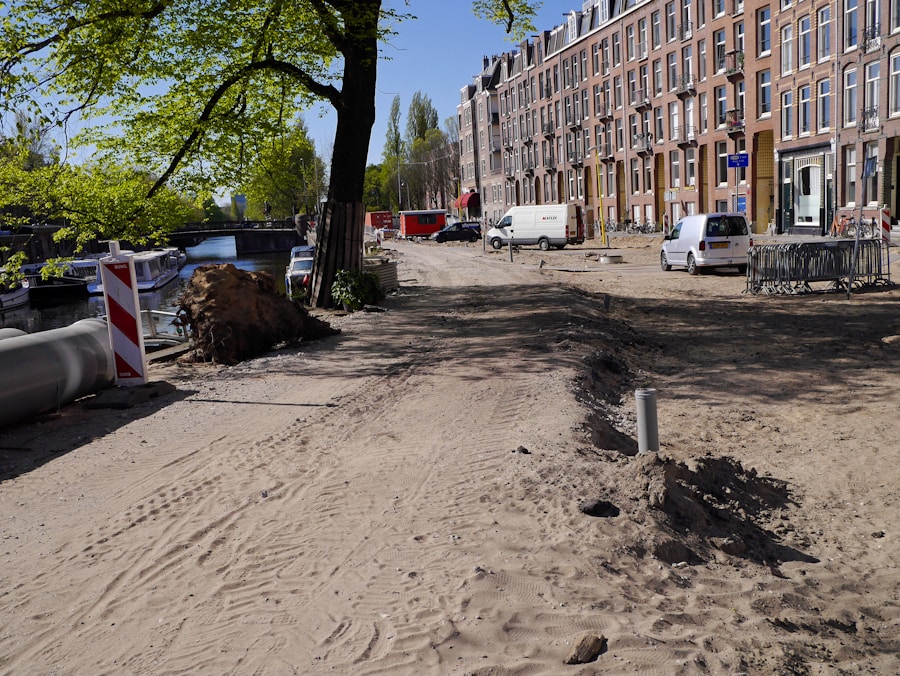
Soil testing is an essential step in the development process for small urban lots, as it provides critical information about the site’s suitability for construction. A comprehensive soil analysis can reveal important factors such as soil composition, pH levels, and the presence of contaminants. For example, urban lots may have been previously used for industrial purposes, leading to soil contamination that must be addressed before construction can proceed.
Identifying these issues early in the process allows developers to plan for remediation efforts and avoid costly delays. In addition to contamination concerns, soil testing can inform decisions about foundation design and landscaping. Different soil types have varying load-bearing capacities, which can influence the type of foundation required for a new structure.
For instance, clay soils may expand and contract with moisture changes, necessitating deeper foundations or specialized engineering solutions. Conversely, sandy soils may provide excellent drainage but require additional stabilization measures to prevent erosion. By understanding the soil conditions on a small urban lot, developers can make informed choices that enhance the longevity and stability of their projects.
Excavation and Grading Considerations
Excavation and grading are critical components of developing small urban lots, as they prepare the site for construction while addressing any topographical challenges. The excavation process involves removing soil and rock to create a level base for foundations and other structures. In densely populated urban areas, this process can be particularly challenging due to limited space for equipment maneuvering and potential impacts on neighboring properties.
Developers must carefully plan excavation activities to minimize disruption while ensuring compliance with local regulations. Grading is equally important in managing water drainage and ensuring proper site access. A well-graded site directs water away from buildings and prevents pooling or flooding during heavy rains.
In urban environments where impervious surfaces are prevalent, effective grading becomes even more critical to mitigate stormwater runoff. Developers may need to incorporate features such as swales or retention basins into their grading plans to manage water effectively. Additionally, careful consideration must be given to how grading will affect existing vegetation and landscaping, as preserving mature trees or green spaces can enhance the overall appeal of a new development.
Utility Coordination and Installation
The coordination and installation of utilities are vital aspects of developing small urban lots. Access to essential services such as water, electricity, gas, and sewage is necessary for any new construction project. However, in densely populated areas, existing utility infrastructure may be outdated or insufficient to support new developments.
Developers must work closely with utility providers to assess current capacity and determine what upgrades or modifications are necessary. This coordination process often involves navigating complex regulatory frameworks and obtaining necessary permits before installation can begin. For example, if a developer plans to install new water lines or upgrade existing sewer systems, they may need to conduct environmental assessments or engage in public consultations with local residents.
Additionally, careful planning is required to minimize disruptions during installation, particularly in areas with high pedestrian traffic or limited access points. By proactively addressing utility coordination challenges, developers can ensure that their projects are equipped with reliable services from day one.
Environmental Compliance and Permitting
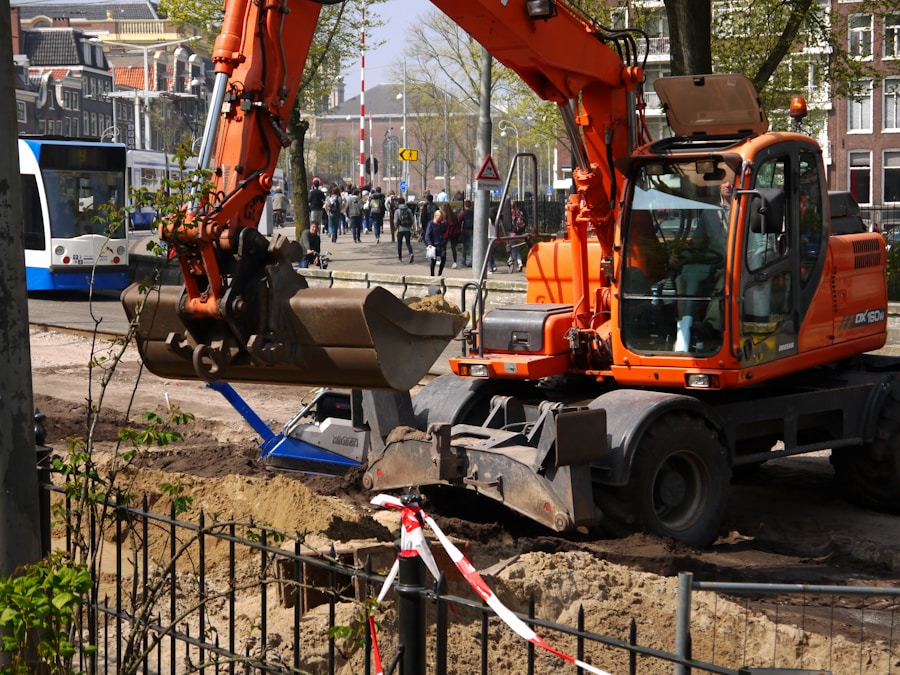
Environmental compliance is a critical consideration in the development of small urban lots, as projects must adhere to local, state, and federal regulations designed to protect natural resources and public health. This often involves conducting environmental impact assessments (EIAs) to evaluate how a proposed development will affect surrounding ecosystems and communities. For instance, if a small lot is located near a wetland or protected habitat, developers may need to implement mitigation measures to minimize harm to these sensitive areas.
Obtaining the necessary permits is another essential step in ensuring compliance with environmental regulations. This process can be time-consuming and complex, requiring developers to submit detailed plans outlining how they will address potential environmental impacts. In some cases, public hearings may be required to gather input from community members concerned about the project’s effects on local resources.
By prioritizing environmental compliance from the outset, developers not only fulfill legal obligations but also demonstrate their commitment to sustainable practices that benefit both the community and the environment.
Managing Construction Waste and Debris
Effective management of construction waste and debris is crucial in urban land development, particularly on small lots where space is at a premium. Construction activities generate significant amounts of waste, including materials such as concrete, wood, metal, and packaging materials. Implementing a waste management plan can help minimize environmental impact while also reducing costs associated with disposal.
Recycling and reusing materials are key strategies in managing construction waste effectively. For example, concrete from demolished structures can often be crushed and repurposed as aggregate for new projects or used in landscaping applications.
By prioritizing recycling efforts during construction, developers not only reduce landfill contributions but also promote sustainability within their projects.
Safety and Risk Management in Urban Land Development
Safety and risk management are paramount considerations in urban land development projects due to the inherent hazards associated with construction activities in densely populated areas. Developers must implement comprehensive safety protocols to protect workers on-site as well as pedestrians and residents in the surrounding community. This includes providing proper training for workers on equipment operation and safety procedures while ensuring that all necessary personal protective equipment (PPE) is available.
In addition to worker safety, risk management involves identifying potential hazards related to the site itself. For instance, small urban lots may have limited access points that complicate emergency response efforts in case of accidents or fires. Developers should work closely with local emergency services to develop contingency plans that address these concerns effectively.
By prioritizing safety throughout the development process, developers not only protect their workforce but also foster positive relationships with the community by demonstrating their commitment to responsible practices. In summary, developing small urban lots presents a myriad of challenges that require careful planning and execution across various stages of the project lifecycle.
If you are interested in learning more about crafting dream homes and step-by-step transformations, check out this article on ESG Builders Ltd. This article provides valuable insights into the process of creating your dream home from start to finish. Additionally, you can explore more informative articles on land development and new build projects on their blog. For those interested in cutting-edge innovations in hardware technology that can enhance your construction projects, be sure to read their article on ESG Builders Ltd.
FAQs
What is land development?
Land development is the process of altering the landscape in order to build new structures or improve existing ones. This can include activities such as site preparation, excavation, and construction.
What is site preparation?
Site preparation involves clearing the land, grading the surface, and making any necessary adjustments to the terrain in order to prepare it for construction. This can include removing trees, rocks, and other obstacles, as well as leveling the ground and ensuring proper drainage.
What is excavation?
Excavation is the process of digging and removing earth in order to create space for foundations, basements, utilities, and other underground structures. This can involve the use of heavy machinery such as excavators, bulldozers, and backhoes.
What are some tips for site prep and excavation on small urban lots?
– Plan carefully to maximize the use of limited space
– Consider the impact on neighboring properties and infrastructure
– Use specialized equipment and techniques to minimize disruption
– Ensure proper safety measures are in place for workers and the public
– Coordinate closely with local authorities and utility providers to avoid conflicts and delays