
Before embarking on any kitchen renovation project, it is crucial to conduct a thorough assessment of your kitchen’s current state. This evaluation serves as the foundation for all subsequent decisions, ensuring that the renovation aligns with your needs and preferences. Begin by examining the layout of your kitchen.
Is it functional? Does it facilitate an efficient workflow between the stove, sink, and refrigerator, often referred to as the kitchen work triangle? If the layout feels cramped or disorganized, it may be time to consider a redesign that optimizes space and enhances usability.
Next, take stock of your existing appliances, cabinetry, and fixtures. Are they outdated or in disrepair? Appliances that are more than a decade old may not only be less energy-efficient but could also detract from the overall aesthetic of your kitchen.
Similarly, inspect your cabinetry for signs of wear and tear. Are the doors and drawers functioning properly? If they are sagging or difficult to open, it might be worth considering new cabinetry or at least a facelift with paint or new hardware.
Additionally, evaluate the condition of your countertops and flooring. Cracked tiles or stained surfaces can significantly impact the kitchen’s appearance and functionality. By identifying these areas that require attention, you can prioritize your renovation efforts effectively.
Key Takeaways
- Assess your kitchen’s current state to identify areas for improvement and prioritize your renovation goals.
- Set a realistic budget by considering the cost of materials, labor, and unexpected expenses.
- Choose the right countertop material that suits your style, budget, and maintenance preferences.
- Hire a professional contractor with experience in kitchen renovations to ensure quality work and timely completion.
- Maximize space and functionality by optimizing storage, layout, and workflow in your kitchen design.
Setting a Realistic Budget
Once you have assessed your kitchen’s current state, the next step is to establish a realistic budget for your renovation project. This process involves more than just determining how much money you can allocate; it requires a comprehensive understanding of the costs associated with various aspects of the renovation. Begin by researching average costs for materials, labor, and appliances in your area.
Websites like HomeAdvisor or Angie’s List can provide valuable insights into typical expenses for kitchen renovations.
Allocate funds for major components such as cabinetry, countertops, appliances, and flooring.
Don’t forget to include costs for plumbing and electrical work if you plan to make significant changes to the layout. It’s also wise to set aside a contingency fund—typically around 10-20% of your total budget—to cover unexpected expenses that may arise during the renovation process. This could include discovering hidden issues behind walls or needing to replace outdated plumbing or electrical systems.
By planning meticulously and allowing for flexibility, you can avoid financial strain and ensure that your renovation stays on track.
Choosing the Right Countertop Material

The choice of countertop material is one of the most significant decisions in a kitchen renovation, as it impacts both aesthetics and functionality. There are numerous options available, each with its unique characteristics, advantages, and disadvantages. For instance, granite is a popular choice due to its durability and natural beauty.
It is heat-resistant and scratch-resistant, making it ideal for a busy kitchen environment. However, granite requires periodic sealing to maintain its appearance and prevent staining. On the other hand, quartz countertops have gained popularity in recent years due to their non-porous nature and low maintenance requirements.
Unlike granite, quartz does not need sealing and is available in a wide range of colors and patterns, allowing homeowners to achieve their desired aesthetic without compromising on practicality. For those seeking a more budget-friendly option, laminate countertops can mimic the look of more expensive materials while being easy to clean and maintain. However, they are less durable than stone options and can be susceptible to scratches and heat damage.
Ultimately, the choice of countertop material should reflect your lifestyle, cooking habits, and design preferences.
Hiring a Professional Contractor
Engaging a professional contractor is a critical step in ensuring the success of your kitchen renovation project. While some homeowners may consider undertaking the renovation themselves to save money, the complexities involved often necessitate the expertise of a skilled professional. A reputable contractor brings valuable experience to the table, helping you navigate challenges such as building codes, permits, and timelines.
When selecting a contractor, it is essential to conduct thorough research. Seek recommendations from friends or family who have recently completed renovations or consult online reviews on platforms like Yelp or Google. Once you have a shortlist of potential candidates, schedule interviews to discuss your project in detail.
A good contractor will not only provide you with a clear estimate but will also communicate openly throughout the process, ensuring that you remain informed and involved in decision-making.
Maximizing Space and Functionality
In many homes, kitchens are often one of the smallest rooms yet serve as a central hub for family activity. Therefore, maximizing space and functionality is paramount in any kitchen renovation. One effective strategy is to consider an open-concept design that integrates the kitchen with adjacent living spaces.
This approach not only creates a sense of spaciousness but also encourages social interaction during meal preparation. In addition to layout changes, incorporating smart storage solutions can significantly enhance functionality. Consider installing pull-out shelves in cabinets or utilizing vertical space with tall cabinets that reach the ceiling.
Drawer organizers can help keep utensils and tools neatly arranged, while corner cabinets can be outfitted with lazy Susans or pull-out racks to make use of otherwise wasted space. Furthermore, integrating multi-functional furniture—such as an island that serves as both a prep area and dining space—can optimize usability while adding style to your kitchen.
Adding Stylish and Functional Features
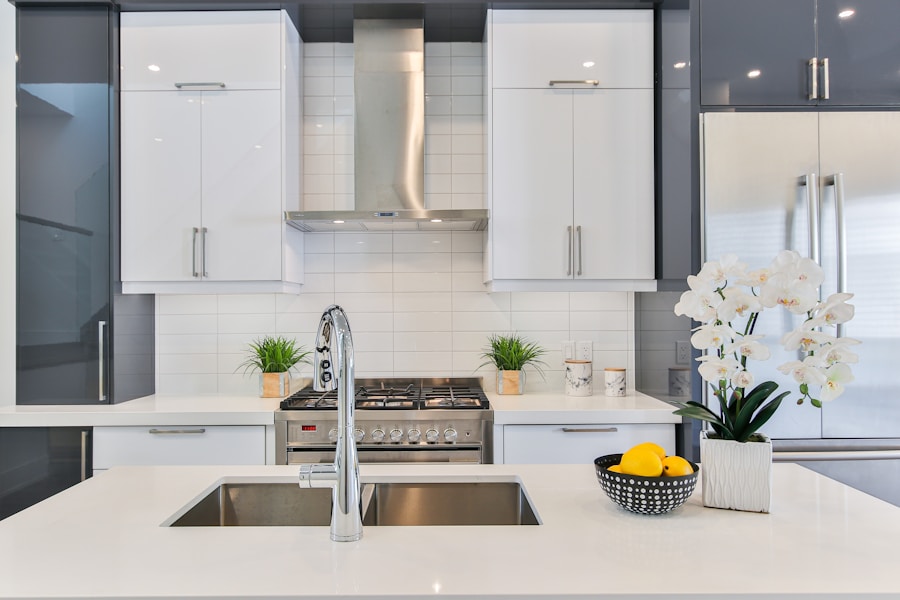
Kitchen Islands: A Workspace and Gathering Area
popular trend is the addition of a kitchen island, which serves as both a workspace and a gathering spot for family and friends. Islands can be customized with built-in appliances like wine coolers or cooktops, making them versatile additions that cater to various cooking styles.
Open Shelving: Accessibility and Personal Touch
only provide easy access to frequently used items but also allow homeowners to showcase decorative dishware or cookbooks, adding personality to the space.
Smart Technology: Convenience and Efficiency
consider integrating smart technology into your kitchen design. Smart appliances can streamline cooking processes and improve energy efficiency while features like touchless faucets enhance convenience during meal prep.
Enhancing Lighting and Color Scheme
Lighting plays a crucial role in setting the mood and functionality of your kitchen. A well-lit kitchen not only makes cooking easier but also creates an inviting atmosphere for gatherings. Consider layering different types of lighting—ambient lighting for overall illumination, task lighting for specific work areas like countertops or islands, and accent lighting to highlight architectural features or decorative elements.
When it comes to color schemes, choosing the right palette can dramatically influence the perception of space within your kitchen. Lighter colors tend to make small spaces feel larger and more open, while darker hues can add depth and sophistication. Neutral tones like whites, grays, or beiges are timeless choices that can easily adapt to changing trends through accessories like rugs or curtains.
For those looking to make a bold statement, consider incorporating vibrant colors through backsplashes or cabinetry accents.
Considering Resale Value and Market Trends
As you plan your kitchen renovation, it’s essential to consider how your choices will impact resale value and align with current market trends. A well-executed kitchen remodel can significantly increase your home’s value; however, it’s important to strike a balance between personal preferences and what potential buyers may find appealing. Researching local real estate trends can provide insights into what features are currently in demand among buyers in your area.
For instance, open-concept layouts are often favored in modern homes, while energy-efficient appliances are increasingly sought after due to rising utility costs and environmental concerns. Additionally, consider timeless design elements that appeal to a broad audience—such as classic white cabinetry or neutral countertops—rather than overly trendy choices that may quickly go out of style. By taking these factors into account during your renovation planning process, you can create a beautiful kitchen that meets your needs while also enhancing your home’s marketability for future buyers.
If you’re considering a countertop replacement in Brooklyn to add value to your kitchen, you may also want to check out this article on smart makeovers and innovative home changes. This article offers tips on how to make impactful improvements to your home without breaking the bank. It’s a great resource for homeowners looking to enhance their living space without over-improving.
FAQs
What is countertop replacement?
Countertop replacement involves removing the existing countertops in a kitchen and installing new ones. This can be done to update the look of the kitchen, improve functionality, or increase the value of the home.
How can countertop replacement add value to a home?
Countertop replacement can add value to a home by modernizing the kitchen, improving the overall aesthetic appeal, and increasing the functionality of the space. Upgraded countertops can also make the kitchen more attractive to potential buyers.
What are some popular countertop materials for replacement?
Popular countertop materials for replacement include granite, quartz, marble, and butcher block. Each material has its own unique characteristics and benefits, so homeowners should consider their budget, style preferences, and maintenance requirements when choosing a material.
How can homeowners avoid over-improving their kitchen with countertop replacement?
To avoid over-improving their kitchen with countertop replacement, homeowners should consider the overall value of their home and the neighborhood. It’s important to choose materials and designs that are in line with the home’s value and the expectations of potential buyers in the area.
What are some cost-effective options for countertop replacement?
Some cost-effective options for countertop replacement include laminate, tile, and concrete. These materials can provide a fresh look for the kitchen without breaking the bank, and they can still add value to the home when installed properly.
Should homeowners hire professionals for countertop replacement?
While some homeowners may have the skills and experience to replace countertops themselves, it’s often best to hire professionals for this type of project. Professional installers can ensure that the countertops are properly measured, cut, and installed, resulting in a high-quality finish.