
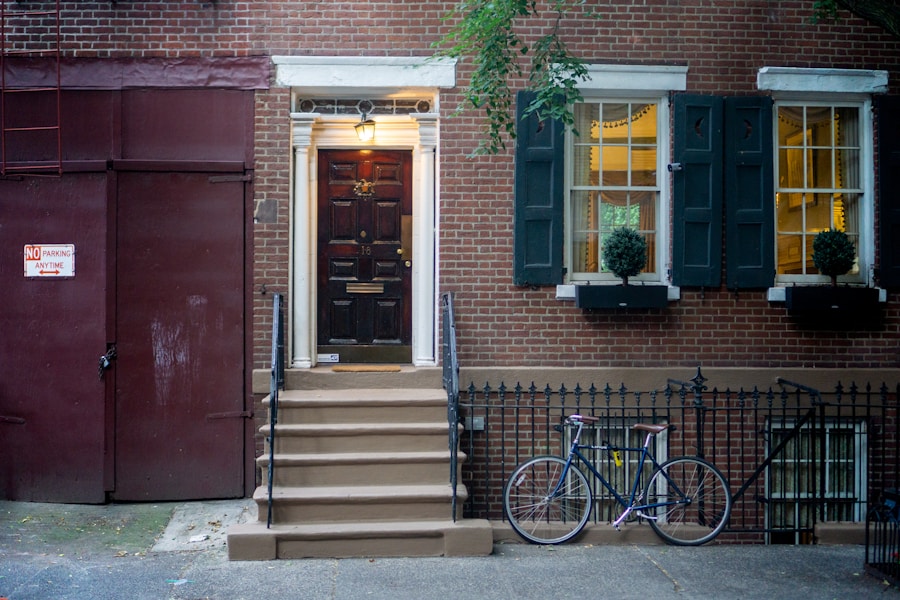
Brooklyn’s architectural landscape is a rich tapestry woven from various historical influences, cultural movements, and urban developments. The quintessential brownstone, with its stoop and ornate facades, epitomizes the borough’s residential charm. These iconic buildings, often constructed in the late 19th century, feature distinctive elements such as brown sandstone or brick exteriors, intricate cornices, and large windows that flood interiors with natural light.
The brownstone’s layout typically includes multiple stories, allowing for a variety of living arrangements, from single-family homes to multi-unit dwellings. This adaptability has made brownstones a beloved choice for families and young professionals alike, contributing to the neighborhood’s vibrant community atmosphere. In contrast to the traditional brownstone, Brooklyn has also embraced industrial lofts that reflect its manufacturing past.
These spaces, often converted from warehouses and factories, boast high ceilings, exposed brick walls, and large windows that create an airy, open feel. The raw aesthetic of industrial lofts appeals to artists and creatives who appreciate the blend of history and modernity. Additionally, contemporary townhouses have emerged as a response to the demand for new construction that harmonizes with Brooklyn’s architectural heritage.
These modern homes often incorporate sleek lines, innovative materials, and energy-efficient designs while still paying homage to the borough’s storied past. Together, these diverse architectural styles create a unique Brooklyn identity that continues to evolve while celebrating its historical roots.
Key Takeaways
- Brooklyn’s style is defined by unique architectural elements such as brownstones, industrial lofts, and modern townhouses.
- Materials should be selected to withstand Brooklyn’s climate challenges, including extreme temperatures, humidity, and precipitation.
- Environmentally conscious materials and building practices align with Brooklyn’s green initiatives and sustainability goals.
- Historical integrity of flipped homes in Brooklyn can be maintained with modern functionality through careful material selection.
- Urban landscape of Brooklyn can be complemented with industrial-inspired finishes and sleek, contemporary designs.
Considering Climate Factors:
Roofing Materials: Durability and Energy Efficiency
Asphalt shingles are a popular choice due to their affordability and effectiveness in shedding water, but metal roofing has gained traction for its longevity and energy efficiency. Metal roofs can reflect sunlight, reducing cooling costs in the summer while providing excellent protection against snow accumulation in winter.
Exterior Siding Materials: Aesthetics and Durability
Wood siding can provide a classic look but may require regular maintenance to prevent rot and warping due to humidity. Fiber cement siding offers a more durable alternative that mimics the appearance of wood while resisting moisture damage and pests.
Windows: Energy Efficiency and Comfort
Furthermore, windows play a critical role in energy efficiency; double or triple-glazed windows can significantly reduce heat loss during winter months while keeping interiors cool in summer. By carefully considering these climate factors, homeowners can select materials that not only enhance the aesthetic appeal of their homes but also ensure long-term performance and comfort.
Sustainable and Eco-Friendly Options:
As Brooklyn embraces a more sustainable future, eco-friendly building materials and practices have become increasingly important. Homeowners are now more conscious of their environmental impact and are seeking materials that align with green initiatives. Reclaimed wood is a prime example of a sustainable choice that adds character to any space while reducing the demand for new lumber.
This material can be sourced from old barns, factories, or even deconstructed homes, providing a unique history and aesthetic to new constructions or renovations. Another eco-friendly option gaining popularity is bamboo flooring. Bamboo is a rapidly renewable resource that grows much faster than traditional hardwoods, making it an environmentally responsible choice.
Additionally, many manufacturers now offer low-VOC (volatile organic compounds) paints and finishes that improve indoor air quality while minimizing harmful emissions. Incorporating these sustainable materials not only supports Brooklyn’s green initiatives but also contributes to healthier living environments for residents. By prioritizing eco-friendly options, homeowners can create beautiful spaces that reflect their values while promoting environmental stewardship.
Incorporating Historical Charm:
Maintaining the historical integrity of flipped homes in Brooklyn requires a thoughtful approach to material selection. Homeowners looking to preserve the charm of their properties should consider using period-appropriate materials that reflect the architectural style of the home. For example, if renovating a Victorian brownstone, opting for original moldings, hardwood floors, and vintage fixtures can help retain the character of the space while providing modern functionality.
In addition to preserving original elements, homeowners can also incorporate modern conveniences without sacrificing historical charm. For instance, installing energy-efficient windows that mimic the appearance of traditional sash windows allows for improved insulation while maintaining the home’s aesthetic integrity. Similarly, using reclaimed bricks or tiles in renovations can provide an authentic look while honoring the building’s history.
By carefully selecting materials that respect the past while accommodating contemporary needs, homeowners can create spaces that are both functional and steeped in history.
Embracing Urban Aesthetics:
Brooklyn’s urban landscape is characterized by its eclectic mix of styles and influences, making it essential for homeowners to choose materials that complement this vibrant environment. Industrial-inspired finishes such as concrete floors, metal accents, and exposed ductwork can create a modern yet gritty aesthetic that resonates with Brooklyn’s artistic spirit. These materials not only enhance the visual appeal of a space but also reflect the borough’s rich industrial heritage.
Incorporating sleek, contemporary designs can further elevate a home’s urban aesthetic. For example, large glass panels or sliding doors can create seamless transitions between indoor and outdoor spaces while maximizing natural light. Additionally, using bold colors or graphic patterns in tile work or cabinetry can add a playful touch that stands out against the backdrop of Brooklyn’s diverse architecture.
By embracing urban aesthetics through thoughtful material selection, homeowners can create spaces that feel both stylish and connected to their surroundings.
Balancing Form and Function:
When selecting materials for Brooklyn homes, it is crucial to strike a balance between form and function. Aesthetically pleasing materials should not compromise durability or practicality; instead, they should enhance the overall living experience. For instance, quartz countertops offer a stunning visual appeal with their wide range of colors and patterns while providing superior durability compared to natural stone options like granite or marble.
This makes quartz an ideal choice for busy kitchens where both style and functionality are paramount. Similarly, flooring choices should consider both aesthetics and wear resistance. While hardwood floors exude warmth and elegance, they may not be suitable for high-traffic areas without proper maintenance.
In contrast, luxury vinyl plank flooring mimics the look of hardwood while offering exceptional durability and water resistance—making it an excellent option for families with children or pets.
Local Sourcing and Artisanal Craftsmanship:
Supporting local artisans and sourcing materials within Brooklyn can significantly enhance the character of a home while contributing to the local economy. Many neighborhoods boast talented craftsmen who specialize in unique finishes such as custom cabinetry, handmade tiles, or bespoke furniture pieces. By choosing locally sourced materials, homeowners not only acquire one-of-a-kind elements but also foster a sense of community connection.
Additionally, local sourcing often reduces transportation emissions associated with shipping materials from distant locations. This aligns with Brooklyn’s sustainability goals while ensuring that homeowners receive high-quality products tailored to their specific needs.
Embracing local craftsmanship not only enriches the aesthetic of a home but also strengthens ties within the borough.
Budget-Friendly Options:
Renovating or building in Brooklyn doesn’t have to break the bank; there are numerous cost-effective materials and strategies available that still deliver on style and quality. For instance, laminate flooring has come a long way in terms of design and durability; it can mimic hardwood or stone at a fraction of the cost while being easy to install and maintain. This makes it an attractive option for homeowners looking to achieve a high-end look without overspending.
Another budget-friendly approach is to focus on strategic renovations rather than complete overhauls. For example, refreshing existing cabinetry with paint or new hardware can dramatically change the look of a kitchen without the expense of full replacement. Similarly, using peel-and-stick wallpaper or decals can add personality to spaces like bathrooms or accent walls without requiring professional installation costs.
By exploring these budget-friendly options and prioritizing smart renovations over extensive remodels, homeowners can achieve their desired Brooklyn style while staying within financial constraints.
If you are interested in learning more about renovating homes in Brooklyn, you may want to check out ESG Builders Ltd’s article on revitalizing your home with key renovation strategies. This article provides valuable insights on how to transform your space while considering important factors such as style and climate. You can read more about it here.
FAQs
What is a gut renovation for flipped homes in Brooklyn?
A gut renovation for flipped homes in Brooklyn involves completely stripping down the interior of a home and rebuilding it from scratch. This process allows for a complete overhaul of the home’s layout, design, and functionality.
What materials are commonly used in gut renovations for flipped homes in Brooklyn?
Common materials used in gut renovations for flipped homes in Brooklyn include reclaimed wood, exposed brick, industrial-style lighting fixtures, and high-quality, durable flooring such as hardwood or engineered wood.
How do you choose materials that fit Brooklyn style and climate for a gut renovation?
When choosing materials for a gut renovation in Brooklyn, it’s important to consider the historical and architectural style of the neighborhood, as well as the climate. Materials should be durable and able to withstand the harsh winters and hot summers, while also complementing the unique aesthetic of Brooklyn’s brownstone and industrial loft-style homes.
What are some popular design trends for gut renovations in Brooklyn?
Popular design trends for gut renovations in Brooklyn include open floor plans, exposed beams and ductwork, modern kitchens with high-end appliances, and luxurious bathrooms with spa-like features. Additionally, incorporating sustainable and eco-friendly materials is becoming increasingly popular in Brooklyn’s renovation projects.
How can I ensure that my gut renovation in Brooklyn meets building codes and regulations?
To ensure that your gut renovation in Brooklyn meets building codes and regulations, it’s important to work with a licensed and experienced contractor who is familiar with local building codes. Additionally, obtaining the necessary permits and inspections from the Department of Buildings is crucial to ensure that your renovation is compliant with all regulations.