
The foundation of any successful home design lies in the selection of high-quality materials. When embarking on a building or renovation project, the choice of materials can significantly influence not only the aesthetic appeal but also the longevity and durability of the structure. For instance, opting for hardwood flooring over laminate can enhance the overall ambiance of a space while providing a robust surface that withstands wear and tear.
Similarly, using natural stone for countertops, such as granite or quartzite, not only elevates the kitchen’s visual appeal but also offers resistance to heat and scratches, making it a practical choice for busy households. Moreover, high-quality materials often come with better warranties and require less maintenance over time. For example, premium-grade roofing materials, such as slate or metal, can last decades longer than standard asphalt shingles, reducing the need for frequent replacements and repairs.
This long-term investment pays off in both financial savings and peace of mind. Additionally, sustainable materials like bamboo or reclaimed wood not only contribute to a home’s aesthetic but also promote environmental responsibility, appealing to eco-conscious homeowners. By prioritizing quality in material selection, homeowners can create spaces that are not only beautiful but also resilient and sustainable.
Key Takeaways
- Choose high-quality materials for durability and longevity
- Incorporate energy-efficient features to reduce utility costs and environmental impact
- Embrace open concept design for a spacious and airy feel
- Add custom built-ins for personalized and efficient storage solutions
- Select timeless finishes for a classic and enduring aesthetic
- Enhance natural light to create a bright and inviting atmosphere
- Incorporate smart home technology for convenience and modernity
- Create functional and stylish storage solutions for a clutter-free and organized space
Incorporating Energy-Efficient Features
Incorporating energy-efficient features into home design is increasingly becoming a priority for modern homeowners. These features not only reduce energy consumption but also contribute to lower utility bills and a smaller carbon footprint. One effective way to enhance energy efficiency is through the installation of high-performance windows.
Double or triple-glazed windows with low-emissivity (Low-E) coatings can significantly minimize heat loss during winter months while keeping interiors cool in summer. This technology allows natural light to enter while blocking harmful UV rays, protecting furnishings from fading. Another critical aspect of energy efficiency is the integration of advanced insulation materials.
Insulating walls, attics, and basements with high R-value materials can drastically reduce heating and cooling costs. For instance, spray foam insulation provides an airtight seal that traditional fiberglass batts cannot achieve, leading to improved energy performance. Additionally, incorporating energy-efficient appliances—such as those certified by ENERGY STAR—can further enhance a home’s efficiency.
These appliances use less electricity and water without sacrificing performance, making them an excellent choice for environmentally conscious homeowners looking to reduce their impact on the planet.
Embracing Open Concept Design

Open concept design has gained immense popularity in recent years, transforming the way spaces are utilized and experienced. This design philosophy emphasizes fluidity and connectivity between different areas of the home, particularly between the kitchen, dining, and living spaces.
For example, an open kitchen with a large island can serve as both a cooking area and a gathering spot for family and friends, fostering a sense of togetherness. Furthermore, open concept layouts can enhance natural light flow throughout the home. With fewer barriers obstructing light from windows, spaces feel brighter and more expansive.
This design approach also allows for greater flexibility in furniture arrangement and decor choices, enabling homeowners to personalize their spaces according to their lifestyle needs. However, it is essential to consider acoustics in open concept designs; incorporating sound-absorbing materials like area rugs or upholstered furniture can help mitigate noise levels, ensuring that the space remains comfortable and functional.
Adding Custom Built-Ins
Custom built-ins are an excellent way to maximize space while adding character and functionality to a home. These tailored solutions can be designed to fit specific dimensions and styles, allowing homeowners to create unique storage options that reflect their personal taste. For instance, built-in bookshelves can transform an empty wall into a stunning focal point while providing ample storage for books and decorative items.
Similarly, custom cabinetry in kitchens or bathrooms can optimize storage space while maintaining a cohesive design aesthetic. In addition to their practical benefits, custom built-ins can enhance the overall value of a home. Potential buyers often appreciate the craftsmanship and attention to detail that comes with bespoke solutions.
A well-designed built-in entertainment center can seamlessly integrate technology while providing storage for media equipment and accessories, creating an organized and visually appealing living area. Furthermore, built-ins can be used creatively in various rooms; for example, a mudroom with built-in benches and cubbies can streamline daily routines by providing designated spaces for shoes, bags, and outdoor gear.
Selecting Timeless Finishes
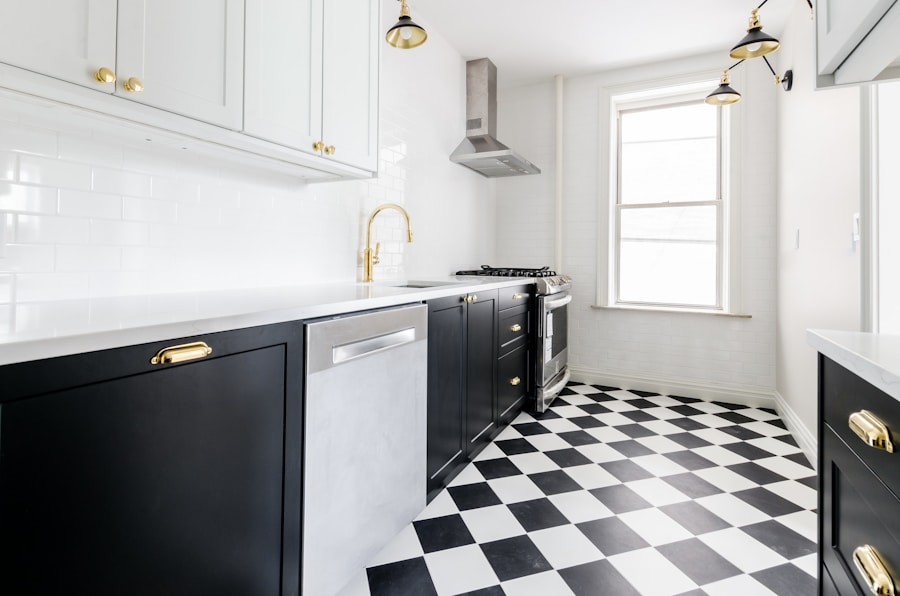
When it comes to home design, selecting timeless finishes is crucial for creating spaces that remain stylish over the years. Trends may come and go, but certain finishes have proven their staying power through various design eras. For example, classic white subway tiles in kitchens and bathrooms offer a clean and versatile look that pairs well with almost any color scheme or decor style.
Their simplicity allows them to blend seamlessly with both modern and traditional designs, ensuring they won’t feel outdated in just a few years. Another timeless finish is hardwood flooring; its natural beauty and durability make it a favorite among homeowners. Whether opting for oak, maple, or walnut, hardwood floors add warmth and elegance to any room while standing up to the rigors of daily life.
Additionally, neutral paint colors such as soft grays or warm beiges provide a versatile backdrop that allows homeowners to easily change decor elements without needing to repaint frequently. By choosing finishes that have stood the test of time, homeowners can create spaces that feel both current and enduring.
Enhancing Natural Light
Strategic Window Placement
To maximize natural light, the placement of windows is crucial. Larger windows or sliding glass doors can open up living areas to outdoor views, allowing sunlight to flood in and making the space feel larger.
Reflecting Natural Light
Skylights are an excellent way to bring light into darker parts of the home, such as hallways or bathrooms. Additionally, using reflective surfaces can amplify natural light within a space. Mirrors strategically placed across from windows can create an illusion of depth while bouncing light around the room.
Enhancing Natural Light with Decor
Light-colored walls and furnishings help reflect sunlight, making spaces feel brighter and more inviting. Sheer window treatments allow for gentle sunlight filtering while maintaining an airy feel throughout the home.
Incorporating Smart Home Technology
The integration of smart home technology has revolutionized how we interact with our living spaces. From automated lighting systems to smart thermostats, these innovations offer convenience and efficiency that enhance daily life. For instance, smart lighting systems allow homeowners to control brightness levels remotely or set schedules for when lights should turn on or off—ideal for enhancing security when away from home or creating the perfect ambiance for entertaining guests.
Moreover, smart thermostats learn user preferences over time and adjust heating and cooling accordingly, leading to significant energy savings.
Additionally, smart security systems equipped with cameras and motion sensors provide peace of mind by allowing homeowners to monitor their property from anywhere via smartphone notifications.
By incorporating these technologies into their homes, individuals not only enjoy enhanced comfort but also contribute to a more sustainable lifestyle.
Creating Functional and Stylish Storage Solutions
In any home design project, creating functional and stylish storage solutions is paramount for maintaining organization while enhancing aesthetics. Clutter can quickly detract from a space’s beauty; therefore, thoughtful storage solutions are essential for keeping homes tidy and visually appealing. Built-in cabinetry in living rooms or bedrooms can provide ample storage while blending seamlessly with existing decor.
For example, a custom-designed entertainment center can house electronics while offering additional shelving for books or decorative items. Additionally, multi-functional furniture pieces serve as excellent storage solutions without compromising style. Ottomans with hidden compartments or coffee tables with drawers can provide extra space for blankets or magazines while maintaining a sleek appearance.
In kitchens, incorporating pull-out shelves or lazy Susans within cabinets maximizes accessibility while minimizing wasted space. By prioritizing both functionality and style in storage solutions, homeowners can create environments that are not only organized but also reflect their personal design sensibilities.
If you’re interested in interior finishing tips that add value to Brooklyn homes, you may also want to check out this article on modern upgrades and the latest home trends. This article discusses innovative home solutions for a modern lifestyle, which can be particularly useful when renovating a compact space like a duplex in Brooklyn. By incorporating clever architectural solutions and staying up-to-date with the latest trends, you can create a stylish and functional living space that adds value to your home.
FAQs
What is a duplex gut renovation?
A duplex gut renovation involves completely stripping down and renovating a duplex apartment or house, including the interior structure, plumbing, electrical work, and finishes.
What are some interior finishing tips that add value to Brooklyn homes?
Some interior finishing tips that add value to Brooklyn homes include using high-quality materials, such as hardwood floors and stone countertops, incorporating energy-efficient fixtures and appliances, maximizing natural light, and creating functional and stylish storage solutions.
How can interior finishing impact the value of a Brooklyn home?
High-quality interior finishing can significantly impact the value of a Brooklyn home by making it more attractive to potential buyers, increasing its market value, and setting it apart from other properties in the area.
What are some popular interior finishing trends in Brooklyn homes?
Some popular interior finishing trends in Brooklyn homes include open floor plans, modern and minimalist design, industrial-inspired elements, and incorporating sustainable and eco-friendly materials.
Why is it important to consider interior finishing during a duplex gut renovation in Brooklyn?
Considering interior finishing during a duplex gut renovation in Brooklyn is important because it can enhance the overall aesthetic appeal, functionality, and market value of the property, making it more desirable to potential buyers or renters.