
Creating a safe and stimulating environment for children is paramount in fostering their growth and development. A well-designed space not only protects children from potential hazards but also encourages exploration and creativity. Safety begins with the selection of materials and furnishings.
For instance, using non-toxic paints, rounded furniture edges, and soft flooring can significantly reduce the risk of injury. Additionally, ensuring that all electrical outlets are covered and that heavy furniture is anchored to the wall can prevent accidents. Parents and caregivers should also consider the layout of the space; open areas allow for free movement, while designated zones for different activities can help children understand boundaries and focus on specific tasks.
Beyond safety, a stimulating environment incorporates elements that engage children’s senses and promote learning. Bright colors, varied textures, and interactive installations can captivate young minds. For example, a wall adorned with chalkboard paint invites creativity, allowing children to express themselves artistically.
Incorporating natural elements, such as plants or windows that provide ample natural light, can enhance mood and cognitive function. Furthermore, including sensory play areas with materials like sand, water, or tactile toys can support fine motor skills and sensory development. By thoughtfully designing a space that prioritizes both safety and stimulation, caregivers can create an environment where children thrive.
Key Takeaways
- Creating a safe and stimulating environment for children is essential for their development and well-being.
- Soundproofing and acoustic treatment are crucial for music studios to ensure optimal sound quality and minimize noise disturbance.
- Designing a functional and creative play area can encourage children to engage in imaginative and active play.
- Incorporating educational and musical elements into the space can enhance children’s learning and creativity.
- Storage solutions for instruments and toys are important for keeping the space organized and clutter-free.
Soundproofing and Acoustic Treatment for Music Studios
When it comes to music studios, soundproofing and acoustic treatment are essential components that can significantly enhance the quality of sound produced within the space. Soundproofing involves creating barriers that prevent sound from escaping or entering the studio, which is crucial for both recording and practicing musicians. Techniques such as adding mass to walls with soundproof drywall or using acoustic panels can effectively reduce sound transmission.
Additionally, sealing gaps around doors and windows with weather stripping or specialized soundproofing seals can further minimize noise leakage.
Acoustic treatment, on the other hand, focuses on improving the sound quality within the studio itself.
This involves managing sound reflections, absorption, and diffusion to create a balanced auditory environment. Strategically placing acoustic panels on walls and ceilings can help absorb excess sound waves, reducing echoes and reverberation that can muddy recordings. Bass traps in corners can address low-frequency buildup, ensuring a clearer sound profile.
Moreover, incorporating diffusers can scatter sound waves evenly throughout the room, enhancing the overall listening experience. By investing in both soundproofing and acoustic treatment, musicians can create a professional-grade studio that not only protects their craft but also elevates their musical output.
Designing a Functional and Creative Play Area
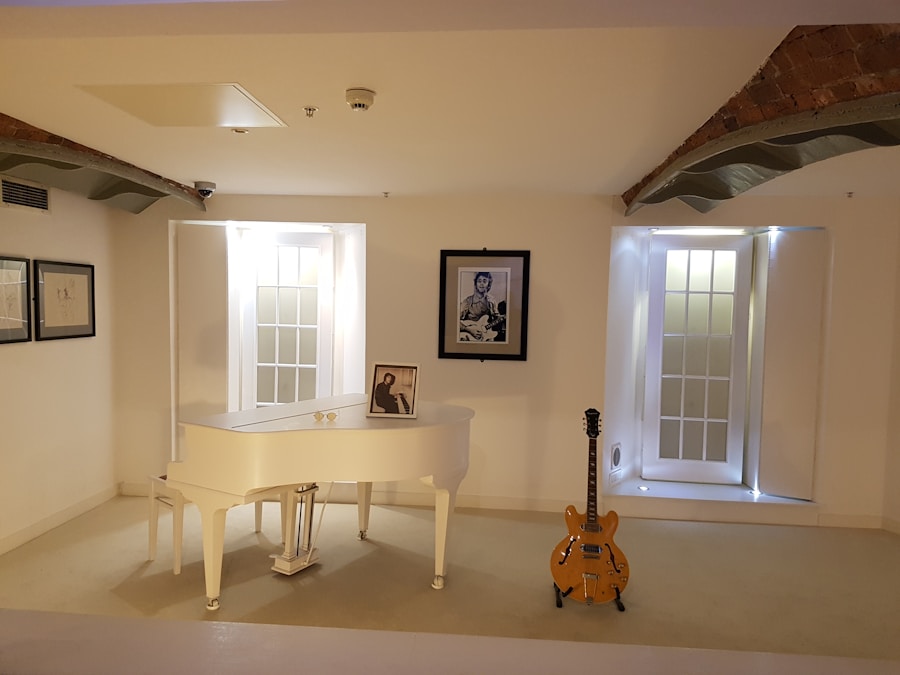
Designing a functional and creative play area requires a thoughtful approach that balances practicality with imaginative elements. The layout should facilitate various types of play—active, quiet, individual, and group activities—while ensuring that children have enough space to move freely. For instance, incorporating modular furniture that can be easily rearranged allows for flexibility in how the space is used.
A combination of open floor space for active play and cozy nooks for reading or quiet time can cater to different moods and preferences. Additionally, including multi-functional furniture, such as storage benches or tables with built-in games, maximizes utility without overcrowding the area. Creativity can be infused into the play area through thematic design elements and interactive features.
For example, a nature-inspired theme could include wall murals of forests or oceans, complemented by natural materials like wood and stone in the furnishings. Incorporating elements like climbing walls or slides can transform an ordinary play area into an adventure zone that encourages physical activity and imaginative play. Art stations equipped with supplies for painting or crafting can inspire creativity and self-expression.
By blending functionality with creative design, a play area can become a vibrant space where children feel empowered to explore their interests and develop new skills.
Incorporating Educational and Musical Elements
Incorporating educational and musical elements into children’s spaces not only enriches their playtime but also supports cognitive development in engaging ways. Educational tools such as interactive wall panels featuring letters, numbers, or shapes can stimulate learning through play. These panels encourage children to explore concepts like counting or spelling while they engage in hands-on activities.
Additionally, incorporating bookshelves filled with diverse literature fosters a love for reading and storytelling, which is crucial for language development. Musical elements can be seamlessly integrated into the environment to create an immersive experience that nurtures a child’s appreciation for music. Installing instruments like xylophones, drums, or keyboards within easy reach allows children to experiment with sound and rhythm freely.
Music-themed decor—such as wall art featuring famous musicians or musical notes—can inspire curiosity about different genres and cultures. Furthermore, creating spaces for group music-making encourages collaboration and social interaction among peers. By thoughtfully blending educational tools with musical opportunities, caregivers can cultivate an environment that promotes holistic development through exploration and creativity.
Storage Solutions for Instruments and Toys
Effective storage solutions are crucial in maintaining an organized environment where children can easily access their instruments and toys while keeping clutter at bay. One practical approach is to utilize multi-functional furniture that serves both as storage and as part of the play experience. For instance, benches with built-in compartments or ottomans that open up for storage can provide ample space for stowing away items while also offering seating options during playtime.
In addition to furniture solutions, incorporating labeled bins or baskets can help children learn organization skills while making it easy for them to find what they need.
Wall-mounted shelves or pegboards are excellent for displaying instruments like guitars or ukuleles while keeping them accessible for impromptu jam sessions.
By implementing creative storage solutions that encourage tidiness without sacrificing accessibility, caregivers can foster a sense of responsibility in children while ensuring that their play area remains inviting.
Safety Considerations for Basement Playrooms

When designing a basement playroom, safety considerations must be at the forefront of planning to ensure a secure environment for children. Basements often present unique challenges such as low ceilings, exposed pipes, or inadequate ventilation that need to be addressed before transforming the space into a play area. First and foremost, ensuring proper ventilation is essential; installing air purifiers or dehumidifiers can help maintain air quality and prevent mold growth in damp environments.
Additionally, flooring choices should prioritize safety; opting for soft carpets or foam tiles can cushion falls while providing comfort during playtime. It’s also vital to check for any potential hazards such as sharp edges on furniture or loose electrical cords that could pose risks to curious little hands. Installing safety gates at stairways leading to the basement can prevent unsupervised access to potentially dangerous areas.
By proactively addressing these safety concerns, caregivers can create a basement playroom that is not only fun but also secure for children to explore.
Lighting and Color Schemes for a Bright and Inviting Space
Lighting plays a crucial role in setting the mood of any space, particularly in areas designed for children’s activities. Natural light is ideal; therefore, maximizing windows or incorporating skylights can create an uplifting atmosphere that promotes well-being and energy levels. However, in basement settings where natural light may be limited, strategic artificial lighting becomes essential.
Layered lighting solutions—combining ambient lighting with task lighting—can ensure that every corner of the room is well-lit without being harsh. Color schemes also significantly impact how children perceive their environment. Bright colors like yellows, blues, and greens can stimulate creativity and joy while softer pastels may create a calming effect conducive to quiet activities like reading or crafting.
Using color psychology principles when selecting paint hues or decor items can enhance the overall ambiance of the play area. For instance, incorporating vibrant accent walls alongside neutral tones can create visual interest without overwhelming young minds. By thoughtfully considering lighting and color schemes, caregivers can design spaces that are not only functional but also inviting and conducive to various activities.
Budget-Friendly Tips for Music Studio Basement Remodeling
Remodeling a basement into a music studio doesn’t have to break the bank; there are numerous budget-friendly strategies that can yield impressive results without compromising quality. One effective approach is to prioritize DIY projects wherever possible; simple tasks like painting walls or installing shelving units can save significant labor costs while allowing for personal touches in design. Additionally, sourcing materials from local thrift stores or online marketplaces can uncover hidden gems at a fraction of retail prices.
Another cost-effective strategy involves repurposing existing furniture or equipment rather than purchasing new items outright. For example, an old bookshelf could be transformed into a display case for instruments with some paint and creativity. Utilizing acoustic treatment materials like foam panels or curtains from discount retailers can also enhance sound quality without incurring high expenses associated with professional-grade products.
By embracing creativity and resourcefulness in the remodeling process, aspiring musicians can create a functional music studio that reflects their style while remaining within budget constraints.
If you are considering transforming your basement into a child-friendly playroom, you may also be interested in reading about ESG Builders Ltd’s portfolio of Waves projects. These projects showcase innovative and creative ways to maximize space in urban areas, making them perfect for families looking to create a fun and functional play area for their children. To learn more about how ESG Builders Ltd can help you with your basement remodeling project, visit their blog here.
FAQs
What are the benefits of remodeling a basement into a child-friendly playroom?
Remodeling a basement into a child-friendly playroom provides a dedicated space for children to play and be creative, while also keeping the rest of the house organized and free from clutter. It can also add value to the home and create a safe environment for children to play in.
What are some important considerations when remodeling a basement into a child-friendly playroom in urban spaces?
When remodeling a basement into a child-friendly playroom in urban spaces, it’s important to consider safety, proper ventilation, natural light, and soundproofing. Additionally, it’s important to choose child-friendly materials and furniture that are durable and easy to clean.
What are some design ideas for a child-friendly basement playroom in urban spaces?
Design ideas for a child-friendly basement playroom in urban spaces may include incorporating bright colors, interactive wall murals, designated play areas for different activities, storage solutions for toys and games, and comfortable seating for both children and adults.
How can a music studio be incorporated into a child-friendly basement playroom?
A music studio can be incorporated into a child-friendly basement playroom by creating a designated area for musical instruments, soundproofing the space to minimize noise, and providing opportunities for children to explore and create music in a safe and supervised environment.
What are some tips for creating a child-friendly basement playroom on a budget?
Tips for creating a child-friendly basement playroom on a budget include repurposing existing furniture and decor, DIY projects, shopping for second-hand items, and prioritizing essential elements such as safety and functionality. It’s also important to plan and budget for the project to avoid overspending.