
In an era where sustainability and energy conservation are at the forefront of global discussions, the kitchen stands out as a critical area for implementing energy-efficient upgrades. The kitchen is often considered the heart of the home, where families gather to prepare meals and share experiences. However, it is also a space that consumes a significant amount of energy, primarily due to appliances, lighting, and heating.
Upgrading to energy-efficient options not only reduces utility bills but also contributes to a more sustainable lifestyle. As homeowners become increasingly aware of their carbon footprints, the demand for energy-efficient kitchen solutions has surged. Energy-efficient kitchen upgrades can take many forms, from modern appliances that use less electricity to innovative lighting solutions that minimize energy consumption.
These upgrades are not merely about reducing costs; they also enhance the overall functionality and aesthetic appeal of the kitchen. By investing in energy-efficient technologies, homeowners can create a space that is both environmentally friendly and economically viable. This article will explore various aspects of energy-efficient kitchen upgrades, including identifying suitable options, examining real-life case studies, and understanding the broader implications for the environment.
Key Takeaways
- Upgrading to energy-efficient appliances and lighting in the kitchen can lead to significant cost savings and environmental benefits.
- When identifying energy-efficient kitchen upgrades, consider replacing old appliances with Energy Star certified models and switching to LED lighting.
- A Brooklyn kitchen renovation success story showcases the positive impact of energy-efficient upgrades on both the environment and the homeowner’s budget.
- The benefits of energy-efficient kitchen upgrades include lower energy bills, reduced carbon footprint, and improved overall kitchen functionality.
- When choosing energy-efficient appliances and lighting, look for products with high energy efficiency ratings and consider the long-term cost savings.
Identifying Energy-Efficient Kitchen Upgrades: Appliances and Lighting
When considering energy-efficient kitchen upgrades, the first step is to evaluate existing appliances and lighting fixtures.
Energy-Efficient Appliances
Traditional kitchen appliances such as refrigerators, ovens, and dishwashers often consume more energy than their modern counterparts. Energy Star-rated appliances are designed to use significantly less energy while maintaining high performance levels. For instance, an Energy Star-certified refrigerator can use up to 15% less energy than a standard model, translating into substantial savings over time. Homeowners should look for appliances that not only meet Energy Star standards but also fit their cooking and storage needs.
Lighting for Energy Efficiency
Lighting is another critical component of an energy-efficient kitchen. Traditional incandescent bulbs are being replaced by LED lighting, which uses up to 80% less energy and lasts significantly longer. LED lights emit less heat, reducing the need for additional cooling in warmer months. Moreover, incorporating natural light through strategically placed windows or skylights can further enhance energy efficiency.
Optimizing Lighting Usage
Dimmers and motion sensors can also be installed to optimize lighting usage based on occupancy and time of day. By combining modern appliances with efficient lighting solutions, homeowners can create a kitchen that is both functional and environmentally responsible.
Case Study: A Brooklyn Kitchen Renovation Success Story

To illustrate the impact of energy-efficient kitchen upgrades, consider the case of a recent renovation in Brooklyn, New York. The homeowners, a young couple passionate about sustainability, decided to overhaul their outdated kitchen while prioritizing energy efficiency. They began by replacing their old refrigerator with an Energy Star-rated model that not only offered more storage space but also reduced energy consumption by nearly 20%.
The couple also opted for an induction cooktop instead of a traditional gas range, which provided faster cooking times and improved safety. In addition to upgrading appliances, the couple focused on lighting improvements. They replaced all incandescent bulbs with LED fixtures and installed under-cabinet lighting to enhance visibility while cooking.
The renovation included large windows that allowed natural light to flood the space during the day, reducing reliance on artificial lighting. The result was a stunning kitchen that not only met their aesthetic desires but also significantly lowered their monthly energy bills. This case study exemplifies how thoughtful upgrades can lead to both functional and financial benefits while promoting a sustainable lifestyle.
The Benefits of Energy-Efficient Kitchen Upgrades
The advantages of energy-efficient kitchen upgrades extend beyond mere cost savings on utility bills. One of the most significant benefits is the reduction in greenhouse gas emissions associated with energy production. By using less electricity or gas, homeowners contribute to a decrease in demand for fossil fuels, which are major contributors to climate change.
This shift towards renewable energy sources is essential for creating a more sustainable future. Moreover, energy-efficient kitchens often enhance the overall comfort and livability of a home. Improved insulation and ventilation systems can lead to better temperature regulation, making the kitchen a more pleasant space for cooking and entertaining.
Additionally, many energy-efficient appliances come equipped with advanced features that improve functionality and convenience. For example, smart refrigerators can monitor food inventory and suggest recipes based on available ingredients, making meal preparation more efficient.
Tips for Choosing Energy-Efficient Appliances and Lighting
Selecting the right energy-efficient appliances and lighting requires careful consideration of several factors. First and foremost, homeowners should look for products that carry the Energy Star label, which indicates compliance with strict efficiency guidelines set by the U.S. Environmental Protection Agency (EPA). This certification ensures that the appliance meets high standards for energy savings without sacrificing performance. In addition to Energy Star ratings, it is essential to assess the size and capacity of appliances to ensure they meet specific household needs without being oversized or underutilized. For instance, a larger refrigerator may seem appealing but could lead to unnecessary energy consumption if it is not filled adequately. Similarly, when choosing lighting fixtures, consider the lumens produced per watt; higher lumens per watt indicate greater efficiency. Another important aspect is to evaluate the long-term costs associated with each appliance or lighting option. While some energy-efficient products may have a higher upfront cost, they often result in significant savings over time due to reduced energy consumption and lower maintenance costs. Homeowners should also consider warranties and customer reviews when making decisions, as these factors can provide insight into product reliability and performance.
Cost-Effective Energy-Efficient Kitchen Upgrades
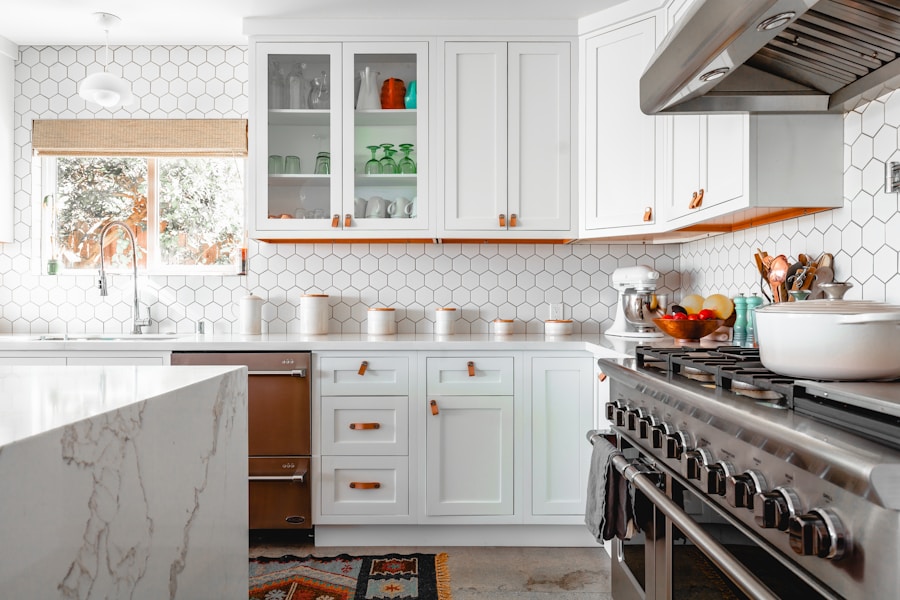
Conserve Water with Low-Flow Fixtures
Simple changes such as installing low-flow faucets or aerators can reduce water usage without compromising performance. These fixtures are relatively inexpensive and can lead to lower water bills while conserving this precious resource.
Improve Insulation for Lower Heating and Cooling Costs
Another cost-effective upgrade involves sealing gaps and cracks around windows and doors to improve insulation. This simple task can prevent drafts and reduce heating and cooling costs significantly. Homeowners can also consider adding thermal curtains or shades to windows to further enhance insulation during extreme weather conditions.
Switch to Energy-Efficient Lighting
In terms of lighting, replacing traditional bulbs with LED options is one of the most straightforward upgrades that can be made at minimal cost. Many local utility companies offer rebates or incentives for homeowners who switch to energy-efficient lighting solutions, making this transition even more affordable. By focusing on these smaller yet impactful changes, homeowners can create an energy-efficient kitchen without breaking the bank.
Environmental Impact of Energy-Efficient Kitchen Upgrades
The environmental implications of adopting energy-efficient kitchen upgrades are profound and far-reaching. By reducing energy consumption in kitchens across the globe, we can collectively decrease reliance on fossil fuels, which are responsible for significant greenhouse gas emissions. According to the U.S. Department of Energy, residential buildings account for approximately 20% of total U.
energy consumption; thus, improving efficiency in kitchens can play a crucial role in mitigating climate change. Moreover, energy-efficient appliances often utilize environmentally friendly refrigerants that have lower global warming potential compared to traditional options. This shift not only reduces emissions during operation but also minimizes harmful effects during disposal or leaks. Additionally, many manufacturers are increasingly adopting sustainable practices in their production processes, further contributing to environmental conservation. The cumulative effect of widespread adoption of energy-efficient technologies can lead to substantial reductions in carbon footprints at both individual and community levels. As more homeowners embrace these upgrades, there is potential for significant shifts in market demand towards sustainable products, encouraging manufacturers to innovate further in this direction.
Creating an Energy-Efficient Kitchen in Brooklyn
Creating an energy-efficient kitchen in Brooklyn—or anywhere else—requires thoughtful planning and consideration of various factors ranging from appliance selection to lighting design. By prioritizing energy efficiency in renovations or new constructions, homeowners can enjoy numerous benefits including reduced utility costs, enhanced comfort, and a positive environmental impact. The journey towards an eco-friendly kitchen begins with small steps; whether it’s replacing old appliances with Energy Star-rated models or switching out incandescent bulbs for LEDs, every action counts.
As demonstrated through real-life case studies like the Brooklyn renovation success story, it is evident that investing in energy-efficient upgrades not only transforms kitchens into modern culinary spaces but also aligns with broader sustainability goals. With increasing awareness about climate change and resource conservation, now is the perfect time for homeowners to take action towards creating kitchens that are not only beautiful but also responsible stewards of our planet’s resources.
If you’re interested in learning more about innovative home solutions for a modern lifestyle, check out this article from ESG Builders Ltd. It provides valuable insights and ideas for upgrading your home to be more energy-efficient and functional. This Brooklyn success story of a kitchen renovation is just one example of the amazing transformations that can be achieved with the right upgrades. ESG Builders Ltd also offers outdoor oasis remodeling ideas for your backyard, as seen in this article. Learn more about their services and approach to home improvement by visiting their website.
FAQs
What are some energy-efficient kitchen upgrades for a Brooklyn kitchen renovation?
Some energy-efficient kitchen upgrades for a Brooklyn kitchen renovation include installing energy-efficient appliances, such as refrigerators, dishwashers, and stoves, using LED lighting, improving insulation, and upgrading to energy-efficient windows and doors.
How can energy-efficient kitchen upgrades benefit a Brooklyn home?
Energy-efficient kitchen upgrades can benefit a Brooklyn home by reducing energy consumption, lowering utility bills, and creating a more sustainable and environmentally friendly living space. Additionally, these upgrades can increase the overall value of the home.
What are some examples of successful energy-efficient kitchen upgrades in Brooklyn?
Successful energy-efficient kitchen upgrades in Brooklyn may include the installation of Energy Star-rated appliances, the use of low-flow faucets and fixtures, the implementation of smart home technology for energy management, and the incorporation of sustainable materials for countertops and cabinetry.
How can homeowners in Brooklyn finance energy-efficient kitchen upgrades?
Homeowners in Brooklyn can finance energy-efficient kitchen upgrades through various options, such as energy-efficient mortgages, home equity loans, personal loans, and government incentive programs. Additionally, some utility companies offer rebates or financing for energy-efficient home improvements.
What are the key considerations for planning an energy-efficient kitchen renovation in Brooklyn?
Key considerations for planning an energy-efficient kitchen renovation in Brooklyn include setting a budget, researching energy-efficient products and materials, hiring a reputable contractor with experience in sustainable design, and obtaining necessary permits and approvals from local authorities.