
Establishing a budget is the cornerstone of any successful kitchen remodel. It serves as a financial blueprint that guides every decision, from selecting materials to hiring contractors. To begin, homeowners should assess their current financial situation, taking into account savings, potential loans, and any other sources of funding.
A well-defined budget not only helps in managing expenses but also prevents overspending, which can lead to stress and dissatisfaction with the project. It is advisable to allocate a specific percentage of the total budget for unexpected costs, typically around 10-20%. This cushion can be invaluable when unforeseen issues arise, such as plumbing problems or structural repairs that were not initially anticipated.
Once a preliminary budget is established, it is essential to prioritize the elements of the remodel. Homeowners should consider what aspects of the kitchen are most important to them—whether it’s upgrading appliances, enhancing aesthetics, or improving functionality. By categorizing expenses into “must-haves” and “nice-to-haves,” individuals can make informed decisions about where to allocate funds.
For instance, if high-quality countertops are a priority, it may be necessary to cut back on other areas, such as cabinetry or decorative finishes. This strategic approach ensures that the remodel aligns with both financial constraints and personal preferences.
Key Takeaways
- Setting a budget is the first step in a kitchen remodel to avoid overspending.
- Researching affordable materials and appliances can help save money without compromising quality.
- Finding budget-friendly contractors and designers can help keep costs down while still achieving a great result.
- Exploring DIY options for kitchen remodeling can be a cost-effective way to update your kitchen.
- Utilizing cost-effective design and layout strategies can make the most of your budget and space.
Researching Affordable Materials and Appliances
The selection of materials and appliances can significantly impact the overall cost of a kitchen remodel. Homeowners should invest time in researching affordable options that do not compromise quality or aesthetics. For instance, laminate countertops can mimic the look of granite or quartz at a fraction of the cost, making them an attractive choice for budget-conscious remodelers.
Similarly, vinyl flooring has evolved in design and durability, offering a stylish yet economical alternative to hardwood or tile. By exploring various materials, homeowners can find solutions that fit their budget while still achieving the desired look and feel. In addition to materials, appliances represent a substantial portion of kitchen remodeling expenses.
It is crucial to compare brands and models to identify energy-efficient options that offer long-term savings on utility bills. Many manufacturers provide discounts during seasonal sales or offer rebates for energy-efficient models. Websites that aggregate appliance reviews and price comparisons can be invaluable resources for finding the best deals.
Furthermore, considering floor models or slightly older versions of appliances can yield significant savings without sacrificing performance or style.
Finding Budget-Friendly Contractors and Designers
Hiring professionals for a kitchen remodel can be one of the largest expenses, but it is possible to find budget-friendly contractors and designers without compromising quality. One effective strategy is to seek recommendations from friends, family, or online community groups. Personal referrals often lead to trustworthy professionals who offer competitive pricing.
Additionally, obtaining multiple quotes from different contractors allows homeowners to compare services and negotiate better rates. It is essential to communicate clearly about the budget constraints upfront, as many contractors are willing to work within specified financial limits. Another avenue for finding affordable design services is to explore local design schools or community colleges.
Many aspiring designers are eager to build their portfolios and may offer their services at reduced rates in exchange for experience. This arrangement can be mutually beneficial; homeowners receive professional guidance while students gain practical experience. Furthermore, online platforms that connect homeowners with freelance designers can provide access to a wider pool of talent at various price points.
Exploring DIY Options for Kitchen Remodeling
Embracing DIY options can significantly reduce labor costs associated with kitchen remodeling. Homeowners with a penchant for creativity and hands-on work can tackle various projects themselves, from painting cabinets to installing backsplash tiles. Simple tasks like replacing hardware on cabinets or updating light fixtures can have a dramatic impact on the overall look of the kitchen without requiring extensive skills or tools.
Online tutorials and instructional videos provide step-by-step guidance, making it easier for novices to take on these projects confidently. However, it is essential to recognize personal limitations when considering DIY options. While some tasks may seem straightforward, others—such as plumbing or electrical work—require professional expertise to ensure safety and compliance with local codes.
Homeowners should assess their skill levels realistically and determine which projects they feel comfortable undertaking. By striking a balance between DIY efforts and professional assistance, individuals can maximize their budget while still achieving a beautifully remodeled kitchen.
Utilizing Cost-Effective Design and Layout Strategies
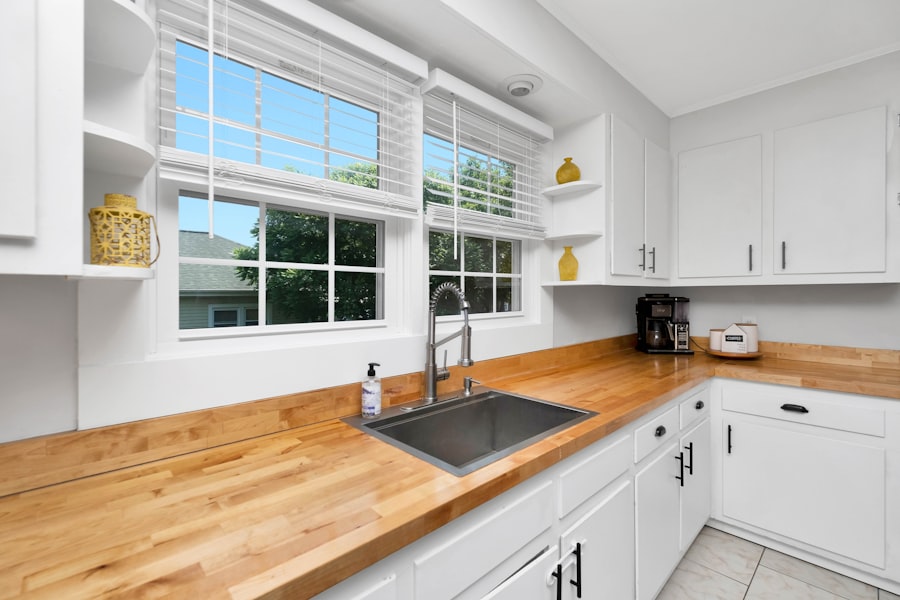
The design and layout of a kitchen play a crucial role in its functionality and aesthetic appeal. Homeowners can employ cost-effective strategies that enhance both aspects without incurring significant expenses. For instance, open shelving can replace upper cabinets, creating an airy feel while providing an opportunity to display decorative items or frequently used dishes.
This approach not only saves money on cabinetry but also allows for personalization in the kitchen’s design. Another effective layout strategy is the concept of the “work triangle,” which optimizes the placement of the sink, stove, and refrigerator for maximum efficiency. By rearranging these key elements within the existing space rather than undertaking extensive renovations, homeowners can improve workflow without incurring high costs associated with structural changes.
Additionally, incorporating multi-functional furniture—such as an island that serves as both a prep area and dining space—can enhance usability while minimizing the need for additional furnishings.
Maximizing Space and Storage in a Small Kitchen

In smaller kitchens, maximizing space and storage is paramount to creating an efficient and functional environment. Homeowners can explore innovative storage solutions that make the most of every inch available. For example, utilizing vertical space by installing tall cabinets or open shelving can draw the eye upward, creating an illusion of height while providing ample storage for kitchen essentials.
Pull-out shelves or lazy Susans within cabinets can also enhance accessibility and organization. Another effective strategy is to incorporate hidden storage solutions, such as toe-kick drawers beneath cabinets or utilizing the space above cabinets for decorative storage or rarely used items. Magnetic strips for knives or spice jars mounted on walls can free up counter space while keeping essential tools within easy reach.
By creatively rethinking storage options, homeowners can transform small kitchens into organized and functional spaces that meet their needs without requiring extensive renovations.
Comparing Prices for Countertops, Cabinets, and Flooring
When it comes to kitchen remodeling, countertops, cabinets, and flooring are often among the most significant investments. Therefore, conducting thorough price comparisons is essential to ensure homeowners get the best value for their money. Various retailers offer different pricing structures based on brand reputation, material quality, and design options.
Online marketplaces allow consumers to compare prices across multiple vendors quickly, making it easier to identify competitive offers. Additionally, visiting local showrooms can provide insights into current trends and pricing while allowing homeowners to physically assess materials before making decisions. Many showrooms also have clearance sections where discontinued items are sold at reduced prices—an excellent opportunity for budget-conscious remodelers to find high-quality products at lower costs.
Engaging with sales representatives can also yield valuable information about upcoming sales or promotions that may not be widely advertised.
Incorporating Energy-Efficient and Eco-Friendly Features
Incorporating energy-efficient and eco-friendly features into a kitchen remodel not only benefits the environment but can also lead to long-term savings on utility bills. Homeowners should consider installing Energy Star-rated appliances that consume less energy while providing optimal performance. These appliances often come with rebates or tax incentives that further offset initial costs.
Moreover, sustainable materials such as bamboo flooring or recycled glass countertops are increasingly available in the market. These options not only reduce environmental impact but also add unique character to the kitchen design. Additionally, implementing water-saving fixtures like low-flow faucets can contribute to conservation efforts while lowering water bills over time.
By prioritizing eco-friendly features during a remodel, homeowners can create a stylish kitchen that aligns with their values while being mindful of their budget.
Considering Refurbished or Secondhand Kitchen Fixtures
Exploring refurbished or secondhand kitchen fixtures presents an opportunity for significant savings without sacrificing quality or style. Many homeowners are unaware of the potential treasures available at thrift stores, salvage yards, or online marketplaces like Craigslist or Facebook Marketplace.
Refurbishing existing fixtures is another viable option that allows homeowners to retain character while updating their kitchens economically. For instance, repainting old cabinets or replacing hardware can breathe new life into dated cabinetry without the expense of complete replacement. Similarly, refinishing hardwood floors instead of installing new ones can preserve the original charm while enhancing durability and aesthetics.
Negotiating with Suppliers and Vendors for Better Deals
Negotiation is an often-overlooked aspect of kitchen remodeling that can lead to substantial savings on materials and services. Homeowners should approach suppliers and vendors with confidence, armed with knowledge about market prices and competitor offerings. Many retailers are willing to negotiate prices or offer discounts on bulk purchases—especially if they believe it will secure a sale.
Building rapport with suppliers can also yield benefits beyond price reductions; establishing a good relationship may result in priority service or access to exclusive deals in the future. Additionally, asking about financing options or payment plans can help manage cash flow during the remodeling process while still allowing for quality materials and services.
Seeking Out Rebates and Financing Options for Kitchen Remodeling
Finally, seeking out rebates and financing options can provide additional financial relief during a kitchen remodel. Many local governments offer incentives for energy-efficient upgrades through rebates or tax credits that can significantly offset costs associated with new appliances or fixtures. Homeowners should research available programs in their area and ensure they meet eligibility requirements before making purchases.
Financing options such as home equity loans or lines of credit may also be viable solutions for those looking to spread out costs over time while undertaking larger renovations. Some retailers offer financing plans with promotional interest rates that allow homeowners to manage payments more effectively without incurring high-interest debt. By exploring these avenues, individuals can make informed financial decisions that support their remodeling goals while remaining within budgetary constraints.
If you are looking for more inspiration on transforming your home into a personal sanctuary, you may want to check out this article on Transforming Houses into Personal Sanctuaries. This article provides valuable insights and tips on creating a space that truly reflects your personality and style. It can be a great resource to complement your search for affordable kitchen remodel options in Brooklyn.
FAQs
What are some affordable kitchen remodel options in Brooklyn?
Some affordable kitchen remodel options in Brooklyn include painting cabinets instead of replacing them, updating hardware and fixtures, installing new countertops, and adding a backsplash.
How can I save money on a kitchen remodel in Brooklyn?
You can save money on a kitchen remodel in Brooklyn by doing some of the work yourself, shopping for materials and appliances during sales, and considering alternative materials for countertops and flooring.
Are there any budget-friendly kitchen remodeling companies in Brooklyn?
Yes, there are budget-friendly kitchen remodeling companies in Brooklyn that offer affordable options for updating your kitchen. It’s important to research and compare quotes from different companies to find the best option for your budget.
What are some cost-effective ways to update my kitchen in Brooklyn?
Some cost-effective ways to update your kitchen in Brooklyn include repainting walls and cabinets, adding new lighting fixtures, and replacing old appliances with energy-efficient models.
Is it possible to remodel a kitchen on a tight budget in Brooklyn?
Yes, it is possible to remodel a kitchen on a tight budget in Brooklyn by prioritizing the most important updates, shopping for deals on materials and appliances, and considering DIY options for some of the work.