
A kitchen gut renovation is a comprehensive overhaul of the kitchen space, often involving the complete removal of existing fixtures, cabinetry, and appliances. This type of renovation goes beyond mere cosmetic updates; it entails a thorough reconfiguration of the kitchen layout, plumbing, electrical systems, and sometimes even structural elements. Homeowners may choose a gut renovation for various reasons, including outdated designs, inefficient layouts, or the desire to modernize the space to better suit their lifestyle.
The scope of such a project can vary significantly based on individual needs and preferences, but it typically includes a complete redesign that maximizes functionality while enhancing aesthetic appeal. In a gut renovation, the process often begins with a detailed assessment of the existing kitchen. This involves evaluating the current layout and identifying any structural limitations that may affect the new design.
Homeowners may work closely with designers and contractors to create a blueprint that reflects their vision while adhering to local building codes. The scope can also extend to integrating smart home technology, energy-efficient appliances, and sustainable materials, which are increasingly popular in modern kitchen designs. Understanding the full scope of a kitchen gut renovation is crucial for homeowners to set realistic expectations regarding timelines, costs, and potential disruptions during the renovation process.
Key Takeaways
- A kitchen gut renovation involves completely tearing out and replacing all the elements of a kitchen, including the walls, floors, cabinets, and appliances.
- The cost of a kitchen gut renovation is influenced by factors such as the size of the kitchen, the quality of materials, and the complexity of the design.
- The average cost of a kitchen gut renovation in Brooklyn is around ,000 to 0,000, but can vary depending on the specific requirements of the project.
- The cost breakdown of a kitchen gut renovation includes labor, materials, and permits, with labor typically accounting for the largest portion of the budget.
- Ways to save money on a kitchen gut renovation include reusing existing appliances, choosing cost-effective materials, and carefully planning the layout to minimize construction costs.
- Hidden costs to consider in a kitchen gut renovation include structural repairs, unexpected plumbing or electrical work, and the cost of temporary living arrangements during the renovation.
- Hiring the right professionals for a kitchen gut renovation is crucial, including architects, contractors, and interior designers with experience in similar projects.
- Financing options for a kitchen gut renovation include personal savings, home equity loans, and renovation mortgages, each with their own advantages and considerations.
Factors that Influence the Cost of a Kitchen Gut Renovation
Several factors play a pivotal role in determining the overall cost of a kitchen gut renovation. One of the most significant influences is the size of the kitchen itself. Larger kitchens typically require more materials and labor, which can substantially increase costs.
Additionally, the complexity of the design can also impact expenses; intricate layouts with custom cabinetry or unique features will generally be more expensive than straightforward designs. Homeowners must consider how their desired layout will affect both the budget and the timeline for completion. Another critical factor is the quality of materials chosen for the renovation.
High-end finishes, such as granite countertops or custom cabinetry, can significantly elevate costs compared to more budget-friendly options like laminate or stock cabinets. Furthermore, the choice of appliances can also influence expenses; opting for energy-efficient or high-tech appliances may come with a higher upfront cost but can lead to savings in energy bills over time. Labor costs are another essential consideration; hiring skilled professionals with experience in kitchen renovations may incur higher fees but can ensure quality workmanship and adherence to safety standards.
Average Cost of a Kitchen Gut Renovation in Brooklyn

In Brooklyn, the average cost of a kitchen gut renovation can vary widely based on several factors, including location within the borough, the size of the kitchen, and the extent of the renovation. As of 2023, homeowners can expect to spend anywhere from $30,000 to $100,000 or more for a complete gut renovation. This range reflects not only the diversity in kitchen sizes but also the varying levels of finishes and materials that homeowners may choose.
For instance, a small kitchen renovation might cost around $30,000 if basic materials are used, while a larger space with high-end finishes could easily exceed $100,000. The neighborhood within Brooklyn also plays a significant role in influencing costs. Areas with higher property values may see increased labor rates and material costs due to demand and competition among contractors.
Additionally, older homes may require more extensive work to bring plumbing and electrical systems up to code, further driving up costs. Homeowners should conduct thorough research and obtain multiple quotes from contractors to gain a clearer understanding of what their specific project might entail financially.
Cost Breakdown: Labor, Materials, and Permits
A comprehensive understanding of the cost breakdown for a kitchen gut renovation is essential for effective budgeting. Labor typically accounts for a significant portion of the total expenses—often ranging from 20% to 35% of the overall budget. This includes not only the general contractor’s fees but also payments for specialized tradespeople such as electricians, plumbers, and carpenters.
The complexity of the project can influence labor costs; for example, if extensive plumbing or electrical work is required, this will necessitate hiring licensed professionals who may charge higher rates. Materials represent another substantial component of renovation costs. The choice between high-end finishes and more economical options can lead to significant variations in material expenses.
For instance, while quartz countertops may cost between $50 to $150 per square foot, laminate options can be found for as little as $10 to $40 per square foot. Cabinets can also vary widely in price; stock cabinets might start at around $100 per linear foot, while custom cabinetry can reach upwards of $1,200 per linear foot depending on design and materials used. Additionally, permits are often required for major renovations and can add anywhere from a few hundred to several thousand dollars to the overall budget depending on local regulations.
Ways to Save Money on a Kitchen Gut Renovation
Homeowners looking to save money on their kitchen gut renovation have several strategies at their disposal. One effective approach is to prioritize essential updates while postponing non-critical enhancements. For example, focusing on replacing outdated appliances and fixtures can significantly improve functionality without necessitating an entire redesign.
Additionally, opting for semi-custom cabinets instead of fully custom options can provide a balance between quality and cost-effectiveness. Another way to cut costs is by sourcing materials from discount retailers or considering alternative materials that mimic high-end finishes at a lower price point. For instance, laminate countertops can provide an attractive look without breaking the bank compared to natural stone options.
Homeowners might also consider taking on some DIY tasks—such as painting or installing backsplash tiles—to reduce labor costs. However, it’s crucial to assess one’s skill level honestly; attempting complex tasks without adequate experience can lead to costly mistakes that negate any initial savings.
Hidden Costs to Consider in a Kitchen Gut Renovation
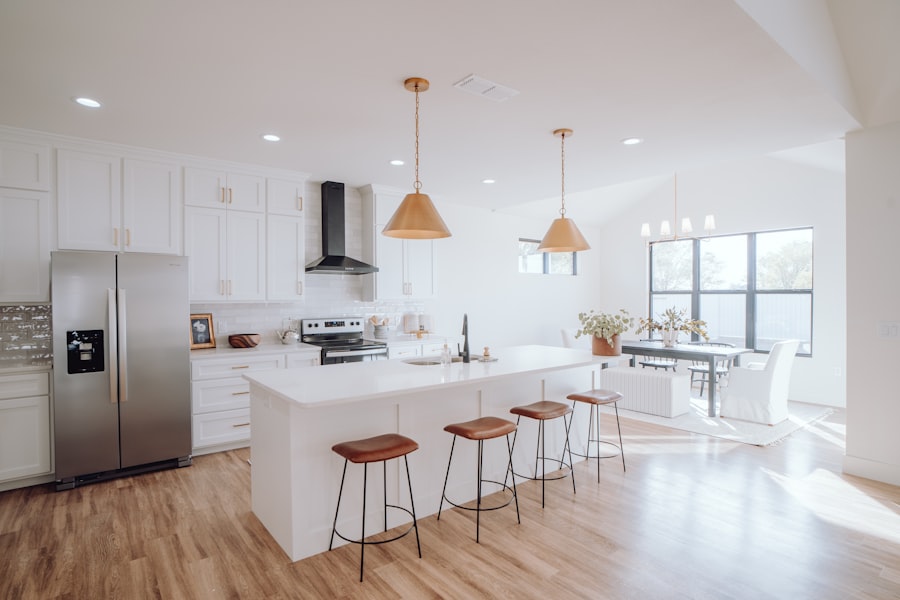
While planning a kitchen gut renovation, homeowners must be aware of potential hidden costs that can arise during the process.
These unexpected repairs can add thousands of dollars to the budget if not accounted for in advance.
Another hidden cost often overlooked is the expense associated with temporary living arrangements during the renovation process. Depending on the extent of the work being done, homeowners may find it necessary to stay elsewhere for several weeks or even months. This could involve renting an apartment or staying with family members, which adds another layer of financial consideration.
Additionally, homeowners should factor in costs related to storage for their belongings during construction; renting a storage unit can quickly add up if renovations take longer than anticipated.
Hiring the Right Professionals for a Kitchen Gut Renovation
Selecting qualified professionals is crucial for ensuring a successful kitchen gut renovation. Homeowners should begin by researching potential contractors and checking their credentials, including licenses and insurance coverage. It’s advisable to seek out professionals who specialize in kitchen renovations rather than general contractors who may not have specific expertise in this area.
Reading reviews and asking for references from previous clients can provide valuable insights into a contractor’s reliability and quality of work. Once potential candidates have been identified, homeowners should conduct interviews to discuss their vision for the project and gauge compatibility with each contractor’s approach. It’s essential to ask about their experience with similar projects and how they handle challenges that may arise during renovations.
Obtaining detailed written estimates from multiple contractors will allow homeowners to compare not only costs but also proposed timelines and scopes of work. This thorough vetting process helps ensure that homeowners hire professionals who align with their goals and budget.
Financing Options for a Kitchen Gut Renovation
Financing a kitchen gut renovation can be daunting for many homeowners; however, various options are available to help manage costs effectively. One common method is through home equity loans or lines of credit (HELOCs), which allow homeowners to borrow against their property’s equity at relatively low-interest rates. This option is particularly appealing for those who have built up significant equity in their homes over time.
Another financing avenue is personal loans specifically designed for home improvement projects. These loans typically offer fixed interest rates and predictable monthly payments but may come with higher interest rates than home equity options. Additionally, some homeowners may consider utilizing credit cards with promotional financing offers; however, this approach requires careful management to avoid high-interest charges once promotional periods end.
Lastly, certain government programs offer grants or low-interest loans aimed at home renovations that improve energy efficiency or accessibility—homeowners should explore these opportunities based on their eligibility criteria. In summary, navigating a kitchen gut renovation involves understanding its scope, budgeting effectively by considering various factors influencing costs, and making informed decisions about hiring professionals and financing options available in Brooklyn’s dynamic real estate market.
If you are considering a kitchen gut renovation in Brooklyn, you may also be interested in reading about how ESG Builders Ltd specializes in transforming houses into personal sanctuaries. Their tailored architectural solutions and attention to detail can help create the perfect space for you and your family. To learn more about their typography and design process, visit here.
FAQs
What is a kitchen gut renovation?
A kitchen gut renovation involves completely removing all existing fixtures, appliances, and finishes in a kitchen and starting from scratch with new materials and layout.
What factors can affect the cost of a kitchen gut renovation in Brooklyn?
The cost of a kitchen gut renovation in Brooklyn can be affected by factors such as the size of the kitchen, the quality of materials and finishes chosen, the complexity of the design, the need for structural changes, and the cost of labor.
What is the average cost of a kitchen gut renovation in Brooklyn?
The average cost of a kitchen gut renovation in Brooklyn can range from $25,000 to $50,000 for a small to medium-sized kitchen, and can go up to $100,000 or more for larger or high-end renovations.
What are some common expenses included in a kitchen gut renovation?
Common expenses included in a kitchen gut renovation can include demolition and disposal of existing materials, new cabinetry, countertops, flooring, appliances, plumbing and electrical work, and labor costs.
Are there any additional costs to consider in a kitchen gut renovation?
Additional costs to consider in a kitchen gut renovation can include permit fees, design fees, the cost of temporary kitchen facilities, and any unexpected structural or plumbing issues that may arise during the renovation process.