
When embarking on a construction project, whether it’s a new home, an addition, or a renovation, understanding the scope is paramount. The scope defines the boundaries of the project, detailing what will be included and what will be excluded. This initial phase involves a thorough assessment of your needs and desires, as well as an evaluation of the site conditions.
For instance, if you are planning to build a new home, you must consider factors such as the size of the lot, zoning regulations, and any environmental concerns that may affect construction. A clear understanding of the project scope helps in setting realistic expectations and serves as a foundation for all subsequent planning and execution. Moreover, defining the scope involves engaging with various stakeholders, including architects, engineers, and possibly even neighbors.
This collaborative approach ensures that all perspectives are considered, which can lead to a more comprehensive plan. For example, if your project includes significant landscaping or outdoor features, consulting with a landscape architect early on can help integrate these elements seamlessly into the overall design. Additionally, documenting the scope in a formal project brief can serve as a reference point throughout the construction process, helping to mitigate misunderstandings and scope creep that can lead to delays and budget overruns.
Key Takeaways
- Understanding the scope of the project is crucial for a successful home construction project.
- Finding the right general contractor is essential for ensuring the project runs smoothly and efficiently.
- Securing permits and approvals is a necessary step to avoid any legal issues during the construction process.
- Designing your dream home requires careful planning and consideration of your needs and preferences.
- Setting a realistic budget is important to avoid overspending and financial strain during the construction process.
- Sourcing quality materials and suppliers is key to ensuring the durability and longevity of your home.
- Managing the construction process involves effective communication and coordination with the contractor and other stakeholders.
- Ensuring quality and safety compliance is essential for the well-being of the occupants and the longevity of the home.
Finding the Right General Contractor
Selecting the right general contractor is one of the most critical decisions you will make during your construction project. A general contractor acts as the project manager, overseeing all aspects of construction from start to finish. The ideal contractor should not only possess the necessary skills and experience but also align with your vision and values.
Begin your search by gathering recommendations from friends, family, or real estate professionals who have had positive experiences with contractors in your area. Online reviews and ratings can also provide valuable insights into a contractor’s reputation.
Ask about their previous projects, their approach to problem-solving, and how they handle challenges that arise during construction. Request references and take the time to contact them; inquire about their experiences regarding communication, timeliness, and quality of work. Additionally, ensure that the contractor is licensed and insured, as this protects you from potential liabilities.
Securing Permits and Approvals
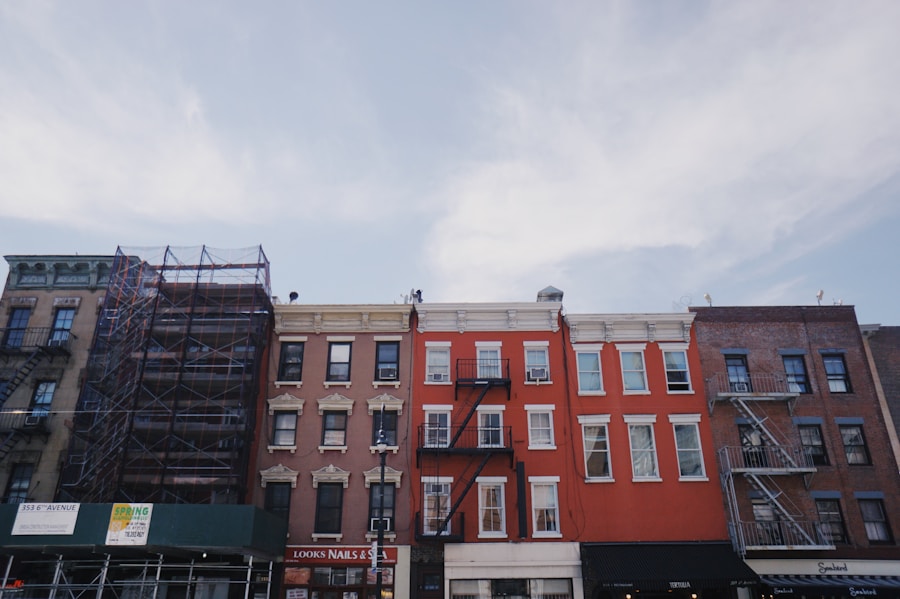
Navigating the maze of permits and approvals is a crucial step in any construction project. Local governments typically require various permits to ensure that building codes and zoning laws are adhered to. The types of permits needed can vary significantly based on the nature of your project; for instance, a simple renovation may require fewer permits than a new home build.
Engaging with your general contractor early in this process can be beneficial, as they often have experience dealing with local authorities and can guide you through the necessary steps. The process of securing permits often involves submitting detailed plans and specifications to your local building department. This documentation must demonstrate compliance with safety standards, zoning regulations, and environmental considerations.
In some cases, public hearings may be required if your project impacts neighboring properties or community resources. Understanding these requirements ahead of time can save you from costly delays. It’s also wise to keep an open line of communication with your contractor throughout this phase; they can help address any concerns raised by officials and ensure that all necessary approvals are obtained before construction begins.
Designing Your Dream Home
Designing your dream home is an exhilarating yet complex process that requires careful thought and planning. This phase typically begins with brainstorming ideas about layout, style, and functionality. Consider how you envision living in the space: Do you need an open-concept kitchen for entertaining?
Are multiple bathrooms essential for your family? Engaging with an architect or designer can help translate your ideas into practical designs that meet both aesthetic desires and functional needs. They can provide insights into current design trends while ensuring that your vision is realized within the constraints of your budget and site conditions.
In addition to aesthetics, it’s crucial to consider sustainability in your design choices. Incorporating energy-efficient systems, sustainable materials, and smart home technology can enhance comfort while reducing long-term operational costs. For example, installing solar panels or high-efficiency HVAC systems can significantly lower energy bills over time.
Furthermore, thoughtful design can maximize natural light and ventilation, contributing to a healthier living environment. Collaborating closely with your design team will ensure that every aspect of your dream home aligns with your lifestyle while adhering to practical considerations.
Setting a Realistic Budget
Establishing a realistic budget is one of the most challenging yet essential aspects of any construction project. A well-defined budget not only helps in managing costs but also sets expectations for what can be achieved within financial constraints. Begin by determining how much you can afford to spend on the entire project, including land acquisition (if applicable), construction costs, permits, furnishings, and landscaping.
It’s advisable to include a contingency fund—typically around 10-20% of the total budget—to account for unexpected expenses that may arise during construction. Once you have a clear budget framework, break down costs into specific categories such as labor, materials, permits, and design fees. This detailed approach allows for better tracking of expenses as the project progresses.
Regularly reviewing your budget against actual expenditures will help identify any discrepancies early on, enabling you to make informed decisions about where to cut costs or reallocate funds if necessary. Additionally, maintaining open communication with your general contractor regarding budget constraints will foster transparency and help prevent misunderstandings that could lead to financial strain.
Sourcing Quality Materials and Suppliers

Research and Identify Reputable Suppliers
Sourcing high-quality materials requires careful consideration and research. Start by identifying reputable suppliers who specialize in the types of materials you need—be it lumber, roofing materials, fixtures, or finishes.
Assessing Quality and Exploring Sustainable Options
Visiting showrooms or supplier warehouses can provide valuable insights into available options while allowing you to assess quality firsthand. In addition to traditional suppliers, consider exploring sustainable or locally sourced materials that may offer unique benefits. For instance, reclaimed wood not only adds character but also reduces environmental impact by repurposing existing resources.
Collaboration with Your General Contractor
Engaging with your general contractor during this phase is crucial; they often have established relationships with suppliers and can negotiate better pricing or ensure timely delivery of materials. Furthermore, staying informed about market trends can help you make educated choices about which materials will provide the best value for your investment.
Managing the Construction Process
Effective management of the construction process is vital for ensuring that your project stays on track regarding timeline and budget. Once construction begins, regular communication between you and your general contractor becomes essential. Establishing a clear schedule with milestones will help keep everyone accountable and allow for timely adjustments if issues arise.
Weekly meetings or progress reports can facilitate this communication, providing opportunities to address concerns or make decisions collaboratively. Monitoring progress on-site is equally important; visiting regularly allows you to see firsthand how work is progressing and ensures that it aligns with your vision. If discrepancies arise—such as changes in design or unexpected delays—address them promptly to avoid compounding issues later in the project timeline.
Additionally, maintaining flexibility is key; construction often involves unforeseen challenges that may require adjustments to plans or timelines. A proactive approach to problem-solving will help keep the project moving forward smoothly.
Ensuring Quality and Safety Compliance
Quality assurance and safety compliance are critical components of any construction project that should never be overlooked. Ensuring that all work meets established standards not only protects your investment but also guarantees the safety of everyone involved in the project—from workers on-site to future occupants of the home. Regular inspections should be conducted at various stages of construction to verify that work adheres to building codes and safety regulations.
Your general contractor should have protocols in place for quality control; this may include hiring specialized subcontractors for specific tasks such as electrical work or plumbing who are licensed and experienced in their fields. Additionally, fostering a culture of safety on-site is essential; this includes providing proper training for workers on safety practices and ensuring that appropriate safety gear is used at all times. By prioritizing quality and safety compliance throughout the construction process, you not only protect yourself legally but also contribute to creating a safe and durable home for years to come.
If you are considering a full home build in Brooklyn, you may also be interested in learning more about kitchen remodeling services offered by ESG Builders Ltd. Their expertise in creating beautiful and functional kitchens can be a valuable asset during the planning stages of your new build project. To explore their portfolio of masonry work and other construction projects, visit ESG Builders Ltd’s portfolio. Contact them directly at https://esgbuildersltd.com/contact-us/ to discuss your upcoming home build in Brooklyn.
FAQs
What is a general contractor?
A general contractor is a professional who oversees the construction of a building project. They are responsible for managing all aspects of the construction process, including hiring subcontractors, obtaining permits, and ensuring that the project is completed on time and within budget.
What is a new build home?
A new build home is a property that is constructed from the ground up, rather than being an existing property that has been renovated or remodeled. New build homes are often built to modern standards and can be customized to the homeowner’s specifications.
What are the steps involved in planning a full home build in Brooklyn?
The steps involved in planning a full home build in Brooklyn typically include finding a suitable plot of land, obtaining necessary permits and approvals, designing the home, hiring a general contractor, and securing financing for the project.
What are some important considerations when planning a full home build in Brooklyn?
Important considerations when planning a full home build in Brooklyn include zoning regulations, building codes, the availability of utilities, and the overall design and layout of the home. It’s also important to consider the cost and timeline for the project.
How can I find a reputable general contractor for a new build home in Brooklyn?
To find a reputable general contractor for a new build home in Brooklyn, it’s important to do thorough research, ask for recommendations from friends and family, and interview multiple contractors to find the best fit for your project. It’s also important to check references and ensure that the contractor is properly licensed and insured.