
Basement apartments, while often seen as affordable living spaces, come with a unique set of challenges, particularly concerning moisture and mold. The very nature of being below ground level makes these spaces susceptible to higher humidity levels and water intrusion. Moisture can seep through walls and floors, especially in areas with poor drainage or high groundwater levels.
This persistent dampness creates an ideal environment for mold spores to thrive, leading to potential health risks for residents. Mold can cause a range of health issues, from respiratory problems to allergic reactions, making it crucial for occupants to understand these risks. Moreover, the presence of mold can lead to structural damage over time.
Mold feeds on organic materials, which are often found in the building materials used in basements, such as wood and drywall. As mold colonies grow, they can weaken these materials, leading to costly repairs and renovations. Additionally, the musty odor associated with mold can permeate the living space, making it uncomfortable and uninviting.
Understanding these risks is the first step in taking proactive measures to ensure a safe and healthy living environment in basement apartments.
Key Takeaways
- Moisture and mold in basement apartments pose health risks and can cause structural damage
- Proper ventilation and air circulation are essential for preventing moisture buildup and mold growth
- Waterproofing and sealing techniques are crucial for keeping basement walls and floors dry
- Choose mold-resistant materials for basement renovation to minimize the risk of mold growth
- Installing a dehumidifier and humidity monitoring system can help maintain optimal moisture levels in the basement
- Regular maintenance and inspections are necessary for preventing moisture and mold issues
- Professional mold remediation services in Brooklyn can effectively address existing mold problems
- Creating a healthy living environment in your basement apartment requires proactive measures to prevent moisture and mold issues
Proper Ventilation and Air Circulation Techniques
Effective ventilation is paramount in combating moisture buildup in basement apartments. Without proper airflow, humidity levels can rise, creating a breeding ground for mold. One of the simplest methods to improve ventilation is by installing vents or windows that can be opened to allow fresh air to circulate.
If natural ventilation is not feasible, mechanical ventilation systems can be employed. These systems actively pull stale air out of the basement while bringing in drier air from outside, significantly reducing humidity levels. In addition to installing vents, utilizing fans can enhance air circulation within the space.
Ceiling fans or portable fans can help distribute air evenly throughout the apartment, preventing stagnant pockets where moisture can accumulate. It’s also beneficial to keep interior doors open to promote airflow between rooms. For those who live in particularly humid climates, using exhaust fans in bathrooms and kitchens can further reduce moisture levels by expelling humid air generated from showers and cooking.
By implementing these ventilation techniques, residents can create a more comfortable living environment while minimizing the risk of mold growth.
Waterproofing and Sealing Techniques for Basement Walls and Floors
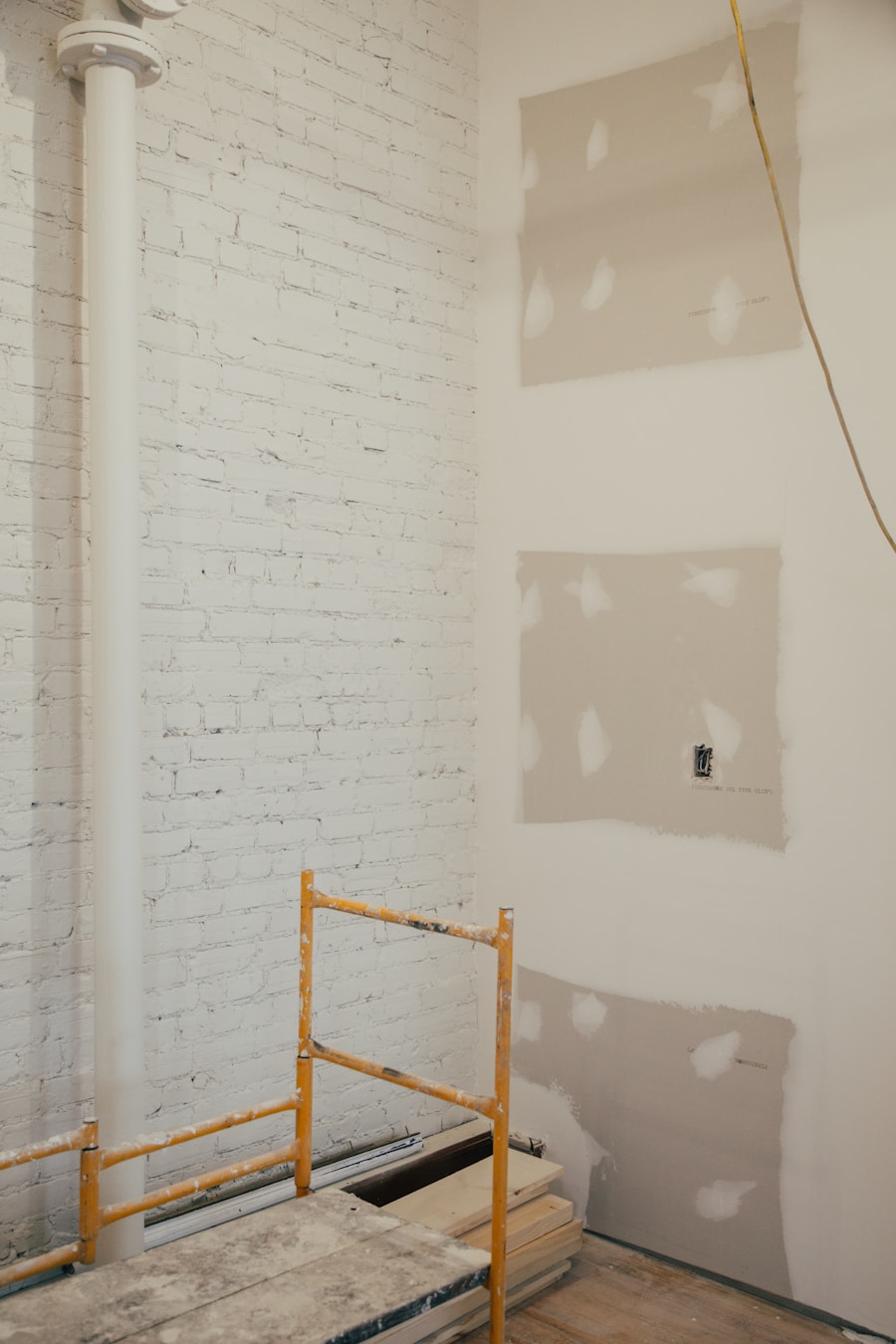
Waterproofing is a critical step in protecting basement apartments from moisture intrusion. One effective method is applying a waterproof sealant to the interior walls and floors. These sealants create a barrier that prevents water from penetrating through porous materials.
It’s essential to choose a high-quality sealant specifically designed for basement use, as these products are formulated to withstand the unique challenges posed by subterranean environments. In addition to sealants, exterior waterproofing techniques should also be considered. This involves excavating around the foundation of the building and applying a waterproof membrane to the exterior walls.
This method not only prevents water from entering the basement but also addresses any drainage issues that may contribute to moisture problems. Installing proper drainage systems, such as French drains or sump pumps, can further enhance waterproofing efforts by directing water away from the foundation. By combining interior and exterior waterproofing techniques, residents can significantly reduce the likelihood of moisture-related issues in their basement apartments.
Choosing Mold-Resistant Materials for Basement Renovation
When renovating a basement apartment, selecting mold-resistant materials is crucial for long-term durability and health safety. Traditional building materials like drywall can be particularly vulnerable to mold growth when exposed to moisture. Instead, opting for mold-resistant drywall or cement board can provide a more resilient alternative.
These materials are specifically designed to resist moisture absorption and inhibit mold growth, making them ideal for basement environments. In addition to drywall, flooring choices should also be carefully considered. Carpeting is often a poor choice for basements due to its tendency to retain moisture and provide a habitat for mold.
Instead, using tile, vinyl, or sealed concrete flooring can help mitigate moisture issues while providing a stylish aesthetic.
By prioritizing mold-resistant materials during renovations, residents can create a safer living space that minimizes the risk of future mold problems.
Installing a Dehumidifier and Humidity Monitoring System
A dehumidifier is an invaluable tool for maintaining optimal humidity levels in basement apartments. These devices work by extracting excess moisture from the air, helping to keep humidity levels below 60%, which is crucial for preventing mold growth.
In conjunction with a dehumidifier, installing a humidity monitoring system can provide real-time data on moisture levels within the apartment. These systems often come equipped with alerts that notify residents when humidity levels rise above recommended thresholds. By regularly monitoring humidity levels, residents can take proactive measures—such as running the dehumidifier more frequently or addressing any leaks—before conditions become conducive to mold growth.
Together, these tools create an effective strategy for managing moisture levels and ensuring a healthier living environment.
Proper Maintenance and Regular Inspections for Moisture and Mold Prevention
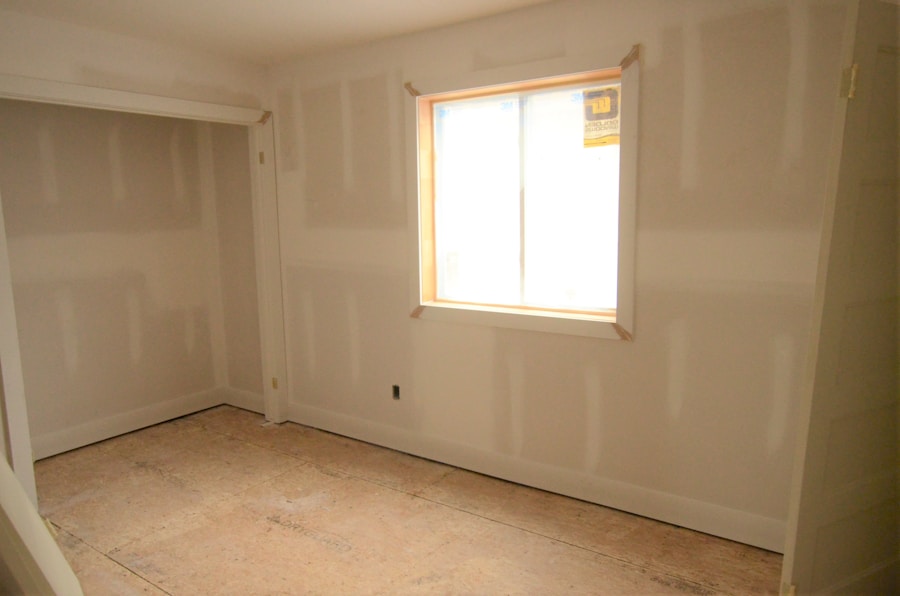
Regular maintenance is essential for preventing moisture buildup and mold growth in basement apartments. This includes routine inspections of areas prone to water intrusion, such as windows, doors, and plumbing fixtures. Homeowners should check for signs of leaks or water stains on walls and ceilings, as these can indicate underlying moisture issues that need immediate attention.
Additionally, gutters and downspouts should be cleaned regularly to ensure proper drainage away from the foundation. Another critical aspect of maintenance involves monitoring appliances that generate moisture, such as washing machines and water heaters. Ensuring that these appliances are functioning correctly and do not have leaks is vital for preventing excess humidity in the basement.
Furthermore, residents should be vigilant about cleaning up spills promptly and ensuring that any damp items—such as towels or clothing—are dried thoroughly before being stored away. By incorporating regular inspections and maintenance into their routine, residents can significantly reduce the risk of moisture-related problems in their basement apartments.
Professional Mold Remediation and Prevention Services in Brooklyn
For those who discover existing mold issues in their basement apartments, seeking professional mold remediation services is often necessary. These experts are trained to identify the extent of mold contamination and implement effective removal strategies while ensuring that spores do not spread throughout the living space during the process. Professional services typically involve thorough cleaning of affected areas, removal of contaminated materials, and application of antimicrobial treatments to prevent future growth.
In Brooklyn, several reputable companies specialize in mold remediation and prevention services tailored specifically for basement environments. These professionals not only address existing mold problems but also provide valuable insights into preventive measures that residents can take moving forward. This may include recommendations on ventilation improvements or moisture control strategies tailored to the specific conditions of the apartment.
Engaging professional services ensures that residents are taking comprehensive steps toward maintaining a safe and healthy living environment.
Creating a Healthy Living Environment in Your Basement Apartment
Creating a healthy living environment in a basement apartment requires a multifaceted approach that combines prevention strategies with lifestyle choices. Beyond implementing technical solutions like dehumidifiers and waterproofing measures, residents should also focus on maintaining cleanliness within their living space. Regular cleaning routines that include dusting surfaces and vacuuming floors help reduce allergens that may contribute to respiratory issues.
Incorporating plants into the living space can also enhance air quality while adding aesthetic appeal. Certain plants are known for their air-purifying properties and can help absorb excess moisture from the air. However, it’s essential to choose plants that thrive in lower light conditions typical of basements.
Additionally, fostering good habits such as avoiding clutter allows for better airflow and reduces potential hiding spots for mold. By combining these strategies—effective ventilation, proper material selection, regular maintenance, and professional assistance when needed—residents can create a healthy living environment that minimizes risks associated with moisture and mold in basement apartments. This holistic approach not only enhances comfort but also contributes significantly to overall well-being in these unique living spaces.
If you are considering renovating your basement apartment in Brooklyn, it is important to prioritize moisture control and mold prevention. ESG Builders Ltd offers a variety of services to help with this, including construction expertise. For more information on how to effectively manage moisture and prevent mold in your basement renovation project, check out their article on Moisture Control and Mold Prevention Tips.
FAQs
What are some common moisture control issues in basement apartments?
Some common moisture control issues in basement apartments include water seepage through walls or floors, condensation on windows and walls, and high humidity levels.
How can I prevent moisture and mold in my basement apartment?
To prevent moisture and mold in your basement apartment, you can use dehumidifiers to control humidity levels, ensure proper ventilation, fix any water leaks or seepage, and use mold-resistant materials for renovation.
What are some tips for controlling humidity in a basement apartment?
Some tips for controlling humidity in a basement apartment include using a dehumidifier, ensuring proper ventilation with exhaust fans or open windows, and using moisture-absorbing materials such as desiccants.
What are some mold prevention tips for basement apartments?
Some mold prevention tips for basement apartments include fixing any water leaks or seepage, using mold-resistant materials for renovation, keeping the apartment well-ventilated, and promptly addressing any signs of mold growth.
How can I improve ventilation in my basement apartment?
To improve ventilation in your basement apartment, you can install exhaust fans in the kitchen and bathroom, open windows when weather permits, and consider using a mechanical ventilation system if necessary.