
Brooklyn brownstones are iconic structures that embody the rich architectural history of New York City. These elegant townhouses, typically built in the late 19th and early 20th centuries, are characterized by their distinctive brown sandstone facades, stoops, and intricate detailing. The charm of these homes lies not only in their aesthetic appeal but also in their storied pasts.
Each brownstone tells a tale of the families who have lived within its walls, contributing to the vibrant tapestry of Brooklyn’s neighborhoods. The warm hues of the stone, combined with the ornate moldings and decorative cornices, create a sense of timelessness that continues to attract homeowners and admirers alike. Beyond their physical beauty, brownstones are often situated in neighborhoods that boast a unique blend of culture, history, and community.
Areas like Park Slope, Fort Greene, and Bedford-Stuyvesant are known for their tree-lined streets, local shops, and a strong sense of community. Living in a brownstone means being part of a larger narrative—one that includes artists, musicians, and families who have all contributed to the evolving identity of Brooklyn. The charm of these homes is further enhanced by their proximity to parks, schools, and public transportation, making them not just beautiful residences but also practical choices for modern living.
Key Takeaways
- Brooklyn brownstones have a unique charm and historic character that attracts homeowners
- Renovating a historic home comes with its own set of challenges, including navigating preservation regulations
- Finding the right contractors and design team is crucial for a successful renovation project
- Balancing modern amenities with historic character is a key consideration during the renovation process
- Gut renovations of Brooklyn brownstones require a significant financial and time commitment
The Challenges of Renovating a Historic Home
Renovating a historic home like a Brooklyn brownstone presents a unique set of challenges that can test even the most seasoned homeowners. One of the primary hurdles is preserving the original architectural features while updating the home to meet contemporary standards. Many brownstones feature intricate woodwork, original fireplaces, and vintage fixtures that are not only aesthetically pleasing but also historically significant.
Homeowners must navigate the delicate balance between maintaining these elements and making necessary updates for safety and comfort. This often requires extensive research into the home’s history and architectural style to ensure that any renovations are in keeping with its original character. Another significant challenge is dealing with the structural issues that often accompany older homes.
Over time, brownstones may experience settling, water damage, or outdated electrical and plumbing systems. Homeowners may uncover problems that were hidden beneath layers of paint or wallpaper, leading to unexpected costs and delays. For instance, a seemingly minor issue like a leaky roof can reveal more extensive damage to the underlying structure, necessitating a more comprehensive renovation than initially planned.
This unpredictability can be daunting for homeowners who may have budgeted for a specific scope of work but find themselves facing a much larger project.
Finding the Right Contractors and Design Team
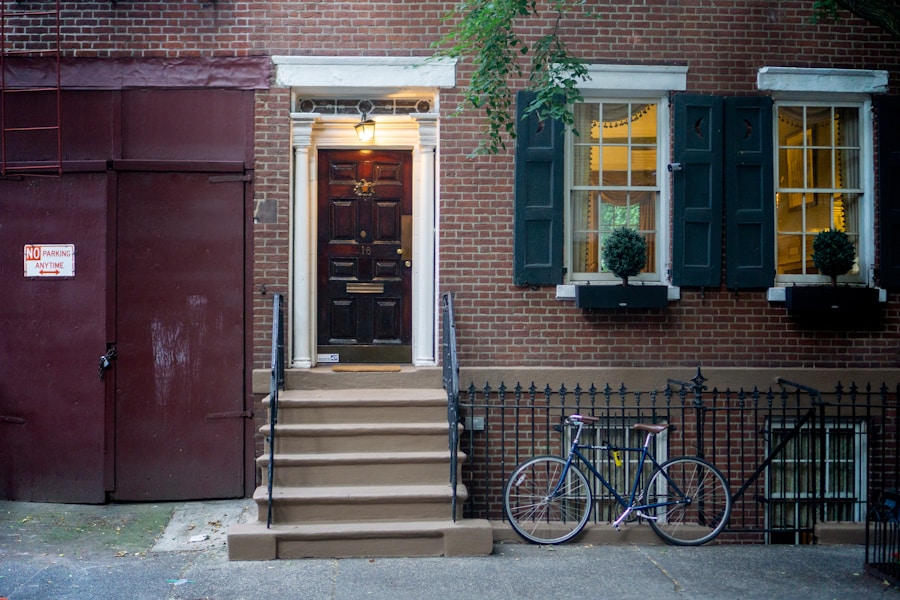
Selecting the right contractors and design team is crucial for a successful renovation of a Brooklyn brownstone. Given the unique challenges associated with historic homes, it is essential to work with professionals who have experience in this niche area. Homeowners should seek out contractors who specialize in historic renovations and understand the intricacies involved in preserving architectural details while implementing modern upgrades.
This expertise can make a significant difference in the quality of work and the overall outcome of the project. In addition to contractors, assembling a design team that shares a vision for the home is equally important. Interior designers who have experience with historic properties can help homeowners navigate the delicate balance between modern aesthetics and traditional charm.
They can provide valuable insights into materials and finishes that complement the home’s original features while ensuring that the space meets contemporary needs. For example, a designer might suggest using reclaimed wood for flooring to maintain an authentic look while providing durability. Collaborating with professionals who appreciate the historical significance of brownstones can lead to innovative solutions that enhance both functionality and beauty.
Navigating Historic Preservation Regulations
Renovating a historic brownstone often involves navigating a complex web of preservation regulations designed to protect the architectural integrity of these homes. In Brooklyn, many neighborhoods are designated as historic districts, which means that any exterior changes must be approved by the Landmarks Preservation Commission (LPC). This process can be time-consuming and requires homeowners to submit detailed plans outlining proposed changes.
Understanding these regulations is essential for avoiding costly fines or delays in the renovation process. Homeowners must also be aware of what constitutes “appropriate” renovations within these guidelines. For instance, while it may be tempting to replace original windows with modern energy-efficient models, doing so could violate preservation rules if it alters the building’s appearance.
Instead, homeowners might need to explore options such as restoring existing windows or using historically accurate replicas that meet energy standards without compromising aesthetics. Engaging with preservationists or consultants familiar with local regulations can help homeowners navigate this landscape more effectively and ensure compliance throughout the renovation process.
Balancing Modern Amenities with Historic Character
One of the most rewarding aspects of renovating a Brooklyn brownstone is finding ways to incorporate modern amenities while preserving its historic character. Homeowners often desire open floor plans, updated kitchens, and luxurious bathrooms—features that may not have been part of the original design.
For example, removing non-load-bearing walls can create an open-concept living space while still allowing for the preservation of original moldings and architectural details. Incorporating modern technology into a historic home also presents unique challenges. Homeowners may wish to install smart home systems or energy-efficient appliances but must do so in a way that does not detract from the home’s character.
This might involve discreetly integrating wiring or using appliances that blend seamlessly with traditional cabinetry. By carefully considering how modern elements can coexist with historic features, homeowners can create spaces that are both functional and reflective of their unique style.
Uncovering Hidden Treasures during the Renovation
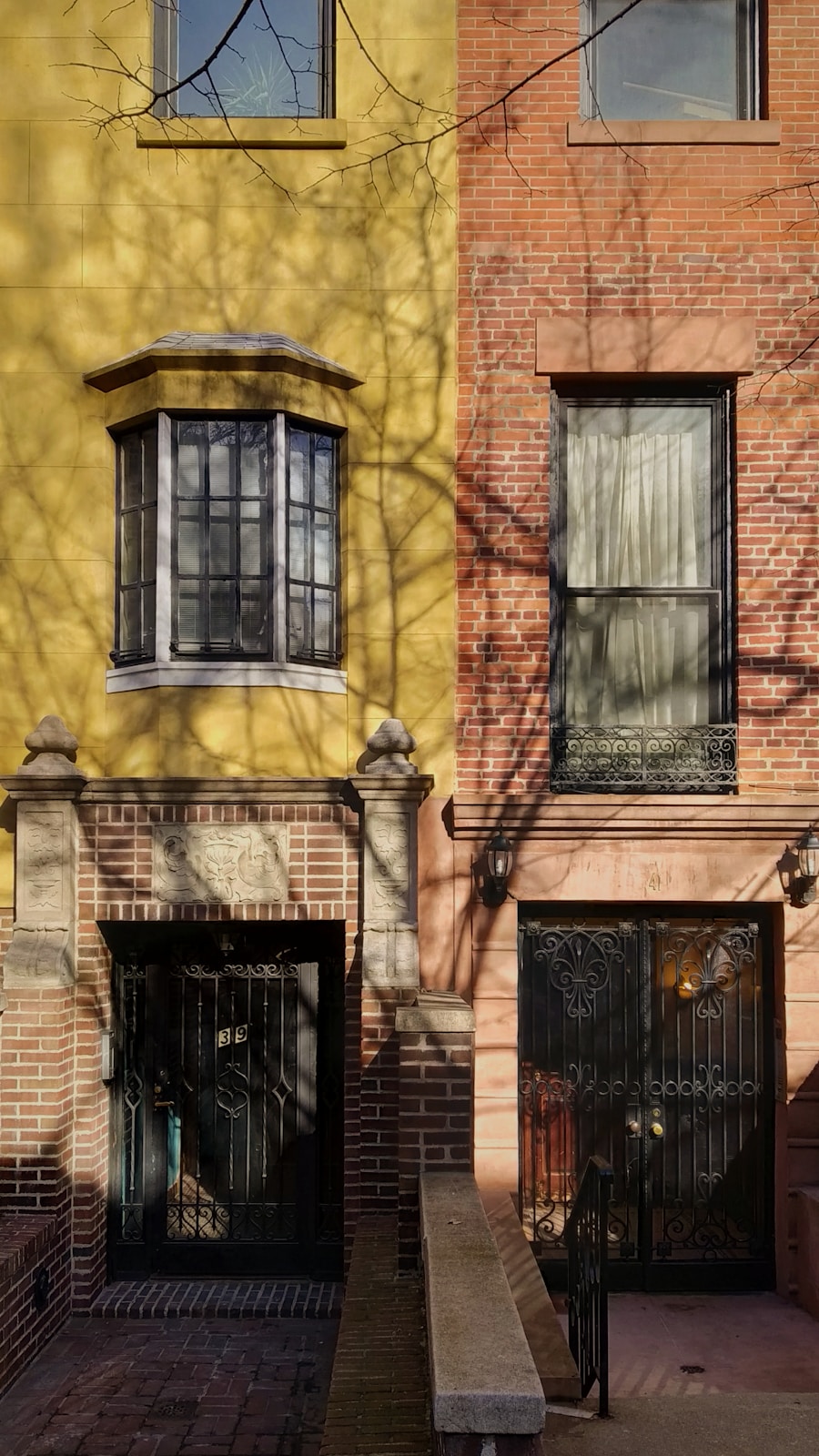
Uncovering Hidden Gems
Such finds can be both exciting and inspiring, prompting homeowners to rethink their renovation plans in light of these newfound treasures. For instance, uncovering an original fireplace mantel might lead homeowners to restore it as a focal point in the living room rather than replacing it with a modern alternative.
Inspiring Design Elements
Similarly, discovering unique architectural details like crown moldings or wainscoting can inspire homeowners to incorporate complementary design elements throughout the space. These hidden gems not only enhance the aesthetic appeal of the home but also serve as tangible connections to its history.
Enriching the Home’s Narrative
By embracing these hidden treasures, homeowners can enrich the overall narrative of the property, creating a unique and captivating story that sets their home apart.
The Financial and Time Commitment of a Gut Renovation
A gut renovation of a Brooklyn brownstone is not only an emotional investment but also a significant financial commitment. Homeowners must be prepared for unexpected costs that can arise during the renovation process. From structural repairs to compliance with preservation regulations, expenses can quickly add up.
It is essential for homeowners to establish a realistic budget that accounts for both anticipated costs and potential contingencies. Time is another critical factor in gut renovations. Unlike cosmetic updates that may take weeks or months, comprehensive renovations can extend over several months or even years, depending on the scope of work involved.
Homeowners should be prepared for disruptions to their daily lives during this period, as living in a construction zone can be challenging. Clear communication with contractors about timelines and expectations is vital for managing this aspect of the renovation process effectively.
Enjoying the Finished Product: Living in a Renovated Brooklyn Brownstone
Once the dust settles and renovations are complete, homeowners can finally enjoy the fruits of their labor in their beautifully restored Brooklyn brownstone. The satisfaction derived from living in a space that reflects both personal style and historical significance is unparalleled. Each room becomes a testament to the hard work put into preserving its character while enhancing functionality for modern living.
Living in a renovated brownstone also means being part of a community steeped in history and culture.
The charm of these homes extends beyond their walls; it encompasses the vibrant neighborhoods they inhabit, filled with local shops, parks, and cultural institutions that contribute to an enriched lifestyle.
In conclusion, renovating a Brooklyn brownstone is an endeavor filled with challenges and rewards alike. From navigating preservation regulations to uncovering hidden treasures within its walls, each step contributes to creating a home that honors its past while embracing modern living. The journey culminates in a space that not only serves as a residence but also as a cherished part of Brooklyn’s architectural legacy.
If you are interested in learning more about efficient strategies to maximize your space during a home renovation project, check out this article on Efficient Strategies to Maximize Your Space. This article provides valuable tips and tricks for making the most out of your living space, which can be especially helpful when renovating a historic home like a Brooklyn brownstone.
FAQs
What is a historic home gut renovation?
A historic home gut renovation involves completely stripping the interior of a historic home down to its structural elements and rebuilding it from scratch, while preserving the original exterior and historical features.
What is a Brooklyn brownstone?
A Brooklyn brownstone is a type of townhouse built in the 19th century, typically made of brownstone and characterized by its distinctive architectural style, including stoops, ornate facades, and high ceilings.
What is it like to renovate a Brooklyn brownstone?
Renovating a Brooklyn brownstone can be a complex and challenging process due to the historical significance of the homes and the need to comply with preservation regulations. It often involves working with specialized contractors and architects to preserve the original character while updating the interior for modern living.
What are some common challenges in renovating a historic home in Brooklyn?
Common challenges in renovating a historic home in Brooklyn include navigating strict preservation regulations, dealing with aging infrastructure, preserving historical features, and working within the constraints of the original layout and design.
How long does a historic home gut renovation in Brooklyn typically take?
The timeline for a historic home gut renovation in Brooklyn can vary depending on the scope of the project, but it often takes several months to a year or more to complete, due to the complexity of the work and the need to comply with preservation regulations.
What are some tips for renovating a historic home in Brooklyn?
Some tips for renovating a historic home in Brooklyn include working with experienced professionals who understand the unique challenges of historic preservation, conducting thorough research on the home’s history and architectural style, and being prepared for unexpected surprises during the renovation process.