
A gut renovation is a comprehensive remodeling process that involves stripping a property down to its essential structural elements. This type of renovation is often undertaken when a building has significant wear and tear, outdated systems, or when the owner desires a complete transformation of the space. Unlike cosmetic updates, which may involve painting walls or replacing fixtures, a gut renovation typically includes extensive work such as removing walls, replacing plumbing and electrical systems, and sometimes even altering the layout of the space.
This level of renovation allows homeowners to reimagine their living spaces entirely, creating a home that meets modern standards of comfort and efficiency. The scope of a gut renovation can vary widely depending on the age and condition of the property, as well as the homeowner’s vision. For instance, an older home may require not only aesthetic updates but also structural reinforcements to meet current building codes.
In contrast, a newer property might only need superficial changes to achieve the desired look. Homeowners must carefully assess their goals and the existing conditions of their property to determine the extent of the renovation. This assessment often involves consulting with architects or designers who can provide insights into what is feasible within the existing framework of the building.
Key Takeaways
- Gut renovation involves completely stripping a space down to its bare structure and rebuilding it from scratch, allowing for a complete redesign and modernization of the space.
- Factors affecting the cost of a gut renovation include the size of the space, the extent of the renovation, the quality of materials and finishes, and the location of the property.
- The average cost of a gut renovation can range from 0 to 0 per square foot, but can vary significantly based on the factors affecting the cost.
- When budgeting for a gut renovation, it’s important to factor in unexpected costs, such as structural issues or permit fees, and to set aside a contingency fund of 10-20% of the total budget.
- Tips for saving money on a gut renovation include prioritizing the most important elements, reusing existing materials where possible, and shopping around for the best deals on materials and labor.
Factors Affecting the Cost of a Gut Renovation
Size of the Space
The size of the space being renovated is one of the most significant factors affecting the overall cost. Larger homes or those with multiple levels will naturally incur higher costs due to increased labor and material requirements.
Complexity of the Renovation
The complexity of the renovation also plays a crucial role in determining the cost. For example, if structural changes are necessary, such as removing load-bearing walls or adding new support beams, costs can escalate quickly.
Material and Labor Costs
The quality of materials chosen for the renovation and labor costs can also significantly impact the budget. Homeowners have a wide range of options when it comes to flooring, cabinetry, countertops, and fixtures, each with varying price points. High-end materials may offer aesthetic appeal and durability but can significantly increase the budget. Conversely, opting for more affordable materials can help keep costs down but may require compromises in terms of longevity or style. Labor costs can vary based on geographic location and the expertise required for specific tasks. In urban areas, where demand for skilled labor is high, homeowners may find themselves paying a premium for contractors.
Average Costs of Gut Renovations
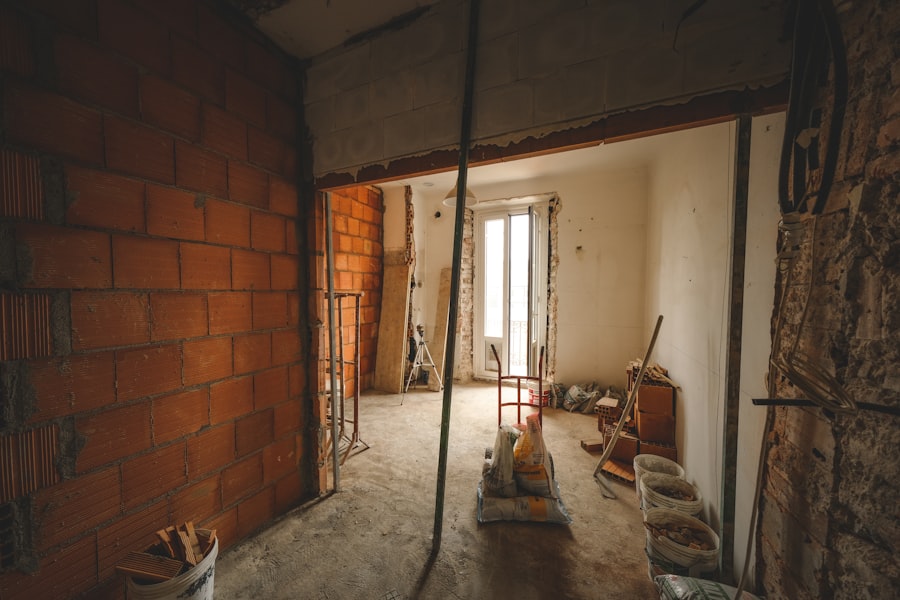
The average cost of a gut renovation can vary dramatically based on several factors, including location, size, and scope of work. On average, homeowners can expect to spend anywhere from $100 to $300 per square foot for a complete gut renovation. This range reflects basic renovations that include essential updates such as new flooring, kitchen and bathroom remodels, and updated electrical and plumbing systems.
However, more extensive renovations that involve structural changes or high-end finishes can push costs well beyond this average. For example, in metropolitan areas like New York City or San Francisco, where real estate prices are high and labor costs are elevated, homeowners might find themselves spending upwards of $400 per square foot for a gut renovation. In contrast, in smaller towns or rural areas, costs may be significantly lower, sometimes falling below $100 per square foot.
It’s important for homeowners to conduct thorough research and obtain multiple quotes from contractors to gain a clearer understanding of what their specific project might entail financially.
Budgeting for a Gut Renovation
Creating a budget for a gut renovation requires careful planning and consideration of all potential expenses. Homeowners should begin by establishing a clear vision for their project and identifying must-have features versus nice-to-have elements. This prioritization will help in allocating funds effectively across different aspects of the renovation.
It’s also wise to include a contingency fund—typically around 10% to 20% of the total budget—to account for unexpected expenses that may arise during construction. In addition to direct costs associated with materials and labor, homeowners should also consider indirect expenses that can impact their overall budget. These may include permits and inspections required by local authorities, which can vary significantly depending on the scope of work and location.
Additionally, if the renovation requires temporary relocation during construction, costs associated with alternative housing should be factored into the budget. By taking a comprehensive approach to budgeting, homeowners can minimize financial surprises and ensure that their gut renovation stays on track.
Tips for Saving Money on a Gut Renovation
While gut renovations can be costly endeavors, there are several strategies homeowners can employ to save money without sacrificing quality or design integrity. One effective approach is to prioritize DIY projects where feasible. For instance, homeowners might consider tackling tasks such as painting walls or installing flooring themselves.
This not only reduces labor costs but also allows homeowners to personalize their space in ways that reflect their style. Another way to save money is by sourcing materials from discount suppliers or considering reclaimed materials that offer character at a lower price point. Salvaged wood beams or vintage fixtures can add unique charm to a renovated space while being more budget-friendly than brand-new items.
Additionally, shopping during sales events or utilizing online marketplaces can yield significant savings on appliances and fixtures. By being resourceful and flexible with material choices, homeowners can achieve their desired aesthetic while keeping costs manageable.
Hiring Professionals for a Gut Renovation
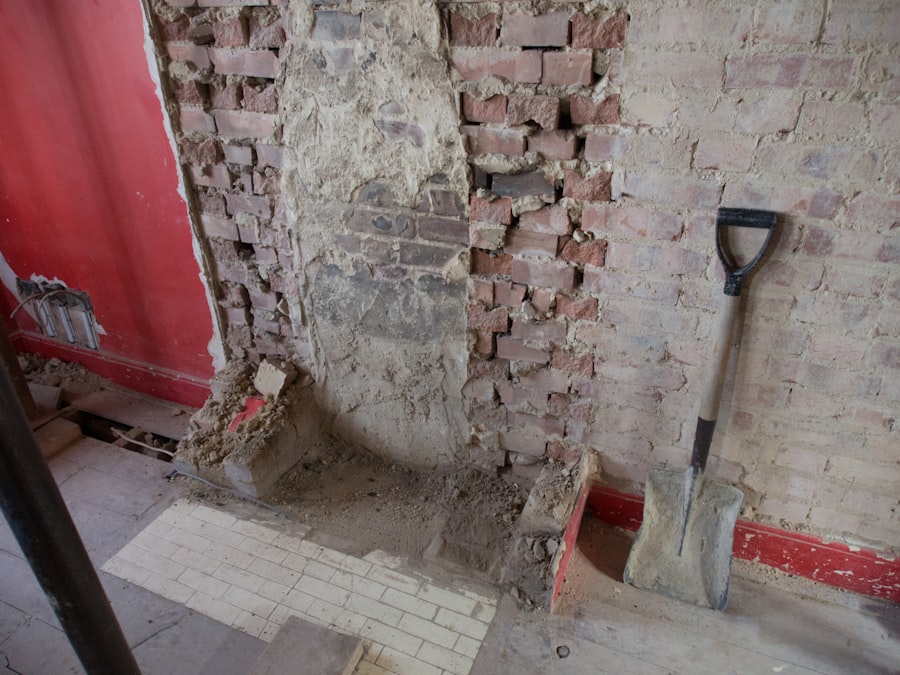
Engaging professionals for a gut renovation is often essential to ensure that the project is executed correctly and efficiently. Hiring an experienced contractor can provide invaluable expertise in navigating the complexities of construction work, including obtaining necessary permits and adhering to local building codes. A skilled contractor will also have established relationships with subcontractors such as electricians and plumbers, which can streamline the process and potentially reduce costs.
When selecting professionals for a gut renovation, it’s crucial for homeowners to conduct thorough research and vet potential candidates carefully. This includes checking references, reviewing past projects, and ensuring that contractors are licensed and insured. Homeowners should also seek multiple bids to compare pricing and services offered.
Open communication with hired professionals is vital throughout the renovation process; discussing expectations clearly can help prevent misunderstandings and ensure that the final result aligns with the homeowner’s vision.
Financing Options for a Gut Renovation
Financing a gut renovation can be challenging due to the substantial costs involved; however, several options are available to help homeowners manage these expenses effectively. One common method is through home equity loans or lines of credit (HELOCs), which allow homeowners to borrow against the equity they have built in their property.
Another financing avenue is through personal loans specifically designed for home improvement projects. These loans often come with fixed interest rates and predictable monthly payments, allowing homeowners to budget effectively over time. Additionally, some government programs offer grants or low-interest loans for renovations aimed at improving energy efficiency or accessibility in homes.
Homeowners should explore all available financing options to determine which best suits their financial situation and renovation goals.
Return on Investment for a Gut Renovation
Understanding the potential return on investment (ROI) from a gut renovation is crucial for homeowners considering such an extensive project.
For instance, kitchen remodels often provide one of the highest returns on investment; according to various real estate studies, homeowners can expect to recoup approximately 70% to 80% of their investment when selling their home after a kitchen upgrade.
However, it’s important to note that not all renovations guarantee high returns; some projects may be more about personal preference than market value enhancement. Homeowners should consider their long-term plans—if they intend to stay in their home for many years, they may prioritize personal enjoyment over immediate financial return. Ultimately, understanding local market trends and consulting with real estate professionals can help homeowners make informed decisions about which renovations will provide both satisfaction and value in the long run.
If you’re considering a gut renovation and are curious about the costs involved, you might also be interested in exploring strategies to enhance your home’s overall appeal and functionality. A related article that delves into this topic is “Revitalize Your Home: Key Renovation Strategies,” which provides insights into effective renovation techniques that can transform your living space. This article can serve as a valuable resource for homeowners looking to make informed decisions about their renovation projects. For more information, you can read the full article by following this link.
FAQs
What is a gut renovation?
A gut renovation involves completely stripping a building down to its structural elements and rebuilding it from scratch. This typically includes removing all interior finishes, fixtures, and sometimes even the exterior facade.
How much does a gut renovation cost?
The cost of a gut renovation can vary widely depending on factors such as the size of the space, the extent of the renovation, the quality of materials used, and the location. On average, a gut renovation can cost anywhere from $100 to $300 per square foot.
What factors can affect the cost of a gut renovation?
Factors that can affect the cost of a gut renovation include the complexity of the project, the need for structural repairs, the quality of materials and finishes, the cost of labor, and any unforeseen issues that may arise during the renovation process.
Is it worth it to do a gut renovation?
Whether a gut renovation is worth it depends on the specific circumstances of the project. In some cases, a gut renovation can significantly increase the value of a property and improve its functionality and aesthetics. However, it is important to carefully consider the costs and potential return on investment before undertaking a gut renovation.