
The brownstone, a quintessential element of Brooklyn’s architectural landscape, has a rich history that reflects the evolution of the borough itself. Originating in the mid-19th century, these iconic row houses were constructed primarily from brown sandstone, a material that was both affordable and readily available. The rise of the brownstone coincided with Brooklyn’s rapid urbanization during the Industrial Revolution, as waves of immigrants sought housing in burgeoning neighborhoods.
The brownstone became a symbol of middle-class aspiration, offering families a sense of stability and community in an ever-changing urban environment. As Brooklyn continued to grow, so did the popularity of brownstones. By the late 1800s, they had become synonymous with the borough’s identity, particularly in areas like Fort Greene, Park Slope, and Bedford-Stuyvesant.
The architectural style of these homes often featured ornate details such as stoops, cornices, and decorative moldings, reflecting the Victorian influences of the time. However, the decline of manufacturing jobs in the mid-20th century led to a period of neglect for many brownstones, as residents moved to suburban areas. This decline was not permanent; by the 1970s and 1980s, a resurgence of interest in these historic homes began, driven by artists and young professionals seeking affordable housing in a vibrant urban setting.
Key Takeaways
- Brownstones in Brooklyn have a rich history dating back to the 19th century, and understanding this history can help homeowners appreciate the unique charm and character of their property.
- Assessing the condition of your brownstone is crucial before starting any renovation project, as it can help identify potential issues and determine the scope of work needed.
- Planning and budgeting for a brownstone renovation requires careful consideration of the desired changes, as well as setting aside funds for unexpected expenses that may arise during the process.
- Navigating the permit process in Brooklyn can be complex, so it’s important to familiarize yourself with local regulations and work with professionals who can help streamline the process.
- Choosing the right contractors and architects is essential for a successful brownstone renovation, as their expertise and experience can make a significant difference in the outcome of the project.
- Preserving the charm of your brownstone is a key consideration during renovation, and it’s important to find a balance between modern updates and maintaining the historical integrity of the property.
- Incorporating modern amenities into your renovation can enhance the livability of your brownstone, but it’s important to do so in a way that complements the historic features of the property.
- Tips for living in your brownstone during renovation include setting up temporary living arrangements, communicating regularly with your contractors, and being flexible with the timeline and disruptions that may occur.
Assessing the Condition of Your Brownstone
Before embarking on a renovation journey, it is crucial to conduct a thorough assessment of your brownstone’s condition. This process involves examining both the exterior and interior elements of the home to identify any structural issues or areas requiring repair. Common problems in older brownstones include water damage, foundation issues, and deteriorating facades.
A professional home inspector can provide valuable insights into these aspects, helping you understand the extent of necessary repairs and renovations. In addition to structural integrity, assessing the condition of your brownstone also involves evaluating its systems—plumbing, electrical, and HVAMany brownstones still retain their original systems, which may not meet modern safety standards or energy efficiency requirements. Upgrading these systems can be a significant part of your renovation budget but is essential for ensuring the long-term livability and safety of your home.
Furthermore, understanding the historical significance of your brownstone can guide your renovation decisions; certain features may need to be preserved or restored to maintain the home’s character.
Planning and Budgeting for a Brownstone Renovation
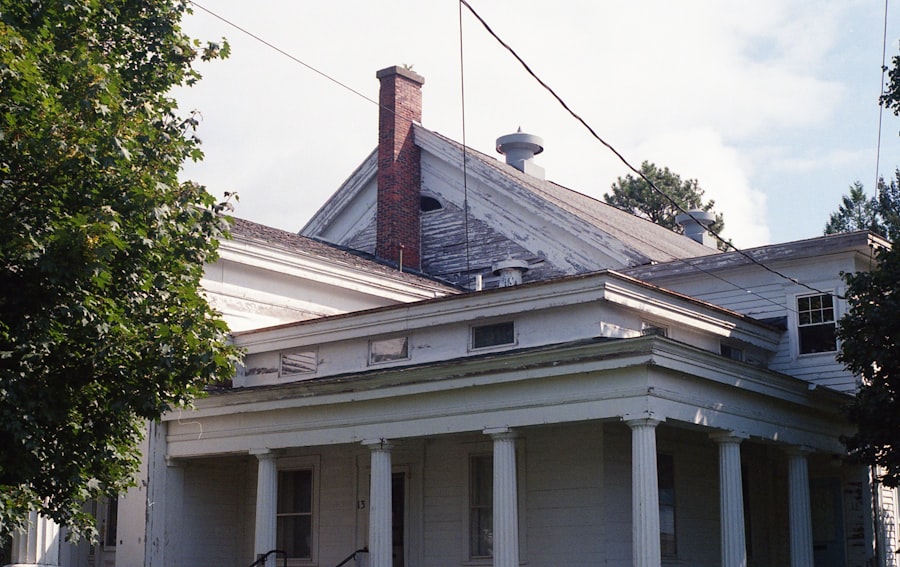
Once you have assessed the condition of your brownstone, the next step is to create a comprehensive renovation plan and budget. This process begins with defining your goals for the renovation—whether you aim to restore historical features, modernize living spaces, or improve energy efficiency. Establishing clear objectives will help guide your decisions throughout the renovation process and ensure that your vision aligns with your budget.
Budgeting for a brownstone renovation can be complex due to the potential for unexpected costs. It is advisable to allocate a contingency fund—typically around 10-20% of your total budget—to account for unforeseen issues that may arise during construction. Additionally, obtaining multiple quotes from contractors can provide a clearer picture of labor and material costs.
It is essential to prioritize your renovation goals; focusing on critical repairs first can help you manage costs effectively while still achieving your desired aesthetic and functional outcomes.
Navigating the Permit Process in Brooklyn
Renovating a brownstone in Brooklyn often requires navigating a complex web of permits and regulations. The New York City Department of Buildings (DOB) oversees construction permits, and understanding their requirements is crucial for a successful renovation project. Depending on the scope of your renovation—such as structural changes or alterations to the building’s exterior—you may need to submit detailed plans prepared by a licensed architect or engineer.
The permit process can be time-consuming and may involve public hearings or community board approvals, particularly if your brownstone is located in a historic district. Engaging with local preservation organizations can provide valuable insights into specific regulations that may apply to your property. Additionally, staying organized and maintaining open communication with city officials can help streamline the process and minimize delays.
Being proactive about understanding zoning laws and building codes will ultimately save you time and frustration as you work toward your renovation goals.
Choosing the Right Contractors and Architects
Selecting the right contractors and architects is one of the most critical steps in ensuring a successful brownstone renovation. The ideal team should not only possess technical expertise but also have experience working with historic properties. When interviewing potential contractors, ask for references from previous clients who have undertaken similar projects.
This will give you insight into their work ethic, reliability, and ability to meet deadlines. In addition to experience, it is essential to find professionals who share your vision for the renovation. A good architect will listen to your ideas while also providing creative solutions that enhance both functionality and aesthetics.
Establishing clear communication from the outset will foster a collaborative environment where both parties can contribute ideas and address concerns throughout the renovation process.
Preserving the Charm of Your Brownstone
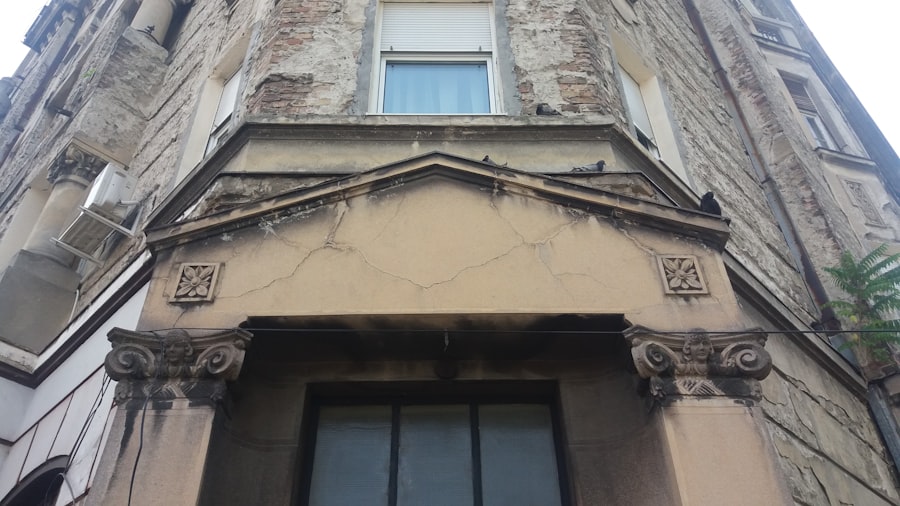
One of the most appealing aspects of owning a brownstone is its historical charm and character. As you embark on your renovation journey, it is vital to strike a balance between modern updates and preserving these unique features. Elements such as original moldings, staircases, and fireplaces contribute significantly to the home’s aesthetic value and should be carefully restored rather than replaced whenever possible.
Incorporating preservation techniques can enhance the authenticity of your renovation. For instance, if you discover original woodwork beneath layers of paint, consider stripping it back to reveal its natural beauty. Similarly, if your brownstone has unique architectural details like cornices or decorative brackets, work with skilled craftsmen who specialize in restoration techniques to ensure these elements are preserved.
By honoring the history of your home while making necessary updates, you can create a living space that reflects both its past and your personal style.
Incorporating Modern Amenities into Your Renovation
While preserving historical charm is essential, integrating modern amenities into your brownstone renovation can significantly enhance comfort and functionality. Homeowners today expect conveniences such as updated kitchens and bathrooms, energy-efficient appliances, and smart home technology. When planning these upgrades, consider how they can be seamlessly integrated into the existing structure without compromising its character.
For example, when renovating a kitchen in a brownstone, opt for cabinetry that complements the home’s architectural style while incorporating modern features like soft-close hinges or pull-out shelves for added convenience. In bathrooms, consider installing energy-efficient fixtures that reduce water consumption while maintaining an elegant design aesthetic. Smart home technology can also be discreetly integrated; for instance, using smart thermostats or lighting systems that blend with traditional decor can enhance both comfort and energy efficiency without detracting from the home’s historical appeal.
Tips for Living in Your Brownstone During Renovation
Living in your brownstone during renovations can be challenging but manageable with careful planning and preparation. First and foremost, establish clear boundaries between construction zones and living areas to minimize disruption. Use plastic sheeting or temporary walls to contain dust and debris while allowing access to essential spaces like kitchens or bathrooms.
Communication with your contractors is key; set expectations regarding work hours and any potential noise disruptions so you can plan accordingly.
Finally, remain flexible throughout the process; renovations often come with unexpected challenges that may require adjustments to your daily routine.
Embracing this temporary inconvenience will ultimately lead to a beautifully renovated space that enhances your quality of life for years to come.
If you’re considering a brownstone renovation in Brooklyn, it’s essential to explore various innovative home changes that can enhance both the aesthetic and functional aspects of your property. A related article that might interest you is Smart Makeovers: Innovative Home Changes. This article delves into creative renovation ideas that can be applied to brownstones, offering insights into modernizing these classic homes while preserving their historic charm. Whether you’re looking to update the interior design or incorporate smart technology, this resource provides valuable tips to guide your renovation journey.
FAQs
What is a brownstone renovation?
A brownstone renovation refers to the process of updating and restoring a brownstone building, typically found in Brooklyn, New York. This can include interior and exterior renovations to modernize the space while preserving its historic charm.
What are common renovation projects in a brownstone?
Common renovation projects in a brownstone include updating the kitchen and bathrooms, restoring original woodwork and moldings, repairing or replacing the facade, updating plumbing and electrical systems, and creating modern living spaces while preserving historic features.
What should I expect during a brownstone renovation?
During a brownstone renovation, you can expect to work with architects, contractors, and possibly historic preservation specialists. You may need to obtain permits for certain renovations, and the process can involve uncovering unexpected issues such as structural damage or outdated systems.
How long does a brownstone renovation typically take?
The timeline for a brownstone renovation can vary depending on the scope of the project, but it’s common for renovations to take several months to a year or more to complete. Factors such as the size of the building, the extent of the renovations, and any unexpected issues can all impact the timeline.
What are the costs associated with a brownstone renovation?
The costs of a brownstone renovation can vary widely depending on the scope of the project, the condition of the building, and the materials and finishes chosen. It’s important to budget for unexpected expenses and to work with professionals to get accurate cost estimates before beginning the renovation.