
When embarking on a construction or renovation project, one of the most common pitfalls is setting unrealistic budget expectations. Many individuals begin with a vague idea of how much they are willing to spend, often influenced by anecdotal evidence or the experiences of friends and family. This can lead to a significant disconnect between the actual costs involved and the budget that has been established.
For instance, a homeowner might hear that a kitchen remodel can be completed for $20,000 without considering the specific details of their project, such as the size of the kitchen, the quality of materials desired, or the complexity of the design. As a result, they may find themselves facing unexpected expenses that can quickly escalate beyond their initial budget. Moreover, the tendency to underestimate costs can stem from a lack of understanding of the various components that contribute to a project’s overall expense.
Labor costs, permits, and unforeseen complications can all add up significantly. For example, if a homeowner decides to undertake a bathroom renovation, they might initially allocate funds for new fixtures and tiles but fail to account for plumbing updates or electrical work that may be necessary to meet current building codes. This oversight can lead to frustration and financial strain as the project progresses, ultimately resulting in a compromised vision or incomplete work due to budget constraints.
Key Takeaways
- Setting unrealistic budget expectations can lead to disappointment and compromise on quality.
- Proper planning is crucial for a successful and stress-free home improvement project.
- Ignoring the importance of quality materials can result in frequent repairs and replacements.
- Underestimating the importance of professional help can lead to costly mistakes and delays.
- Neglecting to consider functionality and practicality can result in a beautiful but impractical space.
Overlooking the Importance of Proper Planning
Proper planning is the backbone of any successful construction or renovation project. Without a well-thought-out plan, projects can quickly spiral out of control, leading to delays, increased costs, and unsatisfactory results. A comprehensive plan should encompass not only the design and aesthetic elements but also timelines, budgets, and contingency measures for potential setbacks.
For instance, if a homeowner decides to remodel their living room without first creating a detailed timeline and budget, they may find themselves in a situation where they are unable to complete the project due to unforeseen delays or financial shortfalls. Additionally, planning should involve thorough research and consideration of all aspects of the project. This includes understanding local building codes, zoning regulations, and obtaining necessary permits.
A lack of attention to these details can result in costly fines or the need to redo work that does not comply with regulations. For example, if a homeowner begins construction on an addition without securing the proper permits, they may be forced to halt work mid-project and face penalties from local authorities. Therefore, investing time in proper planning is essential for ensuring that a project runs smoothly and meets all legal requirements.
Ignoring the Importance of Quality Materials

The choice of materials in any construction or renovation project plays a crucial role in determining the longevity and overall success of the endeavor. Many individuals make the mistake of prioritizing cost over quality when selecting materials, believing that they can save money by opting for cheaper alternatives. However, this approach often leads to greater expenses in the long run due to increased maintenance needs or premature replacement.
For instance, using low-quality roofing materials may save money upfront but can result in leaks and damage that necessitate costly repairs within just a few years. Furthermore, quality materials contribute significantly to the aesthetic appeal and functionality of a space. In a kitchen remodel, for example, investing in durable countertops made from high-quality stone can enhance both the visual appeal and usability of the area.
Conversely, opting for lower-quality laminate surfaces may lead to dissatisfaction with the final product and require replacement sooner than anticipated.
Underestimating the Importance of Professional Help
While many homeowners may feel confident in their ability to manage a construction or renovation project independently, underestimating the importance of professional help can lead to significant challenges. Professionals bring expertise and experience that can streamline processes and prevent costly mistakes. For example, hiring an architect for a home addition can ensure that the design is not only aesthetically pleasing but also structurally sound and compliant with local building codes.
Without this expertise, homeowners may inadvertently create designs that are impractical or unsafe. Moreover, professionals often have established relationships with suppliers and subcontractors, which can lead to better pricing and access to high-quality materials. A general contractor, for instance, can coordinate various aspects of a project, from scheduling inspections to managing subcontractors for plumbing and electrical work.
This level of organization is difficult for an untrained individual to replicate, often resulting in delays and miscommunication. By recognizing the value that professional help brings to a project, homeowners can avoid many common pitfalls associated with DIY approaches.
Neglecting to Consider Functionality and Practicality
In the excitement of designing a new space or renovating an existing one, it is easy for homeowners to become overly focused on aesthetics while neglecting functionality and practicality. A beautifully designed kitchen may feature stunning cabinetry and high-end appliances; however, if it lacks adequate storage or an efficient layout for cooking and entertaining, it will ultimately fall short of meeting the homeowner’s needs. For example, an island that looks great but is poorly positioned may obstruct traffic flow or make it difficult for multiple people to work in the kitchen simultaneously.
Functionality should also extend beyond mere layout considerations; it encompasses how well a space serves its intended purpose over time. In bathrooms, for instance, homeowners might be tempted to install luxurious soaking tubs without considering whether they will actually use them regularly. Instead, prioritizing features such as ample counter space or efficient storage solutions may yield greater satisfaction in daily use.
By balancing aesthetics with practicality, homeowners can create spaces that are not only visually appealing but also functional and enjoyable.
Overlooking the Impact of Lighting and Ventilation
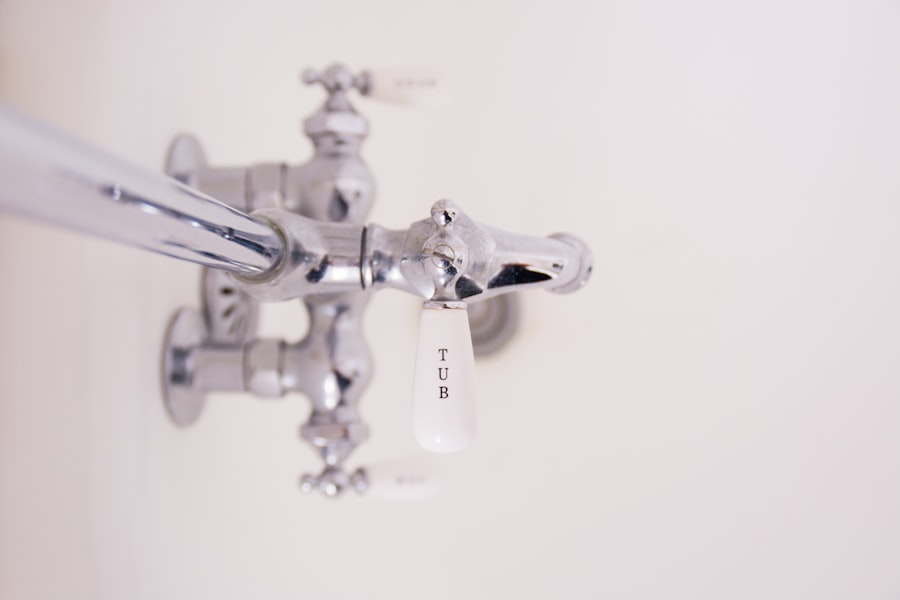
Lighting and ventilation are two critical elements that are often overlooked during construction or renovation projects. Proper lighting can dramatically affect the mood and functionality of a space; inadequate lighting can render even the most beautifully designed room uninviting and impractical. For instance, a living room with insufficient natural light may feel cramped and dreary despite its stylish furnishings.
Homeowners should consider incorporating multiple sources of light—such as ambient lighting from ceiling fixtures, task lighting from lamps, and accent lighting to highlight artwork—to create a well-lit environment that enhances both comfort and usability. Ventilation is equally important in maintaining a healthy indoor environment. Poor ventilation can lead to issues such as mold growth, unpleasant odors, and decreased air quality.
In kitchens and bathrooms where moisture levels are typically higher, installing exhaust fans is essential for removing excess humidity and preventing damage to walls and fixtures. Additionally, strategically placed windows can facilitate cross-ventilation, allowing fresh air to circulate throughout the home. By prioritizing both lighting and ventilation during planning stages, homeowners can create spaces that are not only visually appealing but also conducive to health and well-being.
Disregarding the Importance of Proper Waterproofing
Waterproofing is an essential aspect of construction that is often underestimated or overlooked entirely. Failing to implement adequate waterproofing measures can lead to severe consequences down the line, including structural damage from water infiltration and mold growth that poses health risks. For example, basements are particularly vulnerable to moisture issues; without proper waterproofing techniques such as drainage systems or sealants applied to walls and floors, homeowners may find themselves facing costly repairs due to water damage.
In addition to basements, areas such as bathrooms and kitchens require careful attention to waterproofing as well. Installing waterproof membranes beneath tiles in showers or using moisture-resistant materials around sinks can prevent water from seeping into walls and causing damage over time. Homeowners should also consider grading their property away from foundations to direct water runoff effectively.
Failing to Consider Long-Term Maintenance Costs
When planning a construction or renovation project, it is crucial for homeowners to consider not only initial costs but also long-term maintenance expenses associated with their choices. Many individuals focus solely on upfront expenditures without fully understanding how certain materials or designs will impact ongoing upkeep. For instance, while hardwood floors may be aesthetically pleasing and add value to a home, they require regular maintenance such as refinishing every few years to keep them looking their best.
Conversely, opting for luxury vinyl flooring might entail lower initial costs but could lead to higher replacement expenses if it becomes damaged over time. Additionally, energy efficiency should be factored into long-term maintenance considerations as well. Investing in high-quality windows or energy-efficient appliances may come with higher upfront costs but can result in significant savings on utility bills over time.
Homeowners should also evaluate landscaping choices; selecting native plants that require less water and maintenance can reduce ongoing landscaping costs while promoting sustainability. By taking long-term maintenance costs into account during planning stages, homeowners can make informed decisions that enhance both their immediate enjoyment of their spaces and their financial well-being in the future.
If you are considering a low-cost bathroom remodel in Brooklyn, it is important to avoid common mistakes that could end up costing you more in the long run. One helpful resource to consult is ESG Builders Ltd, a reputable construction company that specializes in home renovations. They offer valuable tips and advice on their website, including an article on open concept designs for modern spaces. To learn more about their services and how they can help with your bathroom remodel, visit their website.
FAQs
What are common mistakes to avoid in a low-cost bathroom remodel?
Some common mistakes to avoid in a low-cost bathroom remodel include not setting a budget, not planning the layout properly, choosing low-quality materials, and underestimating the cost of labor.
How can I avoid overspending on a low-cost bathroom remodel?
To avoid overspending on a low-cost bathroom remodel, it’s important to set a budget and stick to it, prioritize the most important updates, consider DIY options for simple tasks, and shop around for the best deals on materials and labor.
What are some cost-effective options for a bathroom remodel?
Cost-effective options for a bathroom remodel include refinishing or painting existing fixtures instead of replacing them, using affordable yet durable materials such as vinyl flooring and laminate countertops, and considering alternative design options that require less labor and materials.
What should I consider when planning a low-cost bathroom remodel in Brooklyn?
When planning a low-cost bathroom remodel in Brooklyn, it’s important to consider the layout and size of the space, the existing plumbing and electrical systems, any building regulations or permits required, and the overall aesthetic and functionality of the space.
How can I ensure a successful low-cost bathroom remodel in Brooklyn?
To ensure a successful low-cost bathroom remodel in Brooklyn, it’s important to carefully plan and budget for the project, research and hire reputable contractors or tradespeople, prioritize updates that will add value to the home, and be flexible and open to alternative design and material options.