
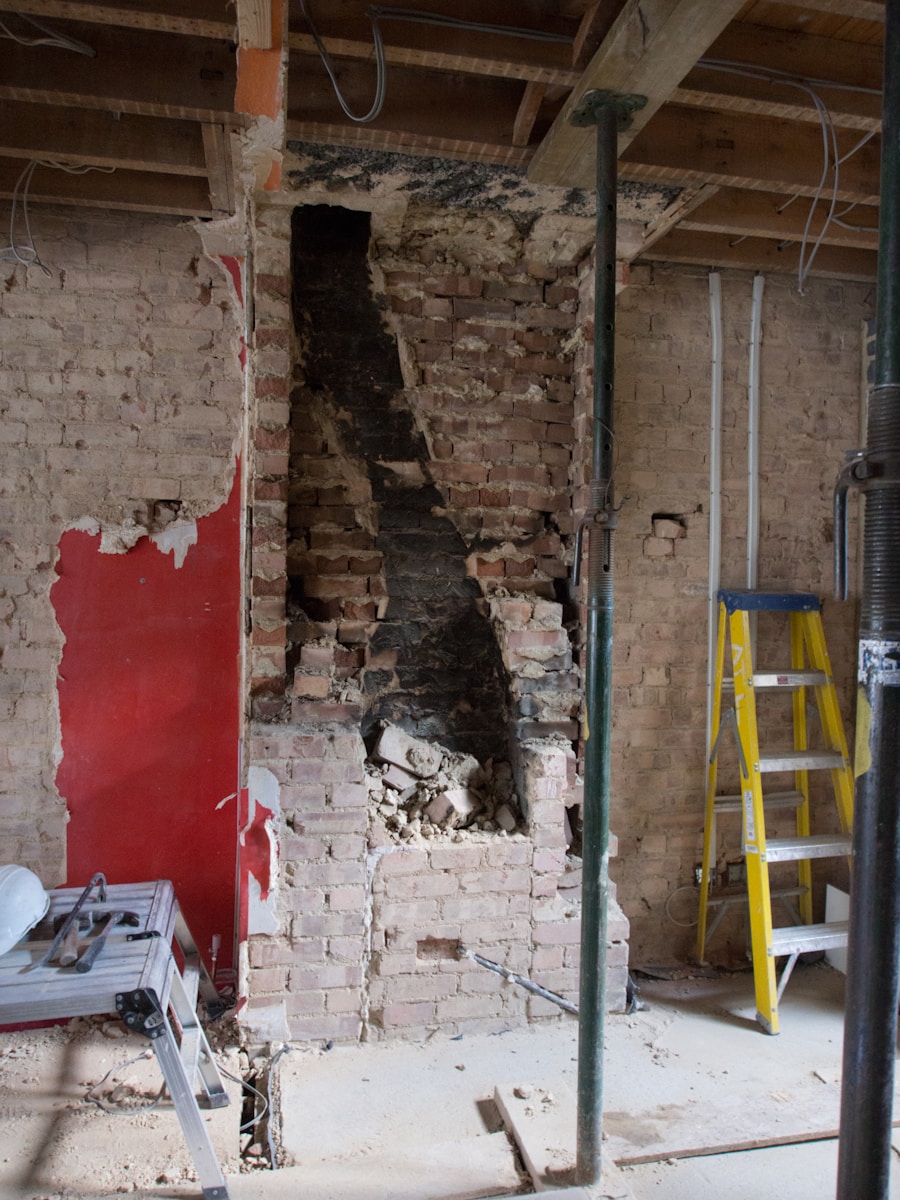
A multi-family gut rehabilitation project in Brooklyn is a significant undertaking that involves extensive renovations to an entire building or a substantial portion of it. This process typically entails stripping down the structure to its bare bones, which may include removing walls, floors, and ceilings, and replacing outdated plumbing, electrical systems, and HVAC units. The goal is to modernize the living spaces, improve energy efficiency, and enhance the overall aesthetic appeal of the property.
In a city like Brooklyn, where real estate is highly competitive, a well-executed gut rehab can dramatically increase property value and attract higher-paying tenants. The scope of such a project can vary widely depending on the building’s age, condition, and the specific goals of the renovation. For instance, a historic brownstone may require careful preservation of original architectural features while updating its infrastructure to meet contemporary standards.
Conversely, a more modern building might focus on maximizing space and incorporating smart home technologies. Regardless of the specifics, a multi-family gut rehab often involves collaboration among architects, contractors, and interior designers to ensure that the final product meets both aesthetic and functional needs.
Key Takeaways
- Multi-family gut rehabs in Brooklyn require careful planning and understanding of the scope of work involved.
- Gut renovations can significantly impact daily life for residents, with noise, dust, and limited access to certain areas of the building.
- Residents have options for temporary housing during a multi-family gut rehab, including staying with family or friends, renting a short-term apartment, or utilizing hotel accommodations.
- Effective communication and managing expectations are crucial during a gut renovation to minimize stress and frustration for residents.
- Safety and health considerations, such as proper ventilation and dust control, are important for residents during a gut renovation to minimize potential health risks.
The Impact of a Gut Renovation on Daily Life in a Multi-Family Building
The impact of a gut renovation on daily life within a multi-family building can be profound. Residents may experience significant disruptions to their routines as construction activities unfold. Noise from demolition and construction work can be particularly intrusive, often starting early in the morning and continuing throughout the day.
This can lead to challenges for those who work from home or have young children who require quiet environments for napping or studying. Additionally, common areas such as hallways and stairwells may be blocked off or under construction, limiting access and creating safety hazards. Moreover, the presence of construction crews can alter the social dynamics within the building.
Residents may find themselves interacting more frequently with their neighbors as they navigate shared inconveniences. While this can foster a sense of community, it can also lead to frustration and tension if communication is lacking or if residents feel their concerns are not being addressed. The emotional toll of living in a construction zone should not be underestimated; feelings of anxiety and uncertainty about the duration and outcome of the renovation can weigh heavily on residents.
Options for Temporary Housing During a Multi-Family Gut Rehab

For many residents, finding temporary housing during a multi-family gut rehab is a necessary step to maintain their quality of life. The options available can vary based on budget, duration of the renovation, and personal preferences. Short-term rentals through platforms like Airbnb or Vrbo can provide flexibility for those who need to vacate their units for several weeks or months.
These platforms offer a range of accommodations, from private rooms to entire homes, allowing residents to choose options that best suit their needs. Another alternative is to seek temporary housing with friends or family. This option can be cost-effective and provide emotional support during what can be a stressful time.
However, it may not always be feasible for everyone, especially if personal relationships are strained or if family members live far away. Some residents may also consider corporate housing solutions, which cater specifically to individuals needing temporary accommodations for work-related reasons. These furnished apartments often come with amenities that make them feel more like home than traditional hotel stays.
Managing Expectations and Communication During a Gut Renovation
Effective communication is crucial during a gut renovation to manage expectations among residents. Property management should establish clear lines of communication from the outset, providing residents with detailed timelines and updates on the progress of the renovation. Regular meetings or newsletters can help keep everyone informed about what to expect next, including potential disruptions and changes in access to common areas.
Transparency about delays or unexpected issues is essential; residents are more likely to remain patient if they feel included in the process. Additionally, setting realistic expectations about the timeline and scope of work is vital. Renovations often take longer than initially planned due to unforeseen complications such as structural issues or delays in obtaining permits.
By preparing residents for potential setbacks, property management can mitigate frustration and foster a sense of understanding among tenants. Encouraging feedback from residents throughout the process can also help address concerns promptly and maintain goodwill within the community.
Safety and Health Considerations for Residents During a Gut Renovation
Safety and health considerations are paramount during a multi-family gut rehab. Construction sites inherently pose risks, including exposure to dust, debris, and hazardous materials such as asbestos or lead paint in older buildings. Property management must ensure that all safety protocols are followed by contractors to protect residents from potential harm.
This includes securing construction areas with barriers and signage to prevent unauthorized access and ensuring that workers adhere to safety regulations. Health considerations extend beyond physical safety; mental well-being is also affected by living in a construction zone. The stress associated with noise, dust, and uncertainty can exacerbate existing health issues or create new ones for sensitive individuals.
Property management should consider providing resources for residents who may need support during this challenging time, such as access to counseling services or wellness programs that promote stress relief.
Financial Considerations for Residents During a Multi-Family Gut Rehab
The financial implications of a multi-family gut rehab can be significant for residents. While property owners typically bear the brunt of renovation costs, tenants may face increased rent once renovations are complete. It is essential for residents to understand how these changes could affect their financial situation in both the short and long term.
Property management should communicate any anticipated rent increases clearly and provide justifications based on improvements made during the renovation. Additionally, some residents may incur unexpected expenses during the renovation period. For instance, those who choose to relocate temporarily may face higher housing costs or additional moving expenses.
It is advisable for residents to budget accordingly and explore options for financial assistance if needed.
Legal and Insurance Implications for Residents During a Gut Renovation
Legal considerations play an important role in multi-family gut rehabs, particularly concerning tenant rights and responsibilities. In New York City, laws protect tenants from unjust eviction or excessive rent increases during renovations. Residents should be aware of their rights under the New York State Multiple Dwelling Law and other relevant regulations that govern landlord-tenant relationships during construction projects.
Consulting with legal professionals specializing in real estate law can provide valuable insights into navigating these complexities. Insurance implications are another critical aspect for residents during a gut renovation. Tenants should review their renters’ insurance policies to ensure they are adequately covered for potential damages or losses incurred during construction.
Property management should also verify that contractors carry sufficient liability insurance to protect both themselves and residents from potential claims arising from accidents on-site.
Tips for Minimizing Disruption and Stress During a Multi-Family Gut Rehab
Minimizing disruption and stress during a multi-family gut rehab requires proactive strategies from both property management and residents themselves. One effective approach is establishing designated quiet hours when construction noise is minimized, allowing residents some respite from the chaos of renovation work. Additionally, creating clear pathways for residents to navigate around construction zones can enhance safety and reduce frustration.
Residents can also take steps to prepare themselves mentally and physically for the challenges ahead. Developing a routine that accommodates construction schedules can help maintain a sense of normalcy amidst the upheaval. Engaging with neighbors through community-building activities can foster camaraderie and support during this transitional period; sharing experiences can alleviate feelings of isolation that often accompany living in a construction zone.
By understanding the complexities involved in a multi-family gut rehab in Brooklyn—from managing expectations to navigating legal implications—residents can better equip themselves for this challenging yet transformative experience.
If you are considering a multi-family gut rehab in Brooklyn, you may also be interested in reading about key renovation strategies to revitalize your space. This article discusses how to transform your space through smart renovations, offering tips on functional enhancements that can make a big impact. To learn more about revitalizing your home with key renovation strategies, check out this article.
FAQs
What is a multi-family gut renovation?
A multi-family gut renovation involves completely stripping down and rebuilding the interior of a multi-family building, including apartments, common areas, and building systems.
Do you need to move out during a multi-family gut renovation?
In most cases, tenants will need to temporarily move out during a multi-family gut renovation for safety and logistical reasons. The extent of the renovation and the specific building conditions will determine whether tenants can remain in their units during the renovation.
What are the reasons for needing to move out during a gut renovation?
The reasons for needing to move out during a gut renovation include safety concerns, noise and dust levels, lack of access to essential utilities, and the need for extensive work in individual units.
How long does a multi-family gut renovation typically take?
The duration of a multi-family gut renovation can vary depending on the size of the building, the scope of work, and other factors. It can range from several months to over a year.
What should tenants consider when planning for a move during a gut renovation?
Tenants should consider finding temporary housing, storing belongings, and communicating with the landlord or property management about the logistics of the move and the renovation process. It’s important to understand the terms of the lease and any rights or responsibilities related to the renovation.