
Selecting the right contractor is a pivotal step in any construction or renovation project. The contractor serves as the linchpin, coordinating various aspects of the build, from managing subcontractors to ensuring that the project adheres to timelines and budgets. To begin this process, it is essential to conduct thorough research.
Start by seeking recommendations from friends, family, or colleagues who have recently undertaken similar projects. Online platforms such as Yelp, Angie’s List, or Houzz can also provide valuable insights through customer reviews and ratings. When you compile a list of potential contractors, it’s crucial to verify their credentials, including licenses, insurance, and bonding.
This not only protects you as a homeowner but also ensures that the contractor adheres to industry standards. Once you have narrowed down your options, arrange interviews with each contractor. This is an opportunity to gauge their communication style, professionalism, and expertise.
Ask for references from previous clients and take the time to follow up with them. Inquire about their experiences, focusing on aspects such as the contractor’s ability to meet deadlines, manage budgets, and handle unexpected challenges. Additionally, request to see examples of their past work.
A reputable contractor should be proud to showcase their portfolio, which can provide insight into their craftsmanship and design sensibilities. Ultimately, finding the right contractor is about establishing a relationship built on trust and transparency, as this partnership will significantly influence the success of your project.
Key Takeaways
- Finding the right contractor is crucial for a successful construction project. Look for experience, reputation, and communication skills.
- Understanding the building process is important to manage expectations and timelines. Be prepared for potential delays and setbacks.
- Permits and regulations in Brooklyn can be complex. Make sure to research and comply with all local building codes and regulations.
- Budgeting and cost considerations are key to avoid overspending. Get multiple quotes and factor in unexpected expenses.
- Choosing the right materials and design is essential for the longevity and aesthetics of the construction project. Consider durability, maintenance, and style.
- Establish a realistic timeline for construction and be prepared for potential delays. Communicate with the contractor to stay updated on progress.
- Regular communication and updates with the contractor are essential for a smooth construction process. Address any concerns or changes promptly.
- Final inspections and handover are critical to ensure that the construction meets all requirements and is ready for use. Conduct a thorough walkthrough before finalizing the project.
Understanding the Building Process
Conceptualization and Design
The process begins with conceptualization and design, where homeowners bring their vision to life with the help of architects or designers.
Homeowners should consider factors such as functionality, aesthetics, and how the new space will integrate with existing structures. Engaging in detailed discussions about design elements can help ensure that the final plans align with their expectations.
Pre-Construction Stage
Following the design phase is the pre-construction stage, which includes obtaining necessary permits and finalizing contracts with contractors and subcontractors. This stage often involves a significant amount of paperwork and coordination among various parties. Once all approvals are secured, construction can commence.
Construction and Completion
The actual building process typically unfolds in a series of phases: site preparation, foundation work, framing, installation of systems (plumbing, electrical, HVAC), interior finishes, and finally, landscaping. Each phase requires meticulous attention to detail and adherence to safety regulations. Understanding this progression helps homeowners anticipate what to expect at each stage and allows for better planning regarding timelines and budgets.
Permits and Regulations in Brooklyn
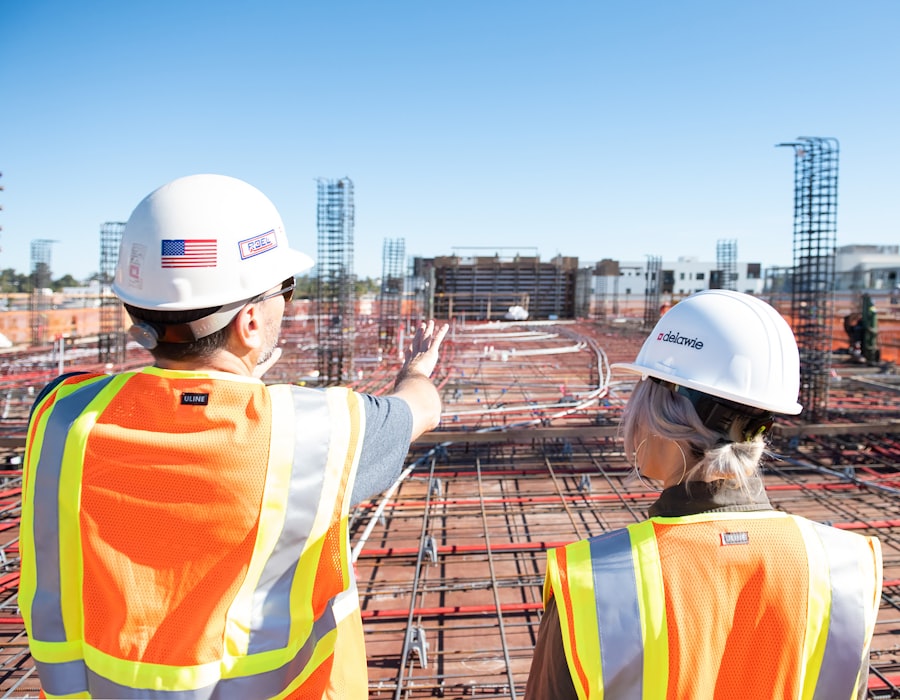
Navigating permits and regulations in Brooklyn can be a daunting task for homeowners embarking on construction projects. The New York City Department of Buildings (DOB) oversees all construction activities within the city limits, including Brooklyn. Before any work begins, it is essential to determine which permits are required for your specific project.
Common permits include those for new constructions, alterations, plumbing work, and electrical installations. The application process often involves submitting detailed plans and specifications that demonstrate compliance with local building codes. In addition to obtaining permits from the DOB, homeowners must also be aware of zoning regulations that dictate how properties can be used and developed.
Zoning laws in Brooklyn can vary significantly from one neighborhood to another, affecting factors such as building height, density, and land use. For instance, certain areas may have restrictions on the types of materials that can be used or may require adherence to historical preservation guidelines if the property is located in a designated historic district. Engaging a knowledgeable contractor or architect familiar with local regulations can streamline this process and help avoid costly delays or fines.
Budgeting and Cost Considerations
Budgeting for a construction project requires careful consideration of various factors that can influence overall costs. Initially, homeowners should establish a clear budget that encompasses not only construction expenses but also additional costs such as permits, inspections, and potential contingencies for unexpected issues that may arise during the build.
When discussing costs with contractors, it is essential to obtain detailed estimates that break down expenses by category—labor, materials, permits, and any other relevant costs. This transparency allows homeowners to understand where their money is going and make informed decisions about potential adjustments to the project scope if necessary. Additionally, consider exploring financing options if needed; many homeowners opt for home equity loans or construction loans to fund their projects.
Understanding the financial landscape of your construction project will empower you to make strategic decisions that align with your vision while remaining within budgetary constraints.
Choosing the Right Materials and Design
The selection of materials and design elements plays a critical role in both the aesthetic appeal and functionality of a construction project. Homeowners should consider not only their personal style preferences but also the durability and maintenance requirements of various materials. For instance, while hardwood flooring may offer timeless beauty, it may not be suitable for high-traffic areas without proper care.
Conversely, luxury vinyl tiles can provide a similar aesthetic with enhanced durability and lower maintenance needs. In terms of design, it is essential to create a cohesive look that reflects your personal taste while also considering the architectural style of your home and its surroundings. Collaborating with an experienced designer or architect can help ensure that your choices harmonize with existing structures while maximizing space efficiency.
Additionally, sustainability has become an increasingly important factor in material selection; many homeowners are opting for eco-friendly materials that reduce environmental impact without compromising quality or aesthetics. By thoughtfully choosing materials and design elements, homeowners can create spaces that are not only beautiful but also functional and sustainable.
Timeline for Construction

Understanding the Variability of Construction Timelines
A realistic timeline for construction is crucial for managing expectations throughout the building process. The timeline will vary significantly based on the scope of the project; smaller renovations may take just a few weeks while larger constructions could span several months or even years.
Defining Key Milestones in the Construction Process
A well-defined timeline should outline key milestones such as permit approvals, completion of major phases (like framing or roofing), and final inspections. This helps homeowners and contractors stay on track and ensure that the project is progressing as planned.
Anticipating and Managing Delays
It is important to recognize that construction timelines are often subject to delays due to various factors such as weather conditions, supply chain issues for materials, or unforeseen complications during construction. Open communication with your contractor about potential delays can help mitigate frustration and allow for adjustments in planning. Regularly reviewing the timeline with your contractor ensures that everyone remains aligned on progress and expectations.
Preparing for Each Phase of the Project
By understanding the intricacies of construction timelines, homeowners can better prepare for each phase of their project. This knowledge enables them to plan accordingly, make informed decisions, and ultimately achieve their desired outcome.
Communication and Updates
Effective communication is paramount throughout the construction process; it fosters collaboration between homeowners and contractors while ensuring that everyone remains informed about progress and any challenges that may arise. Establishing clear lines of communication from the outset helps set expectations regarding how often updates will be provided—whether through weekly meetings, phone calls, or email updates. Homeowners should feel empowered to ask questions or voice concerns at any point during construction.
Regular check-ins allow for timely adjustments if issues arise or if changes need to be made based on evolving needs or preferences. Additionally, utilizing project management tools or apps can enhance communication by providing a centralized platform for sharing updates, schedules, and documents related to the project. By prioritizing open dialogue throughout the building process, homeowners can cultivate a positive working relationship with their contractors while ensuring that their vision is realized effectively.
Final Inspections and Handover
As construction nears completion, final inspections become a critical step in ensuring that everything meets local building codes and safety standards. These inspections are typically conducted by city officials who will assess various aspects of the build—from structural integrity to electrical systems—to confirm compliance with regulations. Homeowners should be present during these inspections whenever possible; this allows them to gain firsthand knowledge about any issues that may need addressing before final approval.
Once all inspections are successfully completed and any necessary corrections have been made, the handover process begins. This phase involves transferring ownership of the completed project from the contractor back to the homeowner. During this time, it is essential for homeowners to conduct a thorough walkthrough of the space alongside their contractor to identify any remaining concerns or touch-ups needed before officially taking possession.
Additionally, homeowners should ensure they receive all relevant documentation—such as warranties for materials used and manuals for installed systems—before concluding the project. This final step solidifies not only the completion of the build but also establishes a foundation for ongoing maintenance and care of the new space moving forward.
If you are considering building a new home in Brooklyn, you may also be interested in checking out ESG Builders Ltd’s article on the top architectural trends to inspire your next project. This article provides valuable insights into the latest design trends that can help you create a modern and stylish home. You can read more about it here.
FAQs
What are the typical steps involved in building a new home in Brooklyn?
The typical steps involved in building a new home in Brooklyn include finding a suitable lot, obtaining necessary permits, designing the home, hiring a contractor, and then the actual construction process.
What permits are required for new construction in Brooklyn?
Permits required for new construction in Brooklyn typically include building permits, electrical permits, plumbing permits, and possibly permits for demolition or excavation, depending on the specific project.
How long does it take to build a new home in Brooklyn?
The timeline for building a new home in Brooklyn can vary depending on the size and complexity of the project, but it generally takes around 6 months to 1 year to complete the construction process.
What are some common challenges when building a new home in Brooklyn?
Some common challenges when building a new home in Brooklyn include navigating the city’s building codes and regulations, dealing with limited space and access in urban areas, and managing the logistics of construction in a densely populated area.
What should I look for in a new construction contractor in Brooklyn?
When hiring a new construction contractor in Brooklyn, it’s important to look for a licensed and insured professional with experience in building homes in the city. It’s also important to consider their reputation, portfolio, and communication style.