
To effectively enhance the natural light within a space, it is essential to first assess the existing sources of natural light. This involves a thorough evaluation of windows, doors, and any other openings that allow sunlight to enter. The orientation of the building plays a crucial role in determining how much light each room receives throughout the day.
For instance, south-facing windows typically capture the most sunlight, while north-facing ones may receive less direct light. By observing the patterns of light throughout different times of the day and seasons, homeowners can identify which areas are underutilized and which benefit from ample sunlight. In addition to window orientation, the size and design of the windows themselves are critical factors.
Larger windows or those with fewer obstructions, such as trees or neighboring buildings, can significantly increase the amount of natural light entering a space. Furthermore, the type of glazing used in windows can impact light transmission. For example, low-emissivity (Low-E) glass can help to filter UV rays while still allowing visible light to pass through, thus maintaining brightness without compromising energy efficiency.
By conducting a comprehensive assessment of these elements, homeowners can develop a clearer understanding of how to optimize their spaces for natural light.
Key Takeaways
- Assess current natural light sources to understand the existing light conditions in the space
- Open up floor plans to allow for more light to flow through the space
- Install skylights and sun tunnels to bring in additional natural light
- Choose light-reflective surfaces and materials to maximize light reflection
- Select light-colored cabinetry and fixtures to enhance the brightness of the space
- Utilize mirrors strategically to maximize light reflection and distribution
- Incorporate window treatments to control the amount of natural light entering the space
- Consider smart lighting solutions to supplement natural light and provide even more illumination
Opening Up Floor Plans to Allow for More Light
One effective strategy for increasing natural light in a home is to open up floor plans. Traditional compartmentalized layouts often restrict the flow of light from one room to another, creating dark corners and limiting the overall brightness of the space. By removing non-load-bearing walls or opting for open-concept designs, homeowners can create a more fluid environment where light can travel freely.
This approach not only enhances illumination but also fosters a sense of spaciousness and connectivity among different areas of the home. Moreover, an open floor plan can facilitate better air circulation and improve the overall ambiance of a living space. For example, combining the kitchen, dining, and living areas into a single cohesive space allows for more natural light to penetrate deeper into the home.
This design choice can be particularly beneficial in urban settings where buildings may be closely spaced together. By strategically placing larger windows or glass doors in these open areas, homeowners can maximize their exposure to sunlight while enjoying unobstructed views of their surroundings.
Installing Skylights and Sun Tunnels for Additional Light
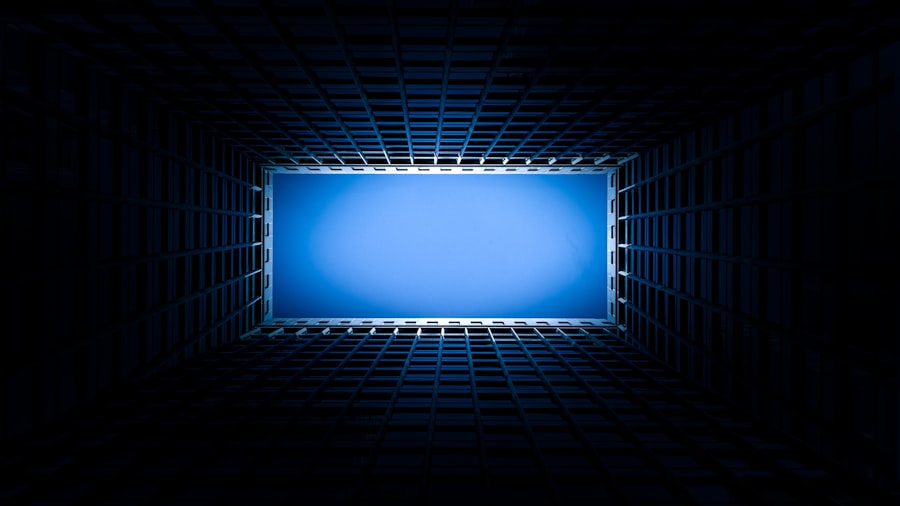
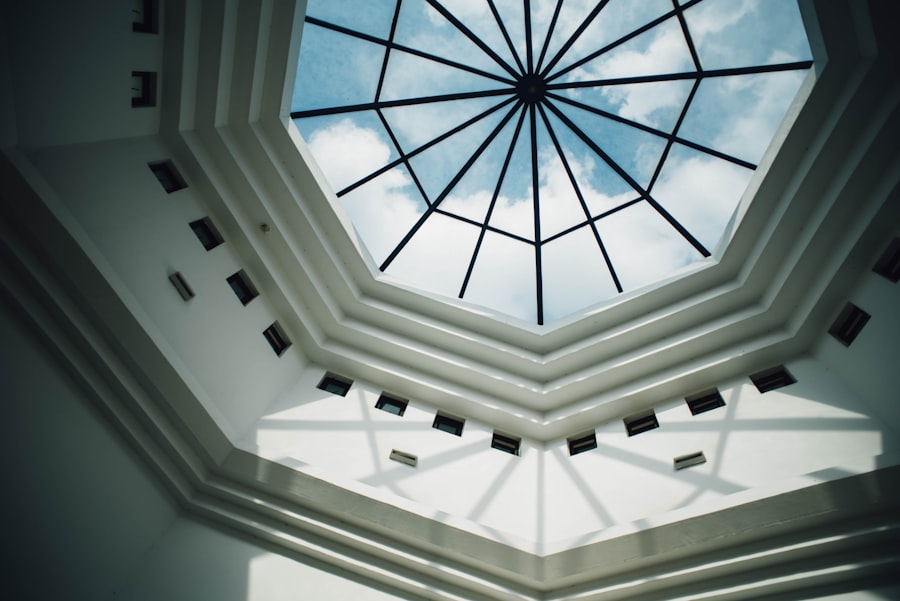
Skylights and sun tunnels are innovative solutions for introducing additional natural light into a home, especially in areas that may not have direct access to exterior walls or windows. Skylights are typically installed in roofs and can vary in size and shape, allowing for significant amounts of sunlight to flood into spaces like attics, hallways, or bathrooms. When properly positioned, skylights can transform dark areas into bright, inviting environments.
They also provide an opportunity to enjoy views of the sky and stars at night, adding an aesthetic dimension to their functional benefits. Sun tunnels, on the other hand, are designed to channel sunlight from the roof down into interior spaces through reflective tubing. These installations are particularly advantageous for rooms that lack direct access to windows but still require natural light.
For instance, a sun tunnel can illuminate a dark hallway or closet without the need for extensive renovations. Both skylights and sun tunnels can be equipped with features such as operable vents for ventilation or shades for controlling light intensity, making them versatile options for enhancing natural illumination.
Choosing Light-Reflective Surfaces and Materials
The choice of surfaces and materials within a home can significantly influence how light is perceived and distributed throughout a space. Light-reflective surfaces, such as glossy paint finishes or polished tiles, can amplify the effects of natural light by bouncing it around the room. For example, using high-gloss white paint on walls can create an illusion of brightness and spaciousness, making even smaller rooms feel more open and airy.
In addition to paint and flooring, furniture and decor choices also play a role in maximizing light reflection. Selecting furniture with glass or metallic finishes can contribute to a brighter atmosphere by reflecting light rather than absorbing it.
Mirrors are another powerful tool in this regard; strategically placing them across from windows or light sources can create a sense of depth while amplifying natural light. By thoughtfully considering the materials used throughout a home, homeowners can create an environment that feels more illuminated and welcoming.
Selecting Light-Colored Cabinetry and Fixtures
When it comes to cabinetry and fixtures, opting for lighter colors can have a profound impact on how much light is reflected within a space. Light-colored cabinetry—such as white, soft pastels, or light woods—can help to brighten kitchens and bathrooms while creating an illusion of openness. In contrast, dark cabinetry tends to absorb light, making spaces feel smaller and more confined.
By choosing lighter hues for cabinets and built-in storage solutions, homeowners can enhance the overall brightness of their interiors. Fixtures also play a crucial role in this equation. Selecting light-colored or metallic finishes for hardware—such as knobs, pulls, and faucets—can further contribute to a bright aesthetic.
Additionally, incorporating glass elements in fixtures—like pendant lights or chandeliers—can allow for greater light diffusion throughout a room. The combination of light-colored cabinetry and thoughtfully chosen fixtures creates a harmonious environment that maximizes natural illumination while maintaining an inviting atmosphere.
Utilizing Mirrors to Maximize Light Reflection
Mirrors are one of the most effective tools for enhancing natural light within a home. Their reflective surfaces can significantly amplify brightness by bouncing light around a room, creating an illusion of depth and space. Strategically placing mirrors across from windows or in areas that receive ample sunlight can help distribute that light more evenly throughout the space.
For instance, a large mirror positioned in a living room can reflect both natural light from outside and artificial lighting from within, resulting in a well-lit environment at all times of day. In addition to their functional benefits, mirrors also serve as decorative elements that can enhance the overall aesthetic of a room. They come in various styles, shapes, and sizes, allowing homeowners to choose pieces that complement their existing decor while also serving practical purposes.
A cluster of smaller mirrors arranged artfully on a wall can create visual interest while maximizing light reflection. By incorporating mirrors thoughtfully into their design scheme, homeowners can achieve both beauty and functionality in their quest for brighter living spaces.
Incorporating Window Treatments to Control Light
While maximizing natural light is often desirable, there are times when controlling that light becomes equally important. Window treatments play a vital role in this regard by allowing homeowners to manage how much sunlight enters their spaces throughout the day. Sheer curtains or lightweight blinds provide an excellent solution for diffusing harsh sunlight while still allowing ample illumination to filter through.
This approach not only enhances comfort but also protects furnishings from potential sun damage. On the other hand, blackout curtains or heavier drapes can be beneficial in bedrooms or media rooms where complete darkness is desired at certain times. The versatility of window treatments means that homeowners can customize their approach based on individual needs and preferences.
Layering different types of treatments—such as combining sheer curtains with heavier drapes—can provide both aesthetic appeal and functional flexibility. By thoughtfully selecting window treatments that balance light control with natural illumination, homeowners can create comfortable environments tailored to their lifestyles.
Incorporating Smart Lighting Solutions for Even More Illumination
In addition to harnessing natural light sources, integrating smart lighting solutions into home design offers an innovative way to enhance illumination throughout various spaces. Smart lighting systems allow homeowners to control brightness levels remotely via smartphones or voice-activated devices, providing flexibility in adjusting lighting according to specific needs or activities. For instance, during daylight hours when natural light is abundant, homeowners may choose to dim artificial lights; conversely, they can increase brightness during evening hours when additional illumination is necessary.
Moreover, smart lighting solutions often include features such as color temperature adjustments that mimic natural daylight patterns throughout the day. This capability not only enhances comfort but also supports circadian rhythms by promoting alertness during daytime hours and relaxation in the evening. Additionally, integrating motion sensors into smart lighting systems ensures that lights automatically turn on when someone enters a room and turn off when it’s empty—further optimizing energy efficiency while maintaining adequate illumination levels.
By combining these advanced technologies with thoughtful design choices focused on maximizing natural light sources, homeowners can create bright, inviting spaces that cater to both aesthetic preferences and practical needs. The integration of smart lighting solutions represents a forward-thinking approach to illumination that complements traditional methods while enhancing overall comfort and functionality within the home environment.
This can greatly enhance the overall atmosphere and aesthetic of your space. For more tips on how to elevate your home with thoughtful renovations, check out basement home theater installation. For more home improvement ideas and inspiration, visit ESG Builders Ltd.
FAQs
What is a plumbing overhaul gut renovation?
A plumbing overhaul gut renovation involves completely removing and replacing the plumbing system in a building, typically as part of a larger renovation project.
What does maximizing natural light during a renovation entail?
Maximizing natural light during a renovation involves strategically designing and positioning windows, skylights, and other openings to allow as much natural light into the space as possible.
Why is maximizing natural light important during a renovation?
Maximizing natural light during a renovation can help reduce the need for artificial lighting, improve the overall ambiance of the space, and even have potential health benefits for the occupants.
What are some strategies for maximizing natural light during a renovation?
Strategies for maximizing natural light during a renovation may include installing larger windows, adding skylights, using light-colored finishes, and removing obstacles that block light.
What are the benefits of a plumbing overhaul gut renovation in Brooklyn?
A plumbing overhaul gut renovation in Brooklyn can modernize the plumbing system, improve water efficiency, and address any existing issues such as leaks or outdated pipes.
How can I find a contractor for a plumbing overhaul gut renovation in Brooklyn?
To find a contractor for a plumbing overhaul gut renovation in Brooklyn, you can ask for recommendations from friends or family, search online for local contractors, and request quotes from multiple companies before making a decision.