
Establishing a budget is one of the most critical steps in any renovation project, as it lays the foundation for all subsequent decisions. A well-defined budget not only helps in managing finances but also serves as a guideline for what can realistically be achieved within the available resources. To begin, homeowners should assess their financial situation, taking into account savings, potential loans, and any other sources of funding.
It is advisable to create a detailed list of all anticipated expenses, including materials, labor, permits, and unexpected costs that may arise during the renovation process. This comprehensive approach ensures that no financial aspect is overlooked. Once a budget is established, prioritizing needs becomes essential.
Homeowners should distinguish between must-haves and nice-to-haves. For instance, if the renovation involves a kitchen remodel, essential upgrades might include replacing outdated appliances and improving storage solutions, while aesthetic enhancements like decorative backsplashes or high-end countertops could be considered secondary. By focusing on the most critical elements first, homeowners can ensure that their renovation meets their primary objectives without overspending.
This prioritization also allows for flexibility; if funds permit later on, additional features can be incorporated without derailing the entire project.
Key Takeaways
- Set a realistic budget and prioritize your needs to avoid overspending on unnecessary items.
- Research and hire a reputable contractor with a proven track record and positive references.
- Carefully design the layout and choose fixtures that suit your lifestyle and aesthetic preferences.
- Select durable and stylish materials that will stand the test of time and enhance the overall look of your space.
- Consider energy-efficient and eco-friendly options to reduce your environmental impact and save on utility costs.
Researching and Hiring a Reputable Contractor
Finding a reputable contractor is paramount to the success of any renovation project. The contractor will not only execute the work but also serve as a project manager, coordinating various aspects of the renovation. To begin this process, homeowners should seek recommendations from friends, family, or online platforms that specialize in contractor reviews.
It is crucial to compile a list of potential candidates and conduct thorough background checks. This includes verifying licenses, insurance coverage, and checking for any past complaints or legal issues. Once a shortlist is created, homeowners should schedule interviews with each contractor to discuss their vision and gauge their expertise.
During these meetings, it is beneficial to ask for references from previous clients and to review portfolios of completed projects. A reputable contractor will be transparent about their processes and timelines and will provide detailed estimates that break down costs. Additionally, it is wise to trust one’s instincts; effective communication and a good rapport with the contractor can significantly influence the overall experience.
A contractor who listens to the homeowner’s needs and offers constructive feedback is likely to deliver results that align with the homeowner’s vision.
Designing the Layout and Choosing Fixtures
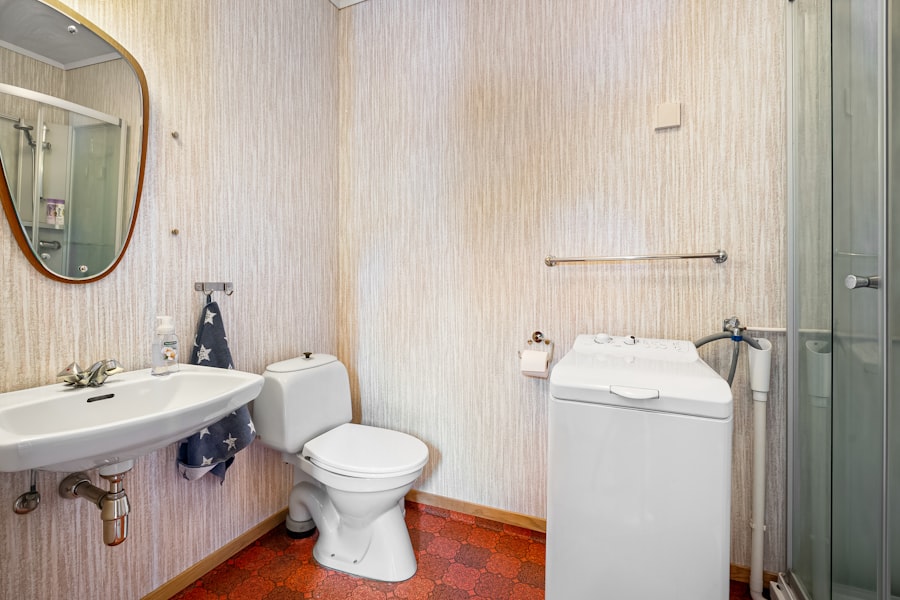
The design phase of a renovation is where creativity meets functionality. Homeowners must consider how they want to utilize the space effectively while ensuring that it meets their lifestyle needs.
Utilizing design software or consulting with an interior designer can help visualize different layouts and make informed decisions about spatial arrangements. Choosing fixtures is another critical aspect of the design process. Fixtures such as faucets, lighting, and cabinetry can significantly impact both aesthetics and functionality.
Homeowners should consider their personal style when selecting these elements; for instance, modern fixtures may suit a contemporary kitchen, while vintage-inspired options could enhance a more traditional space. It is also essential to think about practicality—selecting fixtures that are easy to maintain and durable will ensure that they stand the test of time. Balancing style with functionality will create a cohesive look that enhances the overall appeal of the renovated space.
Selecting Durable and Stylish Materials
The choice of materials plays a pivotal role in determining the longevity and visual appeal of a renovation project. Homeowners should prioritize durability without compromising on style. For instance, when selecting flooring materials, options like porcelain tiles or engineered hardwood offer both resilience and aesthetic versatility.
These materials can withstand daily wear and tear while providing an attractive finish that complements the overall design theme. In addition to flooring, countertops are another area where material selection is crucial. Granite and quartz are popular choices due to their durability and low maintenance requirements.
They not only add elegance to kitchens and bathrooms but also resist scratches and stains effectively. When selecting materials, it is beneficial to consider the climate and environment as well; for example, moisture-resistant materials are essential in areas prone to humidity or water exposure. By investing in high-quality materials that align with both style preferences and practical needs, homeowners can ensure that their renovations remain beautiful and functional for years to come.
Considering Energy-Efficient and Eco-Friendly Options
In today’s environmentally conscious world, incorporating energy-efficient and eco-friendly options into renovations has become increasingly important. Homeowners should consider installing energy-efficient appliances that consume less power while providing the same level of performance as traditional models. For example, Energy Star-rated refrigerators and dishwashers not only reduce energy bills but also contribute to a smaller carbon footprint.
Additionally, eco-friendly building materials can significantly enhance the sustainability of a renovation project. Options such as reclaimed wood, bamboo flooring, or recycled glass tiles not only reduce waste but also add unique character to spaces. Homeowners might also explore insulation options that improve energy efficiency by reducing heating and cooling costs.
By integrating these sustainable practices into their renovations, homeowners can create spaces that are not only stylish but also environmentally responsible.
Creating a Timeline and Sticking to It

Establishing a realistic timeline is essential for keeping a renovation project on track. Homeowners should begin by outlining all phases of the project—from initial planning through to completion—and estimate how long each stage will take.
Once a timeline is established, it is crucial to adhere to it as closely as possible while remaining flexible for adjustments when necessary. Regular check-ins with contractors can help ensure that progress aligns with the planned schedule. If delays occur, homeowners should communicate openly with their contractors to understand the reasons behind them and adjust expectations accordingly.
A well-managed timeline not only helps in maintaining momentum throughout the renovation but also minimizes stress for everyone involved.
Communicating with Neighbors and Building Management
Effective communication with neighbors and building management is often overlooked but can significantly impact the renovation experience. Homeowners should inform neighbors about upcoming renovations well in advance, especially if construction noise or disruptions are expected. A simple letter or face-to-face conversation can go a long way in fostering goodwill and understanding among neighbors.
In multi-unit buildings or communities with specific regulations, it is essential to consult with building management before commencing any work. Many buildings have rules regarding construction hours, noise levels, and types of permissible renovations. By adhering to these guidelines and maintaining open lines of communication with both neighbors and management, homeowners can mitigate potential conflicts and ensure a smoother renovation process.
Planning for Unexpected Issues and Contingencies
No renovation project is without its challenges; therefore, planning for unexpected issues is crucial for success. Homeowners should set aside a contingency fund—typically around 10-20% of the total budget—to address unforeseen expenses that may arise during construction. This could include anything from discovering hidden water damage behind walls to needing additional structural support.
Moreover, having a proactive mindset can help homeowners navigate challenges more effectively when they arise. It is beneficial to maintain open communication with contractors throughout the project so that any issues can be addressed promptly rather than allowing them to escalate into larger problems. By anticipating potential setbacks and having strategies in place to manage them, homeowners can ensure that their renovation journey remains as smooth as possible despite any bumps along the way.
If you’re looking for more information on bathroom renovations in Brooklyn, be sure to check out the blog section on ESG Builders Ltd’s website. One article that may be of interest is “5 Common Mistakes to Avoid During a Bathroom Renovation.” This article provides valuable insights on how to navigate the renovation process smoothly and avoid costly mistakes. You can read the full article here. ESG Builders Ltd is a reputable company with years of experience in the industry, making them a reliable source for all your renovation needs.
FAQs
What is a bathroom gut renovation?
A bathroom gut renovation involves completely stripping the bathroom down to the studs and starting from scratch. This typically includes removing all fixtures, flooring, walls, and sometimes even the ceiling.
What are some important factors to consider when planning a bathroom gut renovation in Brooklyn?
Some important factors to consider when planning a bathroom gut renovation in Brooklyn include budget, timeline, necessary permits, hiring a reputable contractor, and selecting high-quality materials.
How long does a bathroom gut renovation typically take?
The timeline for a bathroom gut renovation can vary depending on the size of the bathroom, the extent of the renovation, and any unforeseen issues that may arise. However, a typical bathroom gut renovation can take anywhere from 4 to 6 weeks to complete.
What are some popular design trends for bathroom renovations in Brooklyn?
Some popular design trends for bathroom renovations in Brooklyn include using natural materials such as marble and wood, incorporating smart technology, creating a spa-like atmosphere, and maximizing storage space.
What are some common challenges that homeowners face during a bathroom gut renovation?
Some common challenges that homeowners may face during a bathroom gut renovation include staying within budget, dealing with unexpected structural issues, and making design decisions that will stand the test of time.
How can homeowners ensure a successful bathroom gut renovation in Brooklyn?
Homeowners can ensure a successful bathroom gut renovation in Brooklyn by thoroughly researching and planning the project, hiring a reputable contractor, obtaining the necessary permits, and being actively involved in the decision-making process.