
Investing in property renovations is a strategic move that can significantly enhance the overall value of a real estate asset. When homeowners or property investors undertake renovations, they are not merely updating aesthetics; they are also making a financial investment that can yield substantial returns. For instance, kitchen and bathroom remodels are often cited as the most effective renovations for increasing property value.
According to the National Association of Realtors, a minor kitchen remodel can recoup about 80% of its cost upon resale, while a bathroom addition can return approximately 60% of the investment. These figures underscore the importance of focusing on high-impact areas that potential buyers prioritize. Moreover, the real estate market is influenced by trends and buyer preferences, which can shift over time.
For example, homes equipped with smart technology—such as programmable thermostats, security systems, and energy-efficient appliances—are increasingly appealing to tech-savvy buyers. By investing in these upgrades, property owners can position their assets favorably in a competitive market, ensuring that they not only retain value but also appreciate over time.
Key Takeaways
- Increasing property value is a key benefit of making upgrades to a property.
- Modernizing outdated features can attract higher quality tenants and increase property value.
- Customization and personalization can enhance livability and comfort for tenants.
- Energy efficiency and sustainability upgrades can lead to long-term cost savings for property owners.
- Improved functionality and layout can make a property more attractive to potential tenants.
Modernizing Outdated Features
Modernizing outdated features is essential for maintaining a property’s appeal in an ever-evolving market. Many homes built several decades ago may still possess original fixtures, outdated layouts, and antiquated materials that do not meet contemporary standards or preferences. For instance, homes with popcorn ceilings, old-fashioned wallpaper, or dated cabinetry can feel stale and uninviting to potential buyers or renters.
By removing these outdated elements and replacing them with modern finishes—such as sleek cabinetry, quartz countertops, and open-concept layouts—property owners can create spaces that resonate with current design trends. Additionally, modernizing features extends beyond mere aesthetics; it also encompasses functionality and safety. For example, upgrading electrical systems to accommodate modern appliances and technology is crucial for both safety and convenience.
Homes with insufficient electrical capacity may struggle to support multiple devices, leading to potential hazards. By investing in electrical upgrades, property owners not only enhance the livability of their spaces but also ensure compliance with current building codes, which can be a significant selling point for prospective buyers.
Customization and Personalization
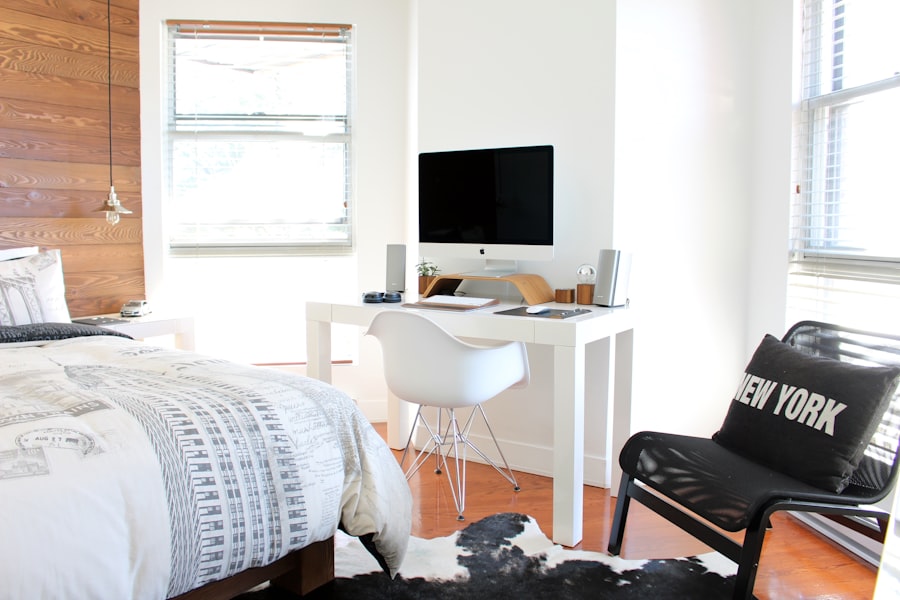
Customization and personalization are key elements that can transform a generic property into a unique home tailored to individual tastes and lifestyles. Homeowners often seek to create spaces that reflect their personalities and meet their specific needs. This desire for personalization can manifest in various ways, from selecting paint colors and flooring materials to designing custom cabinetry and built-in shelving.
By allowing for customization during renovations, property owners can create environments that resonate with their occupants on a deeper level. Furthermore, personalized spaces can significantly enhance the emotional connection between residents and their homes. For instance, creating a dedicated home office or a cozy reading nook can cater to specific lifestyle needs, making the property more functional and enjoyable.
In rental properties, offering tenants the option to customize certain aspects—such as paint colors or landscaping—can lead to longer lease agreements and increased tenant satisfaction. This approach not only fosters a sense of ownership but also encourages tenants to take better care of the property, ultimately benefiting the landlord.
Energy Efficiency and Sustainability
In today’s environmentally conscious society, energy efficiency and sustainability have become paramount considerations for homeowners and investors alike. Renovations that prioritize energy-efficient upgrades not only reduce utility costs but also appeal to a growing demographic of eco-minded buyers. For example, installing energy-efficient windows can significantly decrease heating and cooling costs while enhancing indoor comfort.
Similarly, upgrading insulation and sealing air leaks can improve a home’s energy performance, making it more attractive in a competitive market. Sustainable practices extend beyond energy efficiency; they also encompass the use of eco-friendly materials and construction methods. Homeowners can opt for sustainable flooring options like bamboo or reclaimed wood, which not only reduce environmental impact but also add unique character to the space.
Additionally, incorporating renewable energy sources—such as solar panels—can further enhance a property’s appeal while providing long-term savings on energy bills. As consumers increasingly prioritize sustainability in their purchasing decisions, properties that showcase these features are likely to stand out in the marketplace.
Improved Functionality and Layout
The functionality and layout of a property play a crucial role in its overall livability and appeal. Many older homes feature compartmentalized layouts that may not suit modern lifestyles characterized by open spaces and multifunctional areas. By reconfiguring layouts—such as removing non-load-bearing walls to create open-concept living areas—property owners can enhance the flow of natural light and improve the overall ambiance of the space.
This transformation not only makes the home feel larger but also fosters social interaction among family members and guests. Moreover, improved functionality often involves incorporating smart storage solutions that maximize space utilization. For instance, adding built-in shelving or utilizing under-stair storage can help declutter living areas while providing practical solutions for everyday needs.
In kitchens, incorporating islands with additional storage or seating can create multifunctional spaces that serve as cooking areas, dining spots, or homework hubs for children. These thoughtful renovations not only elevate the property’s aesthetic appeal but also enhance its usability, making it more attractive to potential buyers or renters.
Attracting Higher Quality Tenants

Enhancing Aesthetics and Functionality
For property owners, attracting high-quality tenants is crucial for ensuring consistent income and minimizing turnover rates. Renovations that improve both the appearance and functionality of a property can significantly increase its appeal to potential renters. For instance, modern kitchens equipped with stainless steel appliances and updated bathrooms with contemporary fixtures are more likely to attract tenants willing to pay premium rents.
Creating Inviting Outdoor Spaces
In addition to interior renovations, creating inviting outdoor spaces can further enhance a property’s appeal. Many tenants prioritize outdoor living areas for relaxation or entertaining guests, making these features valuable selling points during the rental process. Landscaped gardens or patios can be particularly attractive to potential renters.
Long-Term Benefits for Property Owners
By investing in renovations that cater to tenant preferences, property owners can not only attract higher quality tenants but also foster longer lease agreements, reducing vacancy rates and associated costs. This approach can lead to a more stable and profitable rental income stream over time.
Long-Term Cost Savings
While renovations often require an upfront investment, they can lead to significant long-term cost savings for property owners. Energy-efficient upgrades—such as installing high-efficiency HVAC systems or tankless water heaters—can drastically reduce utility bills over time. For instance, according to the U.S.
Department of Energy, homeowners can save between 20% to 50% on heating costs by upgrading insulation and sealing air leaks. These savings accumulate over the years, ultimately offsetting the initial renovation costs. Moreover, properties that are well-maintained and updated tend to require fewer repairs over time.
By addressing issues such as plumbing leaks or outdated electrical systems during renovations, property owners can prevent more significant problems from arising in the future.
Enhanced Livability and Comfort
Ultimately, renovations serve to enhance the livability and comfort of a property for its occupants. A well-designed space that prioritizes comfort can significantly improve the quality of life for residents. For example, incorporating natural light through larger windows or skylights can create an uplifting atmosphere that positively impacts mood and well-being.
Additionally, thoughtful design elements—such as soundproofing between rooms or installing high-quality flooring—can contribute to a more serene living environment. Furthermore, creating spaces that cater to specific lifestyle needs—such as home offices for remote workers or playrooms for families—can greatly enhance the overall experience of living in a property. By considering the unique needs of occupants during renovations, property owners can create environments that foster happiness and satisfaction.
This focus on livability not only benefits current residents but also positions the property favorably in the market for future buyers or renters who prioritize comfort in their living spaces.
If you are considering a gut renovation for your apartment in Brooklyn, you may also be interested in learning about cutting-edge innovations in hardware technology. This article discusses how advancements in hardware technology can enhance the functionality and aesthetics of your renovated space. Check out the article here to discover how incorporating these innovations can make your investment even more worthwhile.
FAQs
What is apartment gut renovation?
Apartment gut renovation involves completely stripping down the interior of an apartment and rebuilding it from scratch, including the walls, floors, plumbing, and electrical systems.
Why is apartment gut renovation worth the investment in Brooklyn?
Apartment gut renovation in Brooklyn is worth the investment because it can significantly increase the value of the property, improve the living space, and allow for customization to meet the specific needs and preferences of the owner.
What are the benefits of apartment gut renovation in Brooklyn?
The benefits of apartment gut renovation in Brooklyn include increased property value, improved functionality and aesthetics, updated infrastructure, and the opportunity to create a personalized living space.
What are the potential challenges of apartment gut renovation in Brooklyn?
Challenges of apartment gut renovation in Brooklyn may include obtaining necessary permits, adhering to building codes and regulations, managing the renovation process, and dealing with unexpected issues that may arise during the renovation.
How can one ensure a successful apartment gut renovation in Brooklyn?
To ensure a successful apartment gut renovation in Brooklyn, it is important to work with experienced professionals, carefully plan the renovation process, set a realistic budget, and communicate effectively with contractors and designers.