
Before embarking on a bathroom renovation, it is crucial to conduct a thorough assessment of your current space. This evaluation should encompass not only the aesthetic aspects but also the functional elements of the bathroom. Begin by examining the layout: is it efficient, or does it feel cramped?
Take note of the plumbing fixtures, cabinetry, and flooring. Are there any signs of water damage, mold, or outdated materials that could pose a risk to your health or the integrity of your home? Identifying these issues early on can save you from costly repairs later.
Additionally, consider how your bathroom meets your current needs. For instance, if you have a growing family, you might require additional storage or a larger vanity. Alternatively, if you are downsizing or transitioning to a more minimalist lifestyle, you may want to simplify the space.
Take measurements of the existing fixtures and layout to understand what can be retained and what needs to be replaced. This assessment will serve as a foundation for your renovation plans, ensuring that the final design aligns with both your practical requirements and aesthetic preferences.
Key Takeaways
- Assess your current bathroom to identify any issues or areas for improvement
- Set a budget to determine how much you can afford to spend on the renovation
- Research and hire a contractor with a good reputation and experience in bathroom renovations
- Choose the right materials and fixtures that fit your budget and design preferences
- Consider the resale value of your renovation choices to ensure a good return on investment
Set a Budget
Establishing a budget is one of the most critical steps in any renovation project. A well-defined budget not only helps you manage your finances but also guides your decisions throughout the renovation process. Begin by determining how much you can realistically afford to spend.
This figure should include not just the cost of materials and labor but also a contingency fund for unexpected expenses that may arise during the project. A common recommendation is to set aside an additional 10-20% of your total budget for unforeseen issues. Once you have a clear budget in mind, break it down into specific categories such as labor, materials, fixtures, and permits.
This detailed allocation will help you prioritize your spending and make informed choices about where to splurge and where to save. For example, you might decide to invest in high-quality plumbing fixtures while opting for more affordable tiles. By being strategic about your budget, you can achieve a beautiful and functional bathroom without breaking the bank.
Research and Hire a Contractor
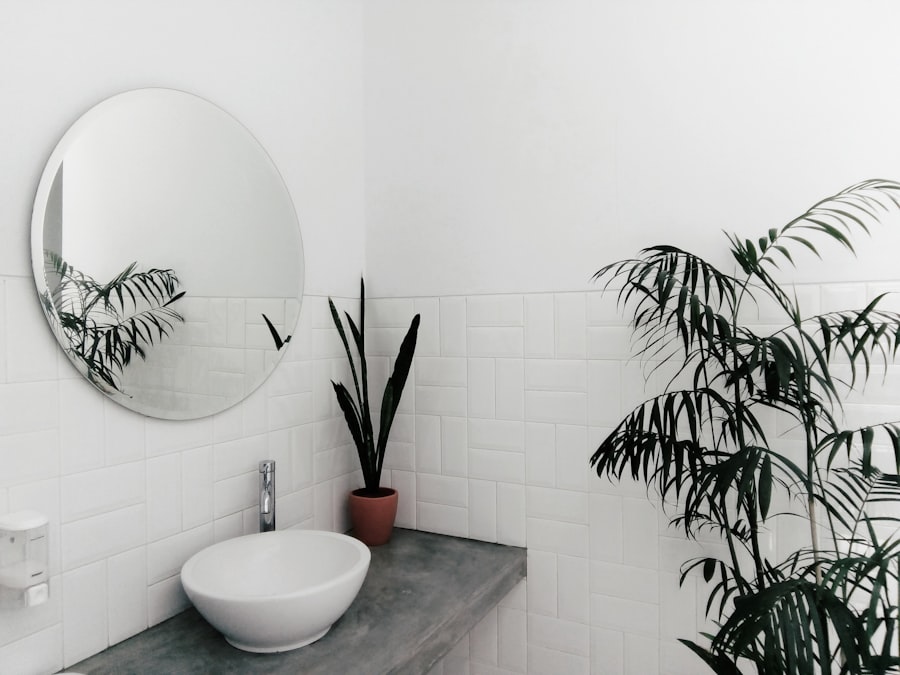
Finding the right contractor is essential for a successful bathroom renovation. Start by conducting thorough research to identify potential candidates in your area. Look for contractors who specialize in bathroom renovations and have a solid reputation within the community.
Online reviews, testimonials, and referrals from friends or family can provide valuable insights into a contractor’s reliability and quality of work. Once you have a shortlist of potential contractors, schedule interviews to discuss your project in detail. During these meetings, ask about their experience with similar renovations, their approach to project management, and their timeline for completion.
It’s also important to inquire about licensing and insurance to ensure that you are protected throughout the renovation process. After gathering all necessary information, request detailed quotes from each contractor. This will allow you to compare not only costs but also the scope of work included in each proposal.
Choose the Right Materials and Fixtures
Selecting materials and fixtures is one of the most exciting yet challenging aspects of a bathroom renovation. The choices you make will significantly impact both the functionality and aesthetic appeal of the space. Start by considering the overall style you wish to achieve—whether it’s modern, traditional, or somewhere in between—and select materials that align with that vision.
For instance, if you prefer a contemporary look, sleek porcelain tiles and minimalist fixtures may be ideal. When choosing materials, durability should be a top priority. Bathrooms are high-moisture environments, so opt for water-resistant materials such as ceramic tiles or natural stone for flooring and walls.
Additionally, consider the maintenance requirements of different materials; some may require regular sealing or special cleaning products. Fixtures also play a crucial role in both functionality and style. Invest in high-quality faucets and showerheads that not only enhance the visual appeal but also offer reliable performance over time.
By carefully selecting materials and fixtures that balance aesthetics with practicality, you can create a bathroom that stands the test of time.
Consider the Resale Value
While personal preferences are important in any renovation project, it’s wise to consider how your choices will affect the resale value of your home. Bathrooms are one of the key areas potential buyers focus on when evaluating a property, so investing in features that appeal to a broad audience can pay off in the long run. For example, opting for classic designs and neutral color palettes can make your bathroom more attractive to prospective buyers.
Additionally, consider incorporating features that are currently in demand, such as double vanities or walk-in showers. These elements not only enhance functionality but also add value to your home. However, be cautious about over-personalizing your space; unique design choices may not resonate with everyone and could deter potential buyers.
Striking a balance between personal style and market trends will help ensure that your renovation adds value while still reflecting your tastes.
Create a Functional and Stylish Design

Designing a bathroom that is both functional and stylish requires careful planning and consideration of various elements. Start by creating a layout that maximizes space while ensuring ease of movement. For smaller bathrooms, consider space-saving solutions such as wall-mounted vanities or corner sinks that free up floor space without sacrificing style.
In larger bathrooms, think about creating distinct zones for bathing, grooming, and storage to enhance functionality. In terms of aesthetics, pay attention to color schemes, textures, and lighting. A cohesive color palette can create a serene atmosphere while adding visual interest through contrasting textures—such as pairing smooth tiles with rustic wood accents.
Lighting is another critical component; consider layering different types of lighting—ambient, task, and accent—to create a well-lit space that is both inviting and practical. By thoughtfully combining functionality with stylish design elements, you can create a bathroom that meets your needs while also serving as a beautiful retreat.
Plan for Proper Ventilation and Lighting
Proper ventilation and lighting are essential components of any successful bathroom renovation. Bathrooms are prone to moisture buildup due to showers and baths, which can lead to mold growth and damage over time if not adequately addressed. Installing an effective ventilation system is crucial; consider options such as exhaust fans that can be timed or humidity-sensing models that automatically activate when moisture levels rise.
Additionally, ensure that windows are strategically placed to allow natural light while providing adequate airflow. Lighting plays an equally important role in creating a functional bathroom environment. A well-lit space enhances safety while also contributing to the overall ambiance.
Incorporate multiple light sources to achieve balanced illumination; overhead lighting can provide general brightness while sconces or pendant lights near mirrors offer focused task lighting for grooming activities. Dimmers can also be beneficial, allowing you to adjust lighting levels based on time of day or mood. By prioritizing ventilation and lighting in your design plan, you can create a healthier and more enjoyable bathroom experience.
Consider Energy Efficiency and Sustainability
In today’s environmentally conscious world, incorporating energy-efficient and sustainable practices into your bathroom renovation is not only responsible but can also lead to long-term savings on utility bills. Start by selecting water-efficient fixtures such as low-flow toilets and faucets that reduce water consumption without sacrificing performance. These fixtures are designed to conserve water while still providing adequate pressure for everyday use.
Additionally, consider using sustainable materials for your renovation project. Look for products made from recycled or rapidly renewable resources—such as bamboo flooring or recycled glass tiles—that minimize environmental impact while adding unique character to your space. Energy-efficient lighting options like LED bulbs not only reduce electricity usage but also have a longer lifespan compared to traditional incandescent bulbs.
By prioritizing energy efficiency and sustainability in your bathroom renovation, you contribute positively to the environment while enhancing the overall value of your home.
If you’re looking to remodel your bathroom in Brooklyn, you may also be interested in reading about top architectural trends to inspire your next project. This article can provide you with some fresh ideas and inspiration for your bathroom remodel, helping you create a space that is both stylish and functional. Additionally, you may want to check out clever remodeling techniques for maximizing space in your bathroom, as well as visit a hardware store for all the tools and materials you’ll need for your project.
FAQs
What are the key factors to consider when planning a bathroom remodel in Brooklyn?
When planning a bathroom remodel in Brooklyn, it is important to consider the layout, functionality, and style of the space. Additionally, it is crucial to take into account the building codes and regulations in Brooklyn, as well as the budget and timeline for the project.
What are some popular design trends for bathroom remodels in Brooklyn?
Some popular design trends for bathroom remodels in Brooklyn include using natural materials such as marble and wood, incorporating smart technology for energy efficiency and convenience, and creating a spa-like atmosphere with features such as rainfall showerheads and freestanding tubs.
How can I maximize the resale value of my Brooklyn bathroom remodel?
To maximize the resale value of a bathroom remodel in Brooklyn, it is important to focus on timeless and high-quality materials, such as marble or quartz countertops and porcelain or ceramic tiles. Additionally, incorporating energy-efficient fixtures and modern amenities can appeal to potential buyers and increase the overall value of the home.
What are some common challenges to consider when remodeling a bathroom in Brooklyn?
Common challenges when remodeling a bathroom in Brooklyn include working within the constraints of a small space, navigating the building codes and regulations, and coordinating with building management or co-op boards if applicable. Additionally, sourcing materials and hiring reputable contractors can also be challenging in a competitive market like Brooklyn.
How can I find reputable contractors for my Brooklyn bathroom remodel?
To find reputable contractors for a bathroom remodel in Brooklyn, it is important to ask for recommendations from friends, family, or neighbors who have recently completed similar projects. Additionally, researching online reviews and checking credentials such as licenses and insurance can help ensure that the chosen contractor is reliable and experienced.