
In the realm of design and construction, professional expertise serves as the cornerstone of successful projects. Engaging with professionals who possess specialized knowledge and experience can significantly influence the outcome of any endeavor, whether it be residential or commercial. These experts bring a wealth of understanding about design principles, construction techniques, and project management that is often unattainable for the average homeowner or business owner.
Their ability to navigate complex challenges and foresee potential issues can save clients from costly mistakes and delays. Moreover, professional designers and architects are well-versed in the latest trends and technologies within their field. They continuously update their skills and knowledge to remain competitive, ensuring that they can offer innovative solutions that align with contemporary aesthetics and functionality.
This expertise not only enhances the quality of the design but also ensures that the final product meets the evolving needs of users. By leveraging their professional insight, clients can achieve results that are not only visually appealing but also practical and sustainable.
Key Takeaways
- Professional expertise is crucial for successful interior design projects
- Tailored design solutions ensure that the client’s needs and preferences are met
- Access to quality products and materials guarantees a high standard of work
- Knowledge of local building codes and regulations ensures compliance and safety
- Efficient space planning maximizes the functionality of the space
- Seamless project management ensures that the project runs smoothly and on schedule
- Personalized customer service creates a positive and collaborative experience
- Enhanced aesthetics and functionality improve the overall quality of the space
- Cost-effective solutions help clients achieve their design goals within budget
- Industry connections and resources provide access to the best products and services
- Increased home value is a result of professional interior design services
Tailored Design Solutions
Personalized Approach
Unlike generic designs, a professional designer takes the time to understand the client’s vision, lifestyle, and functional needs. This approach allows for the development of unique spaces that reflect the client’s personality while optimizing usability.
Customization for Specific Needs
For instance, a family with young children may require a design that prioritizes safety and durability, while a couple of empty nesters might seek a more sophisticated aesthetic with low maintenance. A skilled designer will consider these factors and incorporate them into the design process, ensuring that every element serves a purpose.
Enhanced Satisfaction and Connection
This level of customization not only enhances satisfaction but also fosters a deeper connection between the occupants and their environment.
Access to Quality Products and Materials
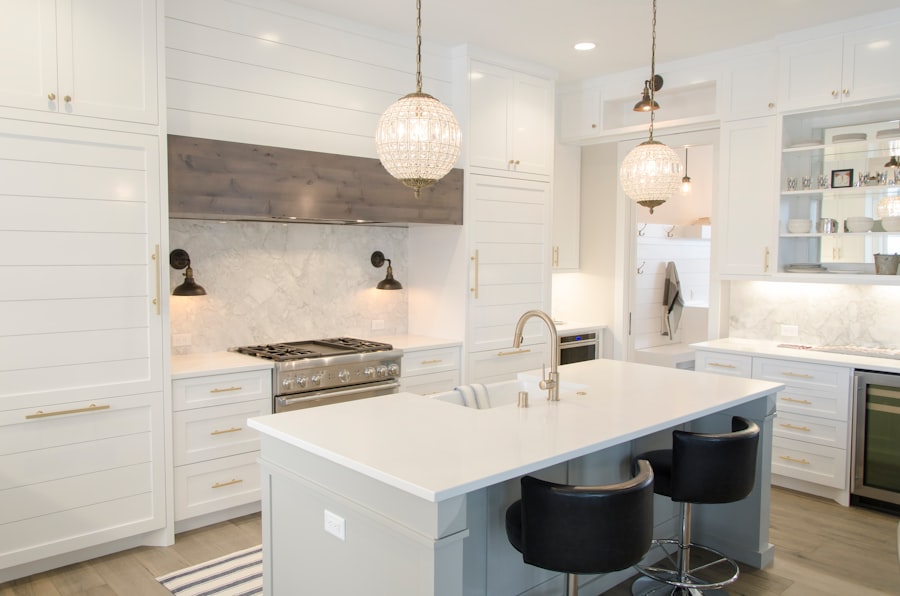
Professional designers have established relationships with suppliers and manufacturers, granting them access to high-quality products and materials that may not be available to the general public. This access is crucial in ensuring that every aspect of a project meets the highest standards of quality and durability. From flooring to fixtures, professionals can source materials that are not only aesthetically pleasing but also built to last.
Additionally, these experts are knowledgeable about the various options available in the market, including sustainable and eco-friendly materials. They can guide clients toward choices that align with their values while also enhancing the overall design. For example, a designer might recommend reclaimed wood for flooring or energy-efficient appliances for a kitchen remodel, thereby contributing to both environmental sustainability and long-term cost savings.
Efficient Space Planning
Effective space planning is essential for maximizing functionality in any design project. Professionals possess a keen understanding of spatial relationships and can create layouts that optimize flow and usability. They consider factors such as traffic patterns, natural light, and zoning regulations to develop spaces that are not only beautiful but also practical.
For example, in a small apartment, a designer might employ multi-functional furniture to make the most of limited square footage. By integrating built-in storage solutions or selecting pieces that serve dual purposes, they can create an environment that feels spacious and organized. This level of thoughtful planning is often beyond the capabilities of individuals without formal training, making professional input invaluable in achieving an efficient layout.
Knowledge of Local Building Codes and Regulations
Navigating local building codes and regulations can be a daunting task for anyone unfamiliar with the intricacies of construction law. Professional designers and architects are well-acquainted with these requirements, ensuring that projects comply with all necessary standards. This knowledge is crucial for avoiding legal complications and ensuring the safety of occupants.
For instance, when designing a new home or renovation, professionals will consider zoning laws, structural integrity requirements, and safety codes related to electrical and plumbing systems. Their expertise helps streamline the permitting process, reducing delays and potential fines associated with non-compliance. By entrusting these responsibilities to knowledgeable professionals, clients can focus on their vision while resting assured that all legal aspects are being handled appropriately.
Seamless Project Management

The complexity of design projects often necessitates effective project management to ensure timely completion within budget constraints. Professional designers typically possess strong project management skills, allowing them to coordinate various aspects of a project efficiently. They act as liaisons between clients, contractors, suppliers, and other stakeholders, facilitating communication and collaboration throughout the process.
A well-managed project minimizes disruptions and keeps everyone on track. For example, if a delay occurs in material delivery, a professional can quickly adjust timelines and communicate changes to all parties involved. Their ability to anticipate challenges and implement solutions ensures that projects progress smoothly from conception to completion.
Personalized Customer Service
Personalized customer service is a hallmark of professional design firms. From the initial consultation to project completion, clients receive dedicated attention tailored to their specific needs. This relationship-building aspect fosters trust and open communication, allowing clients to express their ideas and concerns freely.
Design professionals often take the time to listen actively to their clients’ desires while providing expert guidance based on their experience. This collaborative approach ensures that clients feel valued throughout the process, resulting in designs that truly reflect their vision. Furthermore, ongoing support after project completion demonstrates a commitment to client satisfaction, reinforcing long-term relationships that can lead to future collaborations.
Enhanced Aesthetics and Functionality
The intersection of aesthetics and functionality is where professional design truly shines. Skilled designers understand how to balance beauty with practicality, creating spaces that are not only visually stunning but also serve their intended purpose effectively. They employ principles of design such as proportion, scale, color theory, and texture to craft environments that evoke emotion while meeting functional needs.
For example, in a commercial setting like a restaurant, a designer might create an inviting atmosphere through thoughtful lighting choices and color palettes while ensuring that the layout facilitates efficient service flow for staff. In residential projects, this could translate into creating cozy yet functional living spaces that encourage family interaction while accommodating individual activities. The result is an environment where aesthetics enhance daily life rather than detract from it.
Cost-Effective Solutions
While some may perceive hiring a professional designer as an added expense, it often proves to be a cost-effective solution in the long run. Professionals bring expertise that can prevent costly mistakes during the design and construction phases.
Moreover, by implementing efficient designs that maximize space utilization and energy efficiency, professionals help clients save on utility bills over time. For instance, incorporating energy-efficient windows or appliances may require an upfront investment but will yield substantial savings on energy costs in the years to come. Ultimately, engaging with professionals can lead to better financial outcomes by ensuring that every dollar spent contributes meaningfully to the overall project.
Industry Connections and Resources
The design industry thrives on connections and resources that professionals cultivate over time. These relationships extend beyond suppliers; they include contractors, engineers, artisans, and other specialists who contribute to successful projects. When clients work with experienced designers, they gain access to this network of trusted professionals who can enhance the quality of work delivered.
For example, if a designer needs custom cabinetry for a kitchen remodel, they can tap into their network to find skilled craftsmen who produce high-quality work at reasonable prices. This access not only streamlines the procurement process but also ensures that clients receive top-notch services from reputable sources. The ability to leverage these connections often results in superior outcomes compared to working independently without such resources.
Increased Home Value
Investing in professional design services can significantly increase property value over time. Well-designed spaces tend to attract potential buyers by showcasing functionality and aesthetic appeal. Features such as open floor plans, modern kitchens, and well-executed landscaping can elevate a property’s marketability.
Furthermore, homes that adhere to current design trends often command higher prices in competitive real estate markets. Professional designers stay informed about these trends and can implement features that resonate with buyers’ preferences. For instance, incorporating smart home technology or sustainable materials can make a property more attractive in today’s environmentally conscious market.
Ultimately, engaging with design professionals not only enhances immediate living conditions but also serves as a strategic investment in future property value.
Working with a certified kitchen designer in Brooklyn can truly be a game changer when it comes to remodeling your home. Not only will they bring expertise and creativity to the table, but they will also ensure that your kitchen is both functional and aesthetically pleasing. In fact, following a step-by-step remodeling guide like the one provided by ESG Builders Ltd in their article “Room by Room: Step by Step Remodeling Guides” can help you navigate the process smoothly. Additionally, if you’re looking to transform your basement into a functional living space, ESG Builders Ltd also offers professional basement remodeling services as highlighted in their article “Transforming Houses into Personal Sanctuaries”.
FAQs
What is a certified kitchen designer?
A certified kitchen designer is a professional who has completed specific education and training in kitchen design and has passed a certification exam. They have the knowledge and expertise to create functional and aesthetically pleasing kitchen spaces.
What are the benefits of working with a certified kitchen designer?
Working with a certified kitchen designer can result in a more efficient and well-designed kitchen space. They can help maximize the use of space, provide innovative design solutions, and ensure that the kitchen meets safety and building code requirements.
How can a certified kitchen designer help with the design process?
A certified kitchen designer can assist with space planning, material selection, and layout design. They can also provide guidance on choosing the right appliances, fixtures, and finishes to create a cohesive and functional kitchen design.
What qualifications does a certified kitchen designer have?
Certified kitchen designers have completed formal education and training in kitchen design, have a certain amount of professional experience, and have passed a certification exam administered by a recognized organization, such as the National Kitchen and Bath Association (NKBA).
How can I find a certified kitchen designer in Brooklyn?
You can find certified kitchen designers in Brooklyn by searching online directories, asking for referrals from friends or family, or contacting local design associations for recommendations. It’s important to verify their certification and check their portfolio before hiring.