
When considering the installation of a kitchen island, the first step is to assess the available space in your kitchen. This involves not only measuring the dimensions of the area where the island will be placed but also evaluating the overall layout of the kitchen. A well-planned kitchen island should enhance the functionality of the space, providing additional storage, prep area, and seating without obstructing movement or workflow.
It is essential to ensure that there is adequate clearance around the island for easy access to appliances and cabinets. A common guideline is to allow at least 42 to 48 inches of space between the island and surrounding countertops or cabinetry, which facilitates smooth traffic flow.
This includes assessing the proximity to plumbing and electrical sources, as these will significantly influence the design and functionality of the island.
Furthermore, consider how the island will complement your kitchen’s aesthetic.
The choice of materials, colors, and finishes should harmonize with the overall design theme of your kitchen, whether it be modern, rustic, or traditional.
Key Takeaways
- Proper planning is essential for a successful kitchen island installation, including assessing the space and ensuring proper ventilation for plumbing.
- Understanding the plumbing requirements for your kitchen island is crucial, as it may involve relocating existing plumbing lines or adding new ones.
- Choosing the right plumbing fixtures for your kitchen island is important for both functionality and aesthetics, so consider your needs and design preferences.
- Hiring a professional plumber for your kitchen island installation is highly recommended to ensure the job is done correctly and to code.
- Budgeting for plumbing costs in your kitchen island installation is necessary, so be sure to factor in the cost of materials and labor.
Understanding the Plumbing Requirements for Your Kitchen Island
Plumbing requirements for a kitchen island can vary significantly based on its intended use. If your island will feature a sink or a cooktop, understanding the plumbing needs becomes paramount. For a sink installation, you will require both hot and cold water supply lines, as well as a drain line for wastewater.
The complexity of this setup can increase depending on whether your home has an existing plumbing system that can accommodate these additions or if new lines need to be installed. In many cases, it may be necessary to run plumbing lines from adjacent walls or floors, which can involve cutting into drywall or flooring. Moreover, if you are considering a cooktop on your kitchen island, you must also account for gas lines if you opt for a gas range.
This requires careful planning to ensure that gas lines are safely routed and comply with local building codes. Additionally, proper ventilation is essential when installing a cooktop; this may involve integrating a range hood or downdraft system that can effectively remove smoke and odors from the cooking area. Understanding these plumbing requirements early in the planning process will help streamline installation and avoid costly modifications later on.
Choosing the Right Plumbing Fixtures for Your Kitchen Island
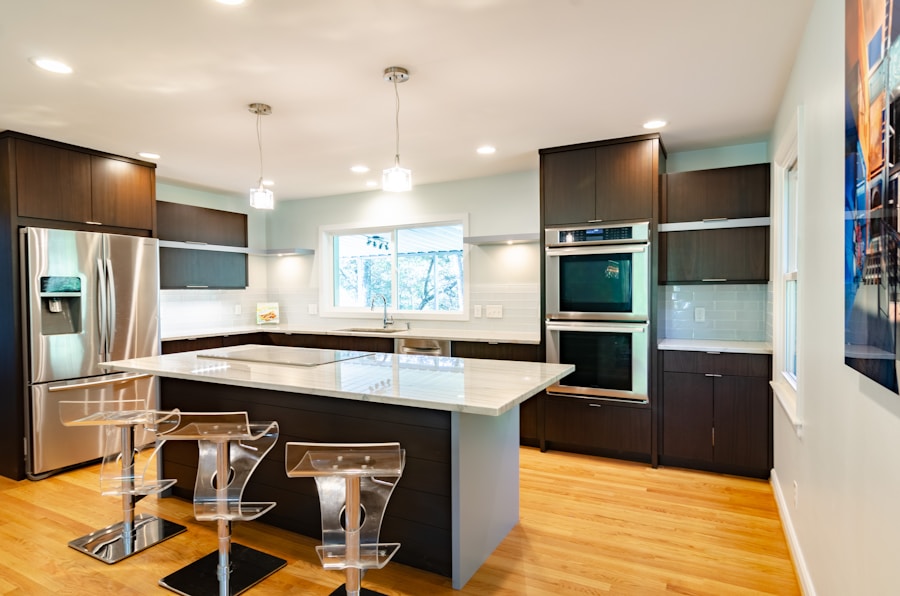
Selecting appropriate plumbing fixtures for your kitchen island is a critical aspect of both functionality and style. The choice of sink is particularly important; options range from single-basin sinks to double-basin models, each offering different advantages depending on your cooking and cleaning habits. For instance, a deep farmhouse sink can provide ample space for washing large pots and pans, while a smaller undermount sink may be more suitable for minimalist designs.
Additionally, consider the material of the sink—stainless steel is durable and easy to clean, while composite materials can offer a wider range of colors and finishes. Faucets are another key consideration when outfitting your kitchen island. A pull-down or pull-out faucet can enhance usability by providing flexibility when rinsing dishes or filling pots.
Look for features such as touchless activation or adjustable spray settings that can make daily tasks more convenient. Furthermore, ensure that the faucet’s height and reach are compatible with your chosen sink to prevent splashing and ensure ease of use. The aesthetic appeal of these fixtures should also align with your overall kitchen design; whether you prefer sleek modern lines or classic vintage styles, there are countless options available to suit your taste.
Hiring a Professional Plumber for Your Kitchen Island Installation
While some homeowners may feel confident tackling plumbing installations themselves, hiring a professional plumber is often the best course of action for kitchen island projects. A licensed plumber brings expertise and experience that can help navigate the complexities of plumbing systems, ensuring that all installations meet local codes and regulations. This is particularly important when dealing with water supply lines and drainage systems, as improper installation can lead to leaks or water damage down the line.
Moreover, professional plumbers can provide valuable insights during the planning phase. They can assess your existing plumbing infrastructure and recommend solutions that align with your vision for the kitchen island. For example, they may suggest alternative layouts that optimize water flow or identify potential issues with drainage that could arise from your chosen design.
By collaborating with a skilled plumber from the outset, you can avoid common pitfalls and ensure a smoother installation process.
Budgeting for Plumbing Costs in Your Kitchen Island Installation
Budgeting for plumbing costs associated with your kitchen island installation requires careful consideration of various factors. The overall cost will depend on several elements, including the complexity of the plumbing work required, the type of fixtures selected, and labor costs in your area. For instance, if extensive modifications to existing plumbing systems are necessary—such as rerouting pipes or installing new drainage lines—this can significantly increase expenses.
It is advisable to obtain multiple quotes from licensed plumbers to gain a clearer understanding of potential costs. In addition to labor costs, don’t forget to factor in the price of materials and fixtures. High-quality sinks and faucets can vary widely in price based on brand and features; investing in durable products may save money in the long run by reducing maintenance needs.
Additionally, consider any potential costs associated with permits or inspections required by local building authorities. By creating a comprehensive budget that accounts for all these variables, you can better prepare for the financial aspects of your kitchen island installation.
Ensuring Proper Ventilation for Your Kitchen Island Plumbing
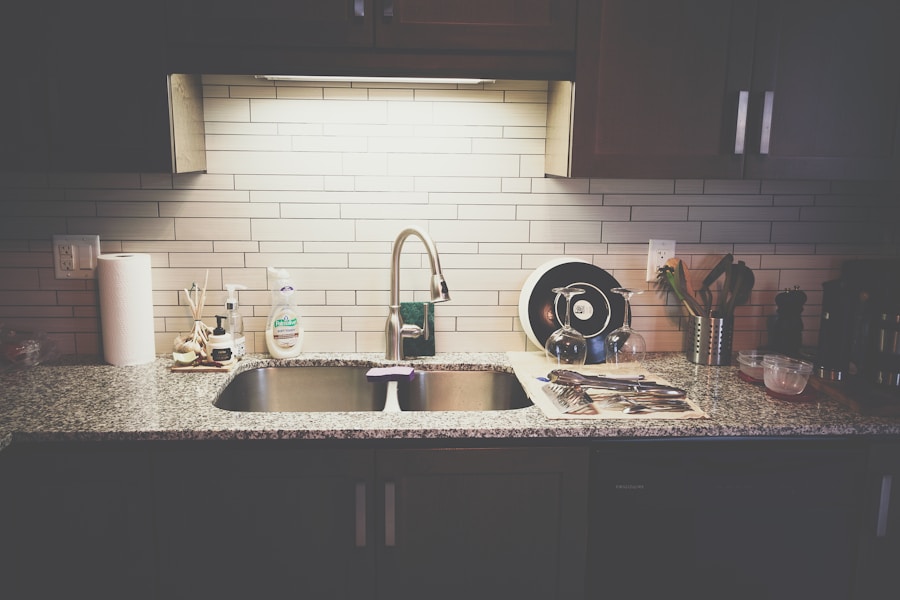
Proper ventilation is an often-overlooked aspect of kitchen island installations that can have significant implications for both safety and comfort. If your island includes a cooktop, adequate ventilation is essential to remove smoke, steam, and odors generated during cooking. This typically involves installing a range hood above the cooktop or incorporating a downdraft ventilation system that pulls air down through vents located in the cooktop itself.
The choice between these options will depend on your kitchen layout and personal preferences. In addition to cooking ventilation, consider how plumbing-related moisture will be managed within your kitchen space. Sinks can generate excess humidity if not properly ventilated, leading to mold growth or damage over time.
Installing exhaust fans or ensuring that windows can be opened during cooking can help mitigate these issues. Furthermore, if your kitchen island features any electrical components—such as lighting fixtures—ensuring proper ventilation around these areas is crucial to prevent overheating and maintain safety standards.
Considering Future Maintenance and Repairs for Your Kitchen Island Plumbing
When planning your kitchen island installation, it is essential to consider future maintenance and repair needs related to plumbing systems. Over time, plumbing fixtures may require servicing due to wear and tear; understanding how accessible these components are will make maintenance easier down the line. For example, if you install a sink with complex plumbing beneath the island, ensure that there is sufficient space for repairs without needing extensive disassembly.
Additionally, consider using high-quality materials that are less prone to issues such as corrosion or leaks. Stainless steel sinks and durable faucets often come with warranties that can provide peace of mind regarding their longevity. Regular maintenance practices—such as checking for leaks or cleaning aerators—can also prolong the life of your fixtures and prevent costly repairs in the future.
By proactively addressing maintenance considerations during installation planning, you can create a more sustainable kitchen environment.
Finalizing Your Kitchen Island Installation Plans with Plumbing in Mind
As you finalize your plans for installing a kitchen island, it is crucial to keep plumbing considerations at the forefront of your decision-making process. Review all aspects discussed previously—from assessing space and understanding plumbing requirements to selecting fixtures and budgeting for costs—to ensure that every detail aligns with your vision for the project. Collaborating closely with your chosen plumber during this phase can help clarify any remaining questions about installation logistics or potential challenges.
Additionally, consider how your kitchen island will function in everyday use once installed. Will it serve primarily as a cooking area, a gathering spot for family and friends, or both? This understanding will guide decisions about fixture placement and overall design elements that enhance usability while maintaining aesthetic appeal.
By taking a comprehensive approach that integrates plumbing considerations into every aspect of your kitchen island installation plans, you can create a functional and beautiful centerpiece for your home that meets both current needs and future expectations.
If you are considering a kitchen island installation in Brooklyn, you may also be interested in reading about maximizing space with clever remodeling techniques. This article offers valuable insights on how to make the most of your kitchen space while incorporating a new island. Check out the article here.
FAQs
What is a kitchen island?
A kitchen island is a freestanding countertop that is typically located in the center of a kitchen. It can be used for food preparation, dining, and storage.
Why is plumbing important when installing a kitchen island?
Plumbing is important when installing a kitchen island because it may require the installation of a sink, dishwasher, or other plumbing fixtures. Proper planning for plumbing is essential to ensure that the island is functional and meets the needs of the homeowner.
What are some considerations for plumbing when planning for a kitchen island installation?
When planning for plumbing in a kitchen island installation, it is important to consider the location of existing plumbing lines, the placement of the island in relation to these lines, and the necessary permits and regulations for plumbing work in the area.
What are some common plumbing fixtures that may be installed in a kitchen island?
Common plumbing fixtures that may be installed in a kitchen island include sinks, dishwashers, and beverage refrigerators. These fixtures can add functionality and convenience to the kitchen space.
Do I need a professional plumber for kitchen island installation?
It is recommended to hire a professional plumber for kitchen island installation, especially if it involves the installation of new plumbing lines or fixtures. A professional plumber can ensure that the plumbing work is done correctly and in compliance with local building codes and regulations.